One of the oldest and most fulfilling outdoor activities is fishing. For many fishermen, catching flounder is a unique experience. These flatfish are delicious to eat in addition to being enjoyable to catch. Their delicate white fillets are a global favorite. If you’ve ever wondered how to catch flounder? This article will guide you through everything you need to know, whether you are fishing for the first time or simply want to improve your fishing skills.
The basics will be covered first, including what flounder is, where to catch it, when to catch it, and the best ways to fish for it using both natural and artificial baits. The end point will provide you with a clear understanding of the most effective way to catch flounder in different situations. Let’s explore it:
What is Flounder?
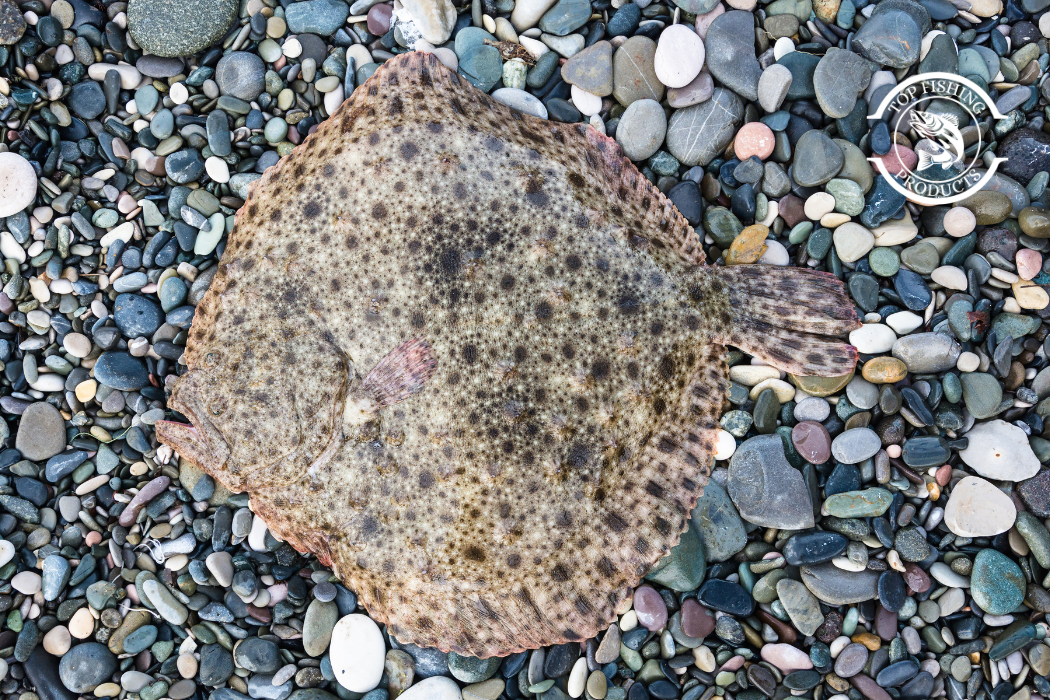
One fish that belongs to the flatfish family is the flounder. The flounder has both eyes on one side of its head, although other fish only have one eye on each side. It may sound strange, but it’s what keeps them alive. Flounder lives on the ocean floor, typically lying flat on sand or mud. They are almost invisible to other predators and prey because of the way their bodies are shaped to the ground.
When flounder are young, they have eyes on both sides and resemble other fish. One eye eventually moves to meet the other as it grows. They can compress and rest on the ocean surface in this way. They are perfect hunters since their skin often changes color to blend in with the environment.
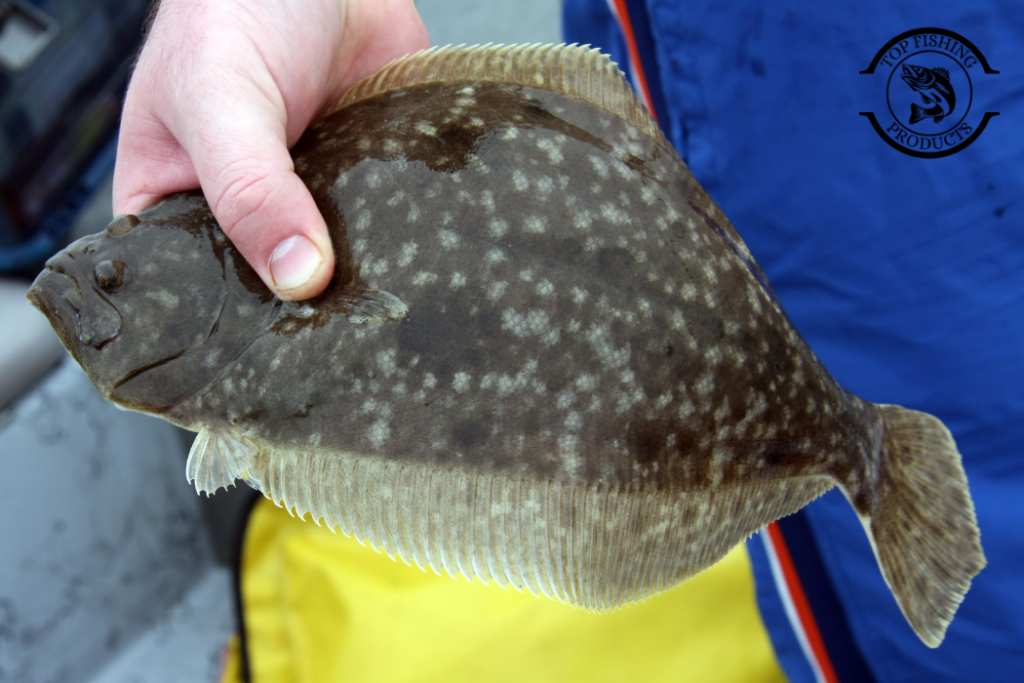
Around the world, flounder comes in a variety of ways. They may be known as southern flounder, summer flounder, or fluke in America. They behave in the same way regardless of the name. They wait for food to come by, dig into the sand, and then launch a quick attack. Their primary food sources are crabs, shrimp, and small fish.
Flounders are known as ambush predators because of their lifestyle. Similar to other fish, they do not hunt prey. Instead, they wait silently for something to pass by. And they quickly swallow it with a snap of their large lips.
Where to Catch Flounder
The first and most important step in learning how to catch flounder is understanding where to look for them. You will not discover flounder in the upper water because they occupy a depth close to the bottom. They prefer bottoms that are muddy or sandy so they may hide and cover themselves.
Here are some of the best places to find flounder:
1. Beaches and Surf Zones
Flounder usually stay close to the beach. When surf fishing, they can be captured. They favor the beach’s troughs, where waves create little sand valleys. Hungry flounder love to eat bait fish.
2. Inlets and Passes
Flounders are found in the oceans and rivers. Whenever you see any ocean, you’ll find flounders there for sure. Flounder love these kinds of places. They attack shrimp and small fish swimming by hiding near rocks, ledges, or sandy bottoms.
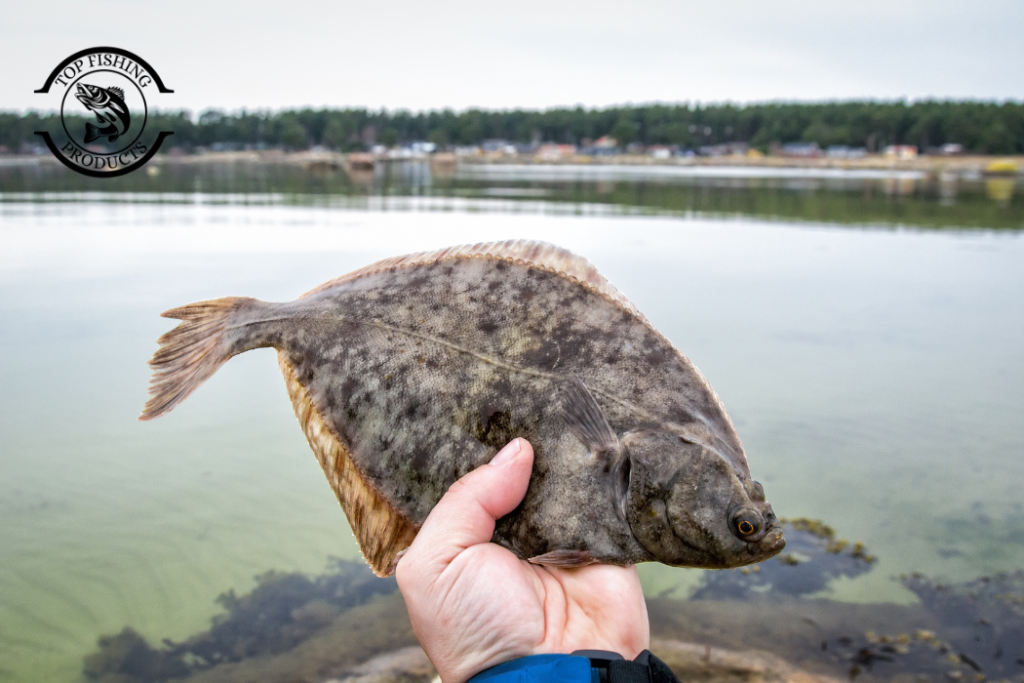
3. Docks and Bridges
Flounder can be caught in man-made structures. These structures attract little fish and provide shade. Flounder usually stay just off the side of the building, resting their faces in the middle of the sand.
4. Bays and Estuaries
Flounder prefer soft-bottomed and shallow water. Coastal areas and beaches are filled with life and provide a wealth of food. These places are home to mud fish, crabs, and shrimp, making them perfect flounder hunting grounds.
5. Wrecks and Jetties
Additionally, flounder gather around both natural and artificial beaches. They may be off to the side, where structure meets sand, rather than directly above the rocks. Space and safety make this the ideal location for a flounder.
The way flounder live should always be taken into account when fishing for them. They would rather stay hidden but close to food. Fishing the edges of structures and sand bottoms with steady water movement is therefore the most effective strategy.
Best Time to Catch Flounder
Knowing when to catch flounder is another essential skill. There are better seasons and times to catch flounder, even though they are available all year round in some areas. Let’s look into them:
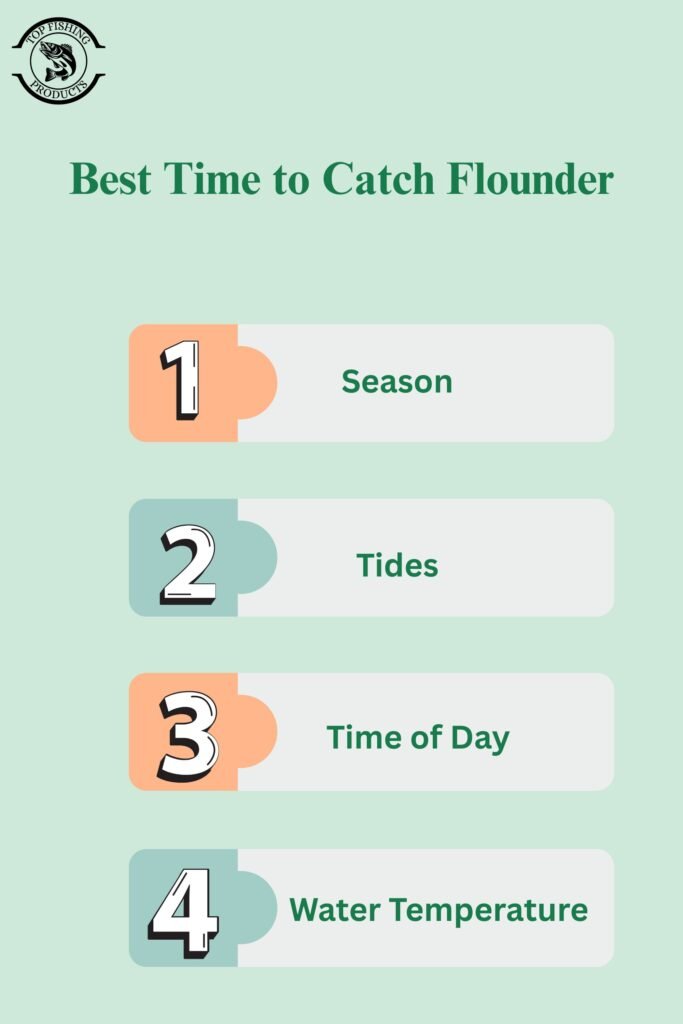
1. Season
Flounder are more active in the spring and fall in most places. They go from shallow to deep water at this time. They feed actively during migration to obtain energy. The best flounder catches are typically said to occur in late spring and early autumn.
2. Tides
Flounder fishing is significantly impacted by the tide. Food is carried by currents, and flounder get the chance to eat. In general, an outgoing tide is preferable. Bait fish and tiny shrimp are washed out when water drains from flats and creeks. They are attacked by flounder that are waiting at the edge.
3. Time of Day
In low light, flounder are more active. The best times to fish are in the early morning and late afternoon. They may be bitten all day long on rainy days. They have been observed feeding at night in shallows, especially near pier or dock lights.
4. Water Temperature
The ideal water temperature for flounder is medium. They will go deeper if the water gets too hot or too cold. Find them in shallow water at night and a little deeper during the day during the warmer months.
As a result, the best time to catch flounder is during an outgoing tide in the spring or fall, either in the early morning or late afternoon. However, if you are focused and choose the proper bait and location, you can catch them at other times.
Basic Method to Catch Flounder (Step-by-Step Detail)
Now that you know what flounder are, where to find them, and when to catch them, let’s move on to learning how to catch them. Your bait or lure must stay near the ocean floor since flounder are bottom feeders. You will miss them if you fish too high.
Tackle and Gear
To flounder, you don’t need a very heavy tackle. It is best to use a medium spinning rod with a braided line spooled on a reel weighing 15 to 20 pounds. Since flounder typically take the bait gently before finishing it, the rod needs to be sensitive enough to detect bites.
You may need a stronger rod and an orthodox reel if you plan to fish in deeper and more turbulent water. Longer rods are also necessary for surf fishing because they must be thrown far out into the waves.
Rigs
The Carolina rig is the one that is most commonly used to catch flounder. It has a leader, a hook, a swinging handle, and a sliding sinker. The leader allows the bait to drift freely while the sinker keeps it near the bottom. The high/low rig, which lets you present two baits at different depths, is another efficient arrangement.
Baits
Flounder love natural bait. Some of the best include:
- Live minnows (mud minnows or finger mullet)
- Shrimp (live or dead)
- Squid strips
- Small pieces of cut fish
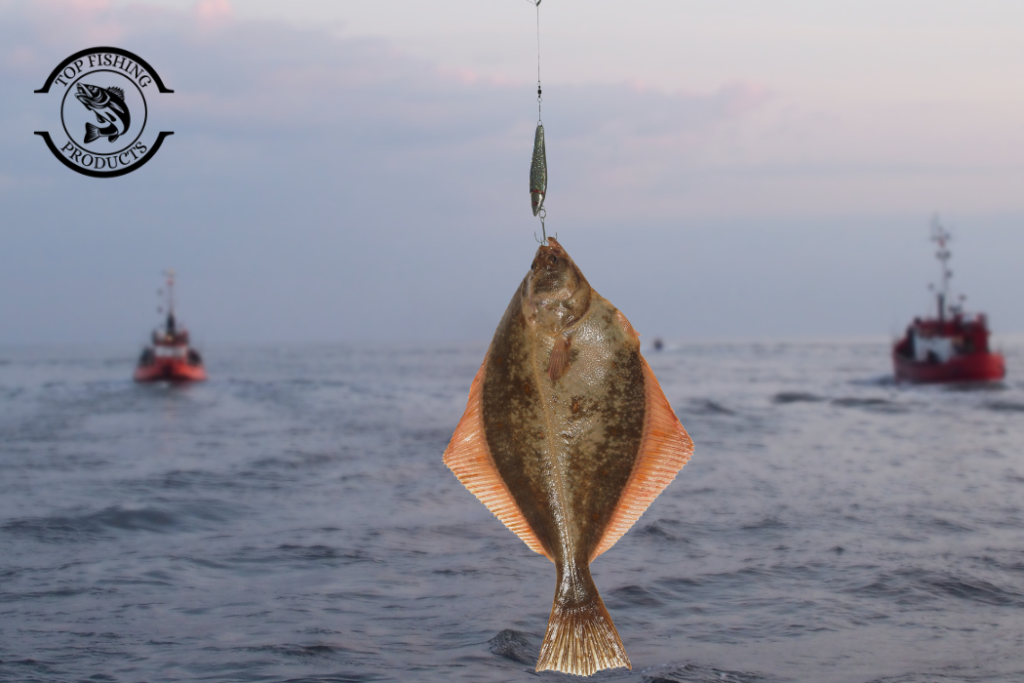
When using bait, always make sure it stays close to the bottom. If you are drifting from a boat, use just enough weight so the sinker bounces gently on the seabed.
Technique
Flounder won’t always strike with such force. They frequently just hold the bait in their mouth for a little period of time. Hold on for a brief moment before hook setup if you feel a slight pull or pressure. The flounder can now swallow as a result. Pull firmly but not too forcefully now. It’s important to be patient. Let the fish find you, move gently, and keep the bait on the bottom.
How to Catch Flounder with Artificial Bait
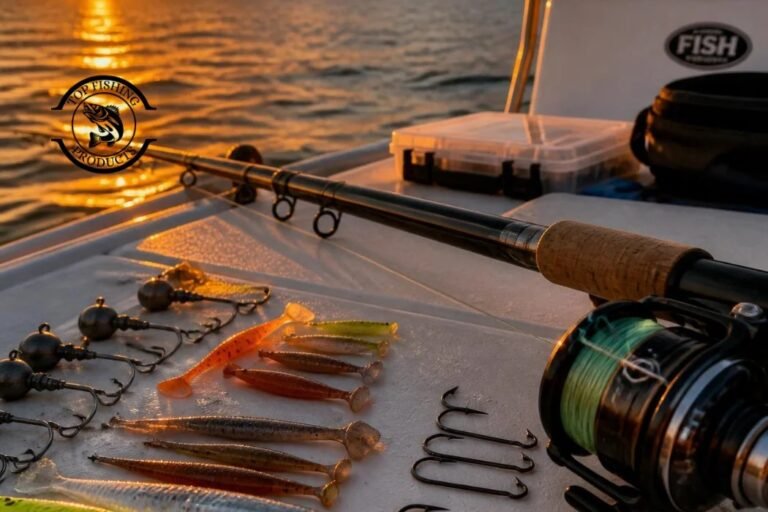
Many anglers want to know if flounder can be caught with artificial bait or not. And the answer is yes, you can easily catch a founder by using the best lures. One of the most important things is the jig that we use during fishing.
The basic definition of a jig is a weighted hook that can be used to hold a piece of bait. Works perfectly because it can be bounced with the bottom. You can easily attach a shrimp or worm to catch the fish.
Here’s how to catch flounder with artificial bait:
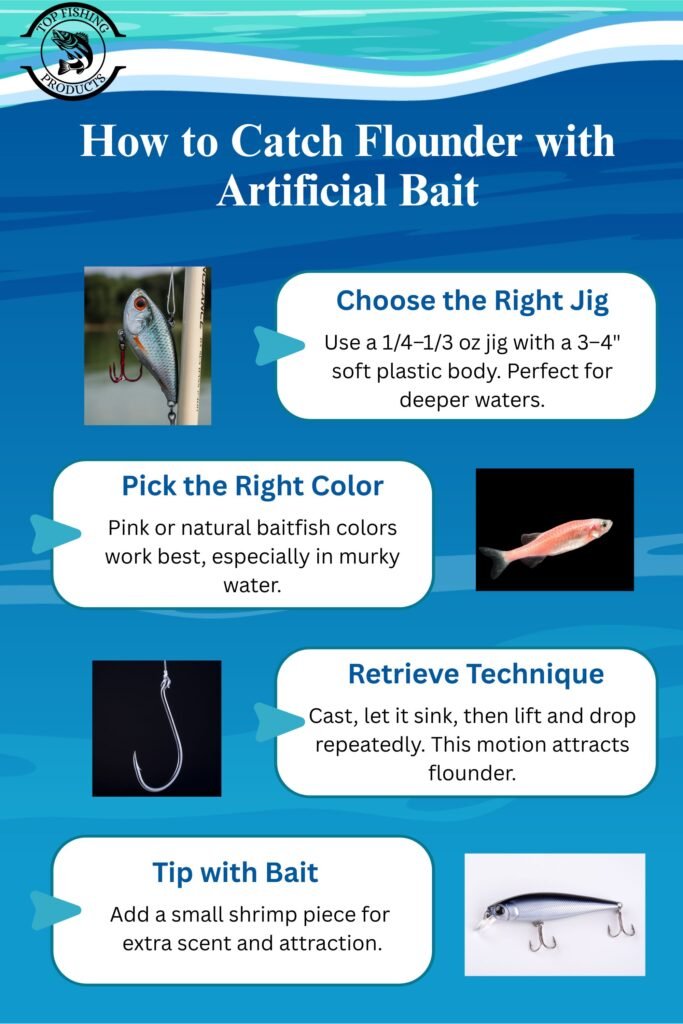
1. Choose the Right Jig
In deep water, use a 1/4 to 1/3 ounce jig. It must have a 3-4-inch soft plastic body along it. In deep water, it will help you catch heavier fish like up to 2 to 3 ounces.
2. Colors
I lot of people must be thinking about why colour matters a lot. Our answer is pink or natural baitfish colour works better, especially in murky water.
3. Retrieve
Cast the jig out and let it sink to the bottom of the water. Then lift gently and drop it again in the water. You can repeat the process until you get a fish. Because of this up-and-down motion, you can easily alert fish to come.
4. Tip with Bait
For extra attraction, you can add a small piece of shrimp to the jig. The Saint will attract the flounder, and it will come closer to the bait. Artificial baits are more effective than you are covering large areas. They also give you the freedom to carry live bait. Once you master the jigging technique, you can catch flounder from anywhere easily.
Best Resources for Catching Flounder
So, what is the best way to catch flounder? The truth is, it depends on where you are fishing and what resources you have. But we can sum it up simply:
- If you have bait like worms, shrimp, or a piece of bread to lure the flounder, then use a Carolina rig. Start by slowly drifting near the bottom.
- If you want something easy, then you need to try jigs. It should be tipped with squid or soft plastic that will help you carry heavy flounders.
- For fishing, you need a bobber if you can’t judge. It’s not compulsory one you can add it as an option.
No matter which method you choose, the secret is always the same: keep your bait near the bottom, move it slowly, and be patient.
Extra Tips for Success
Watch the Current: Flounder face into the current, waiting for food. Always present your bait moving with the flow.
Use Light Tackle When Possible: Flounder bites can be gentle. Sensitive rods help you feel them.
Stay Mobile: If you don’t get bites after 15–20 minutes, move to a new spot. Flounder are often grouped in certain areas.
Handle with Care: Flounders have sharp teeth and slippery bodies. Use a net to land them safely.
Check Local Regulations: Many areas have size and bag limits for flounder. Always follow the rules.
Final Thoughts
Learning how to catch flounder is an amazing journey for anglers. You can use the techniques that we have mentioned above can lead you in the right way to understand flounder catching. We have provided all the details like what flounder are, where to catch them, and what’s the best time to fish for, providing the key knowledge.
Having a good understanding of flounder can make your catching experience better day by day. Whether you use a natural bait or an artificial bait, learning how to catch flounder is important. And the secret is patience, start dipping your fishing rod in deep water. You also need to be focused on the bobber.
Frequently Asked Questions:
What is the easiest bait for beginners to use when catching flounder?
The easiest bait for beginners is live shrimp. Flounder naturally feed on shrimp, making it a reliable option. You can hook the shrimp through the tail and let it move naturally near the bottom.
Can you catch flounder from the shore?
Yes, you can. Beaches, surf zones, and shallow estuaries are excellent shore fishing spots. Cast near troughs or sandy bottoms where small baitfish gather, and keep your bait close to the ground.
Do flounder bite during the winter months?
Flounder can still be caught in winter, but they usually move into deeper waters where the temperature is more stable. Fishing offshore or in deeper channels is more effective during colder months.
How do I know if I’ve hooked a flounder?
Flounder bites are often very gentle, feeling more like weight or pressure than a sharp tug. Wait a moment before setting the hook to ensure the fish has fully taken the bait.
What size hook should I use for flounder?
A size 2/0 to 3/0 circle or kahle hook works best. These hooks are strong enough to hold the fish but small enough to fit in their mouths without scaring them off.