If you have ever lost a big catfish because your hook bent open or slipped out, you already know that hook choice matters just as much as bait choice. Catfish are strong, they fight dirty, and they will find every weakness in your gear. Choosing the best catfish hooks for your situation is not about buying the most expensive option at the store. It is about matching hook style, size, and strength to the water you fish, the catfish size you are after, and the bait you plan to use.
This guide breaks down every major hook style used for catfish, explains when each one shines, and helps you avoid the common sizing and strength mistakes that cost anglers fish every season.
Why Hook Choice Matters So Much for Catfish
Catfish do not bite like bass or panfish. They often mouth the bait, move with it, and swallow it slowly before you ever feel a solid thump. Because of this feeding behavior, the wrong hook style can result in deep hooking, missed sets, or straightened hooks on big fish. Meanwhile, the right hook works with the catfish’s feeding pattern instead of against it.
For example, a hook designed for quick, aggressive strikes will not perform the same way on a catfish that slowly inhales a chunk of cut bait. As a result, understanding how each hook style behaves underwater is the real key to consistent hookups.
Circle Hooks: The Go-To Choice for Most Catfish Anglers
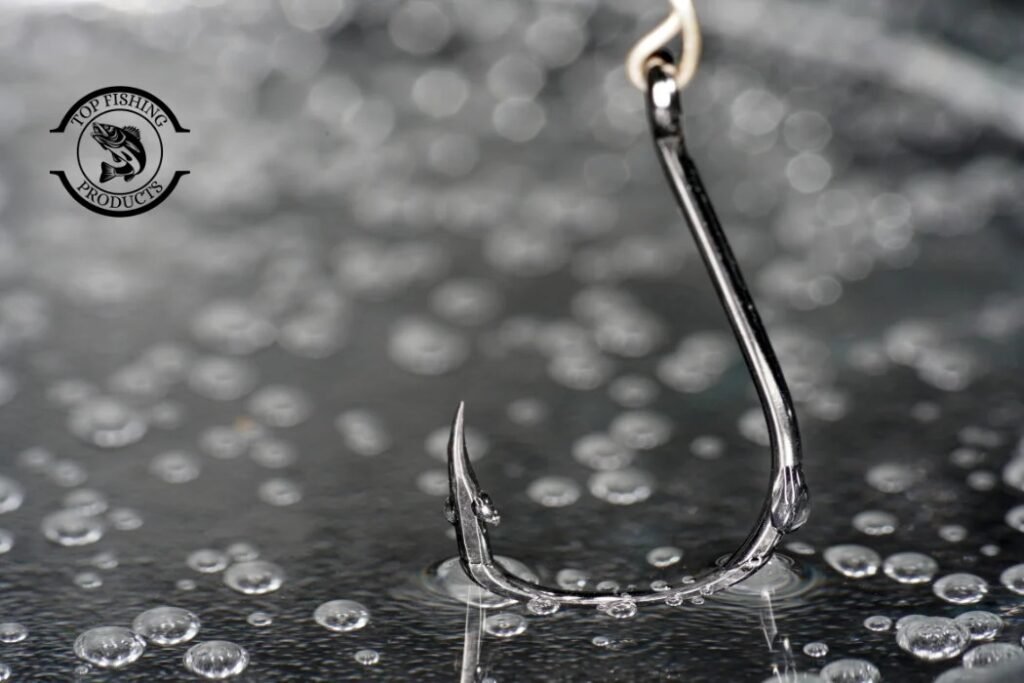
Circle hooks have become the standard recommendation for catfish fishing, and for good reason. The curved point is designed to slide along the inside of a fish’s mouth and catch in the corner of the jaw as the fish turns away with the bait. This means fewer gut-hooked fish and higher survival rates for catch-and-release anglers.
Circle hooks work especially well for anglers who fish with rods in holders or use bite alarms, since the hook essentially sets itself when the fish swims off. However, one common mistake is trying to set the hook with a hard, traditional hookset. Doing this often pulls the hook right out of the fish’s mouth. Instead, simply reel down and lift steadily once you feel the weight.
This hook style pairs well with cut bait, live bait, and dip baits fished on a slip sinker rig. Many experienced catfish anglers consider a quality circle hook the best catfish hook for beginners because it forgives timing mistakes on the hookset.
J Hooks: Traditional and Still Effective
J hooks are the classic hook shape most anglers grew up using. They have a straight shank and a curved bend that requires an active hookset when you feel a bite. This gives you more control over the timing of your hookset compared to circle hooks.
On the other hand, J hooks carry a higher risk of deep hooking if a catfish swallows the bait before you notice the bite. This makes them a better fit for anglers who watch their rod tips closely or fish actively rather than leaving rods unattended for long periods.
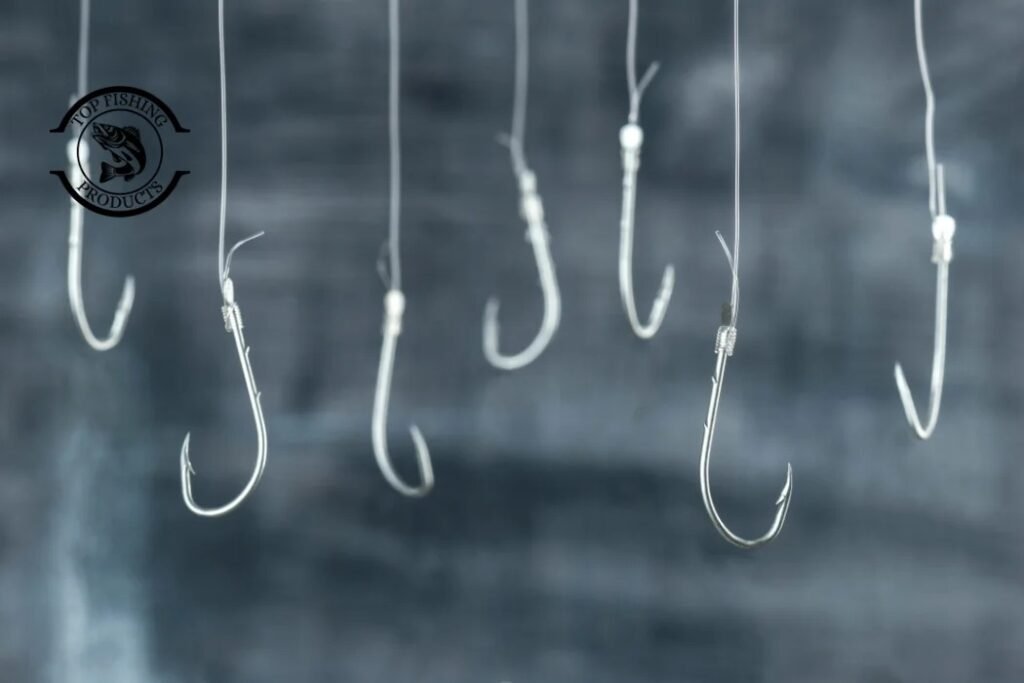
J hooks tend to perform well in situations where fast hooksets matter, such as fishing near cover, where a hooked catfish might immediately try to bury itself in structure. In addition, they are widely available in a huge range of sizes, making them versatile for everything from small channel cats to larger flatheads.
Kahle Hooks: Wide Gap Power for Bigger Baits
Kahle hooks have a wide, flattened bend that gives them excellent hook-setting power. The wide gap allows the point to catch fish quickly, similar to a circle hook, but with a shape that some anglers find sets more reliably on light hooksets.
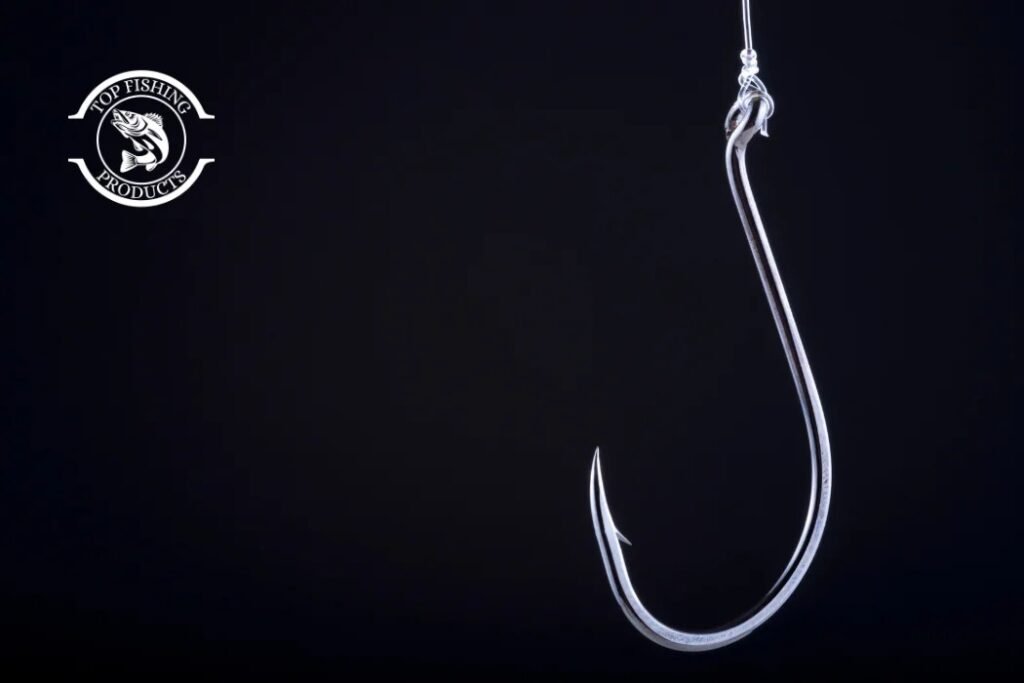
This hook style shines when fishing larger cut bait or whole baitfish, since the wide gap accommodates bigger bait without the hook point burying into the meat. Kahle hooks are popular among catfish anglers targeting big flatheads and blue catfish that require serious hook-holding strength.
However, Kahle hooks can occasionally cause more tissue damage than a true circle hook, so anglers focused strictly on catch-and-release sometimes lean toward circles instead. Still, for anglers targeting trophy-class fish where losing a hookset is not an option, Kahle hooks remain a trusted choice.
Treble Hooks: A Situational Tool, Not an All-Around Choice
Treble hooks show up in catfish tackle boxes mostly for dip bait and punch bait fishing, where a treble hook holds thick, sticky bait far better than a single hook point. The three points also increase the odds of a solid hookset when a catfish inhales a small dough or blood bait offering.
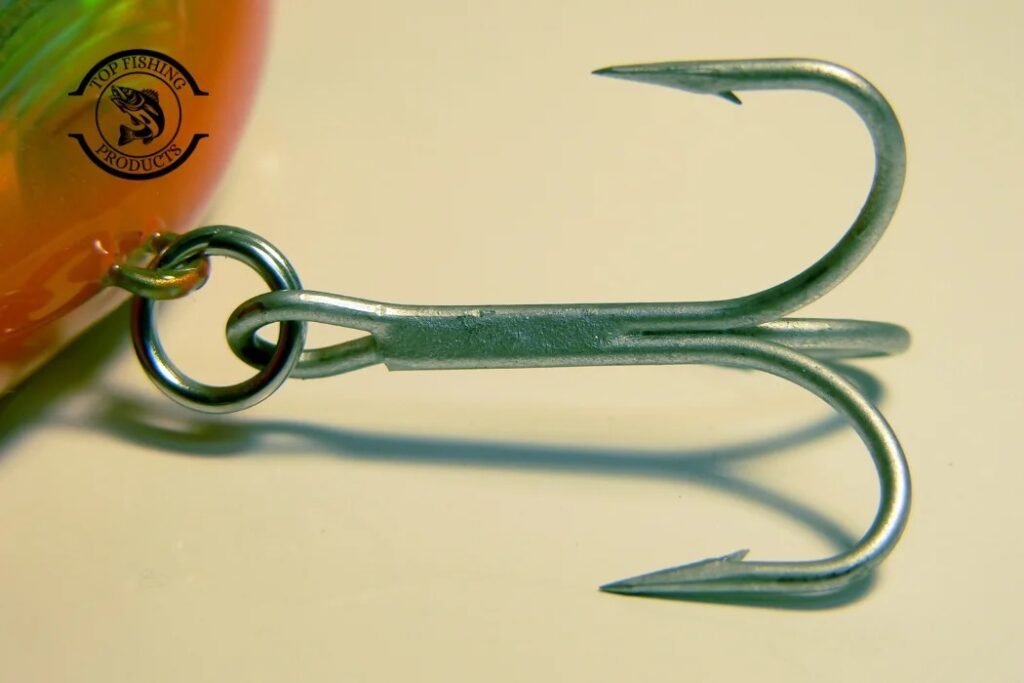
That said, treble hooks are not ideal for cut bait, live bait, or situations where deep hooking and fish safety are concerns. They also tend to snag more on rocky or brushy bottoms. For this reason, most anglers reserve treble hooks specifically for prepared bait fishing rather than using them as a general catfish hook.
Octopus Hooks: Compact and Versatile for Smaller Baits
Octopus hooks feature a short shank and a rounded bend, making them a great match for smaller cut bait pieces, nightcrawlers, or minnows. Their compact shape allows the hook to sit naturally within smaller baits without overpowering the presentation.
This hook style works especially well for channel catfish, which often prefer smaller, more finesse-oriented offerings compared to the larger baits blue catfish and flatheads go after. In addition, octopus hooks are known for excellent hook-setting ability due to their sharp point angle.
Anglers targeting numbers of eating-size channel cats often find octopus hooks strike a nice balance between finesse and hook-holding strength.
Offset Hooks: Better Bait Presentation and Hookup Ratios
Offset hooks have a shank that bends slightly to one side rather than staying perfectly straight. This design helps keep bait positioned naturally and can improve hookup ratios by aligning the hook point for a better bite.
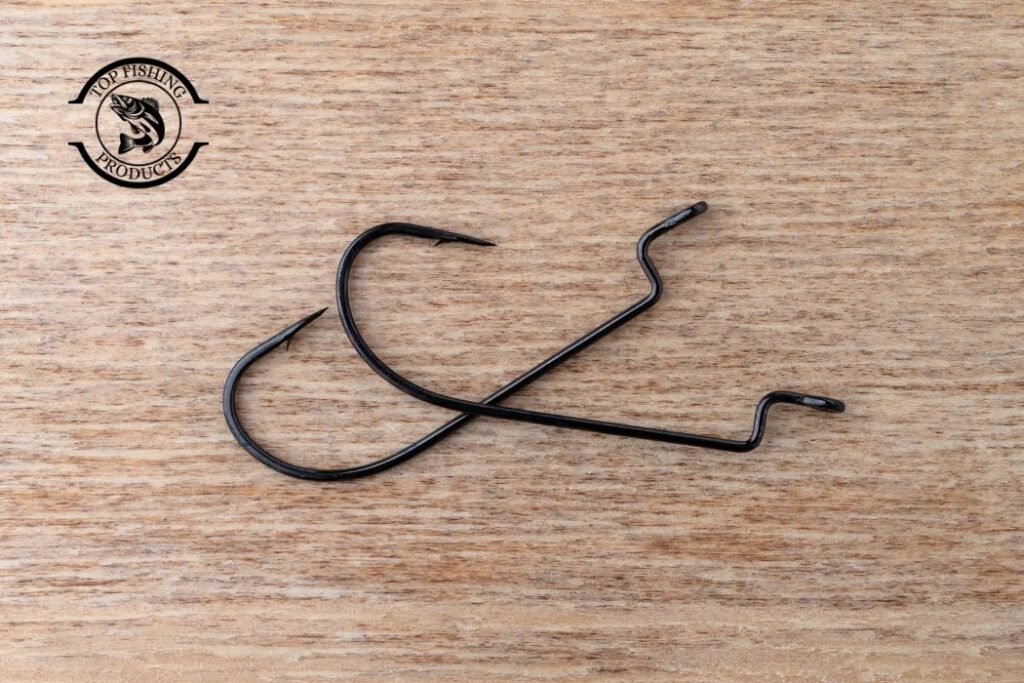
Offset shanks are commonly found on both circle hooks and J hooks, so this is more of a design feature than a completely separate hook category. Still, it is worth understanding, since an offset circle hook, for example, may set slightly differently than a standard inline circle hook.
For anglers fishing cut bait on a slip rig, an offset circle hook is often considered one of the more reliable combinations available.
Standard Hooks: Simple and Reliable
Sometimes referred to as “standard” or “bait holder” hooks, these feature small barbs along the shank designed to keep soft bait, like nightcrawlers or chicken liver, from sliding off. They are straightforward, inexpensive, and effective for casual catfish trips where finesse is not the top priority.
Standard hooks are a solid entry point for beginners or for anglers introducing kids to catfishing, since they are easy to bait and forgiving in terms of technique.
Hook Strength for Catfish: Why It Matters More Than Size
Hook strength refers to the thickness and quality of the wire used to make the hook. This factor becomes critical once you start targeting larger catfish species like blue catfish and flatheads, which can weigh well over 30 pounds in many waters.
A thin-wire hook designed for panfish will bend open or straighten under the pressure of a big blue cat pulling drag. Therefore, catfish-specific hooks are typically forged from thicker, high-carbon steel designed to handle heavy strain without deforming.
Here is a simple breakdown to help match hook strength to your target fish:
| Target Catfish Size | Recommended Hook Strength | Common Species |
| Under 5 lbs | Light to medium wire | Small channel cats, bullheads |
| 5–20 lbs | Medium to heavy wire | Average channel cats, small blues |
| 20+ lbs | Extra heavy wire, forged steel | Trophy blues, flatheads |
If you regularly lose fish to straightened hooks, this is often the first thing to upgrade before blaming your line or knot.
Fishing Hook Sizes: Matching Hook to Bait and Fish
Hook sizing confuses a lot of beginner catfish anglers because sizing runs backward. Smaller numbers mean bigger hooks, and once you pass size 1, sizes move into the 1/0, 2/0, 3/0 range and continue increasing from there.
For catfish, most anglers find success within these general ranges:
- Sizes 1 to 4: Small channel cats and bullheads using worms or small cut bait
- Sizes 1/0 to 3/0: General-purpose channel cat fishing with cut bait or chicken liver
- Sizes 4/0 to 6/0: Larger channel cats and smaller blue catfish use bigger cut bait
- Sizes 7/0 to 10/0: Trophy blue catfish and flathead catfish using large cut bait or live bait
However, these ranges are not rigid rules. Water clarity, catfish population size, and local forage all influence what works best. For example, a lake known for producing trophy blues will typically demand larger hooks than a small pond stocked mainly with channel cats.
Common Mistakes Anglers Make When Choosing Catfish Hooks
Even experienced anglers fall into a few predictable traps when selecting hooks.
Using hooks that are too small for the bait. A hook buried too deep inside a large chunk of cut bait struggles to find purchase in a fish’s mouth. This often results in missed hooksets even when bites are aggressive.
Ignoring hook strength for big water. Anglers moving from small ponds to big rivers or reservoirs sometimes keep using the same light-wire hooks that worked fine on smaller fish. As a result, they lose gear to bigger catfish that easily bend out thinner hooks.
Setting circle hooks like J hooks. This remains one of the most common mistakes among anglers new to circle hooks. Instead of a hard hookset, a smooth, steady lift works far better.
Overlooking hook sharpness. Even the best catfish hook design will underperform if the point is dull. Catfish have tough mouths, so a sharp point genuinely matters. Touching up hooks with a small file before a trip, or simply replacing them after several uses, keeps hookup ratios high.
Matching Hooks to Bait Type
Bait choice and hook choice work together, not separately.
- Cut bait: Circle hooks or Kahle hooks in the 4/0 to 8/0 range typically perform best, since these styles handle bigger, chunkier bait well.
- Live bait (minnows, bluegill): Octopus hooks or standard J hooks in smaller to mid-range sizes allow the bait to swim naturally while still offering strong hook-setting ability.
- Dip bait and punch bait: Treble hooks or specialized dip bait hooks hold sticky bait far more effectively than single-point hooks.
- Nightcrawlers and chicken liver: Standard bait holder hooks or small octopus hooks work well, since the barbs along the shank keep soft bait from sliding off during casts.
Frequently Asked Questions
What is the best all-around catfish hook for beginners?
A circle hook in the 4/0 to 6/0 range paired with cut bait offers a forgiving setup that works across most catfish situations and reduces deep hooking.
Do I need different hooks for blue catfish versus channel catfish?
Generally, yes. Blue catfish tend to grow much larger and require heavier wire hooks in bigger sizes, while channel catfish often respond better to smaller, finesse-style hooks like octopus hooks.
Are circle hooks required by law in some areas?
Some states and specific bodies of water do require circle hooks for catfish, particularly in tournament settings or catch-and-release fisheries. It is worth checking local regulations before your trip.
How often should I replace catfish hooks?
Replace hooks whenever the point feels dull to the touch, shows visible rust, or after landing several fish, since repeated use wears down the point even on quality hooks.
Final Verdict
There is no single hook that works perfectly in every catfish situation, but understanding how each style behaves makes the decision much easier. Circle hooks remain the most versatile and forgiving option for the majority of catfish anglers, especially those fishing cut bait on rods left in holders. Kahle hooks step in nicely for bigger baits and trophy-class fish, while octopus and standard hooks handle smaller presentations well.
Ultimately, the best catfish hooks are the ones matched correctly to your bait, your target species, and the size of fish you expect to encounter. Pay attention to hook strength on bigger water, keep your points sharp, and adjust your hookset technique to match the hook style you are using. Get those details right, and you will land far more of the catfish you hook instead of losing them boat-side.