Walking into a tackle shop for the first time can feel overwhelming. With rows of fishing rods, countless lures, and shelves full of accessories, it’s easy to wonder where to start. The good news is that fishing supplies for beginners don’t have to be complicated or expensive. A few essential pieces of gear are all you need to start fishing with confidence. In this guide, you’ll learn which supplies are worth buying, which ones you can skip, and how to build a beginner-friendly setup that grows with your skills.
What Do Beginners Need for Fishing?
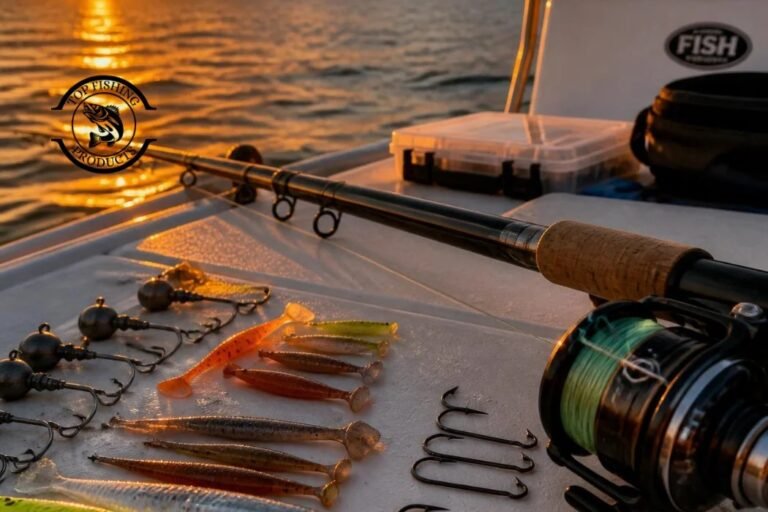
At its core, fishing requires far less gear than most stores would have you believe. A rod, a reel, some line, a handful of hooks, a few weights, and bait or lures will cover almost any beginner situation. Everything else is a refinement, not a requirement.
However, the specific items you choose still matter. A rod that’s too stiff, line that’s too thick, or hooks that are the wrong size can make an already tricky learning curve even harder. So while the list is short, the choices within that list deserve some thought.
Here’s the essential starter list:
- A rod and reel combo
- Fishing line
- Hooks in a few common sizes
- Weights or sinkers
- Bobbers or floats
- A small tackle box
- Bait or a basic lure selection
- Pliers or a hook removal tool
- A fishing license (required in most places)
Each piece of equipment serves a specific purpose, and knowing what it does helps you choose the right gear without spending money on things you don’t actually need.
Best Fishing Poles for Beginners
The rod and reel combo is the single most important purchase you’ll make, and it’s also where beginners tend to overspend or underspend. Neither extreme works well.
A medium-power, medium-action spinning rod paired with a spinning reel is the standard recommendation for good reason. Spinning setups are far more forgiving than baitcasting reels, which require practice to avoid tangled lines, known as a “bird’s nest.” A spinning reel, on the other hand, lets you cast with minimal instruction and still get reasonably accurate results on your first try.
Rod length matters too. A 6 to 7-foot rod offers a solid balance between casting distance and control, especially from shore or a dock. Shorter rods are easier to handle in tight spaces, while longer rods cast farther but are trickier for beginners to manage.
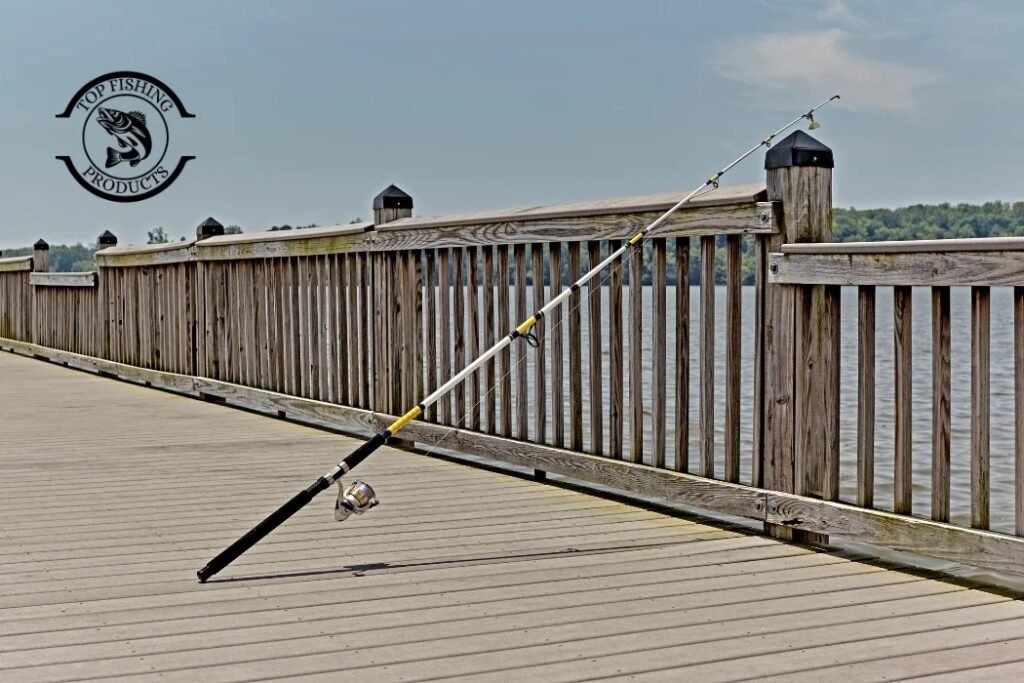
For reels, look for a 2000 to 3000 size reel if you’re targeting panfish, trout, or bass in freshwater. This size range handles light to medium lines well and won’t feel bulky in your hands. Similarly, a reel with a smooth drag system is worth prioritizing over one with extra features you won’t use yet. Drag controls how much resistance a fish feels when it pulls line, and a jerky drag can snap your line or lose you a fish that was otherwise hooked well.
As a result, many experienced anglers recommend combo kits for first-time buyers. These pair a rod and reel that are already matched in weight and action, removing the guesswork of building a setup piece by piece. Combo kits in the $40 to $80 range typically offer enough quality to learn on without falling apart after a few trips.
Common Rod-Buying Mistakes
Beginners often make one of two mistakes: buying the cheapest possible combo, which can snap or wear out quickly, or buying an advanced setup meant for experienced anglers, which introduces unnecessary complexity. On the other hand, a mid-range combo built for beginners strikes the right balance between durability and ease of use.
Fishing Line: The Detail Beginners Overlook
Line choice doesn’t get much attention in casual conversations about gear, but it directly affects how often you’ll get bites and how many fish you’ll actually land.
Monofilament line is the standard recommendation for beginners. It’s affordable, stretches slightly to absorb sudden pulls, and is far more forgiving of casting mistakes than braided lines. For most freshwater beginner setups, a 6 to 10-pound test monofilament line covers the vast majority of situations, from panfish to average-sized bass.
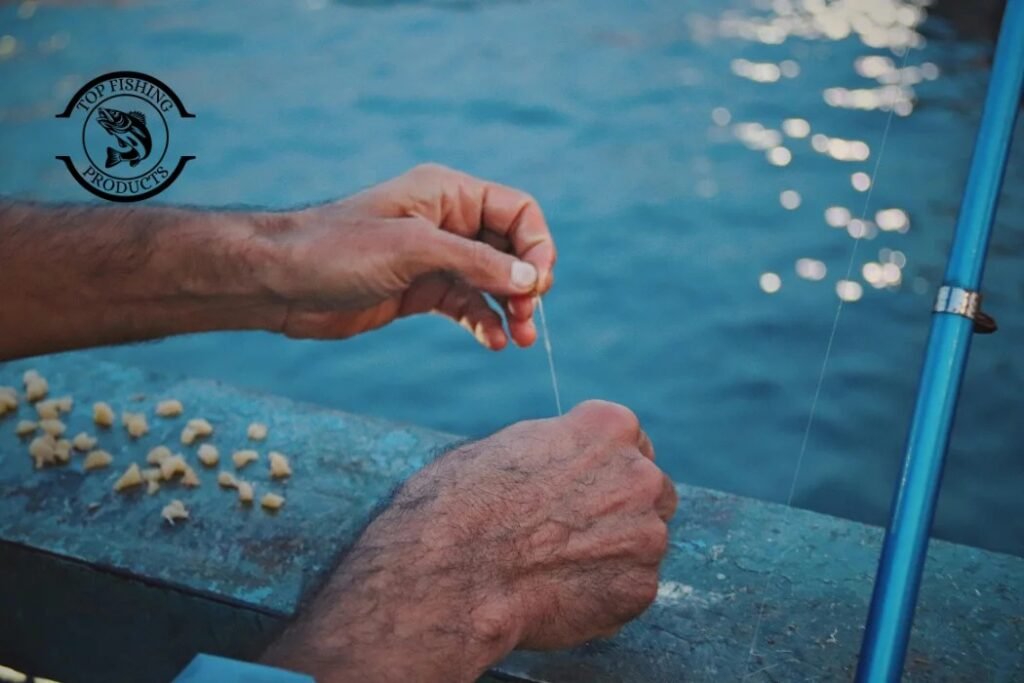
A braided line, in comparison, offers more sensitivity and strength, but it has almost no stretch. This means a hard hookset with braided line can tear the hook right out of a fish’s mouth if you’re not used to handling it. Therefore, a braided line is better saved for later once you’ve developed a feel for how much force to apply.
Fluorocarbon line is another option you’ll see mentioned, mainly because it’s less visible underwater. However, it’s stiffer and pricier than monofilament, making it a better second-stage upgrade than a starting point.
What Are Some Essentials for Fishing? Terminal Tackle Explained
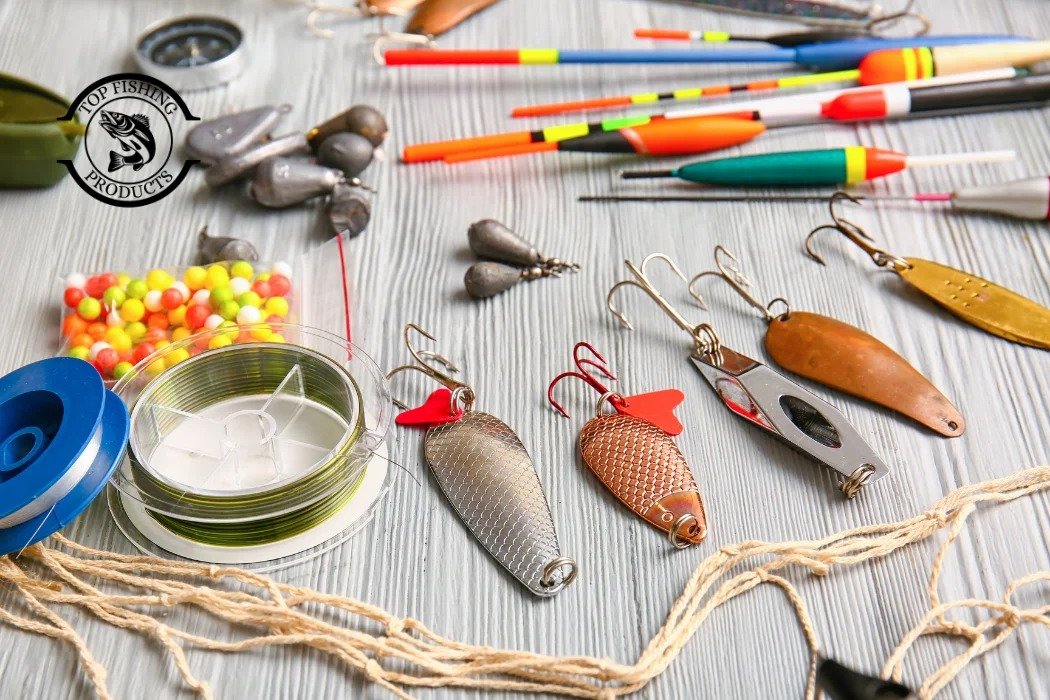
“Terminal tackle” refers to everything attached to the end of your line: hooks, weights, swivels, and bobbers. These small items don’t get as much attention as rods and reels, but they matter just as much for actually catching fish.
Hooks
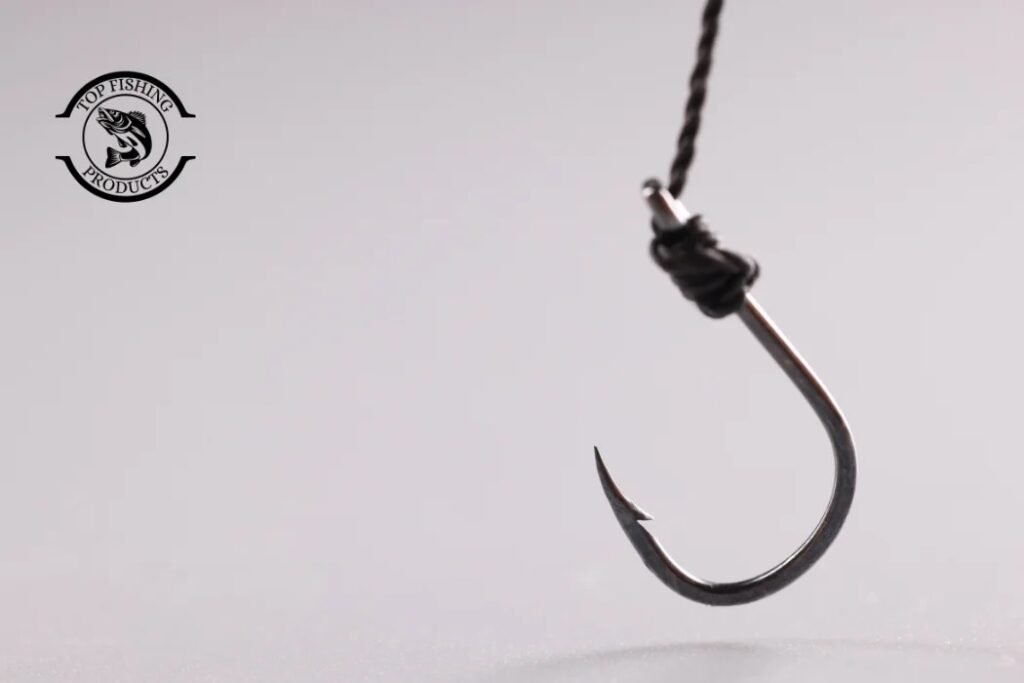
Hook size is measured on a scale where smaller numbers mean larger hooks, and the scale reverses once you cross into the “aught” sizes (written as 1/0, 2/0, and so on). For most beginner freshwater fishing, sizes 6 through 10 cover panfish, small bass, and trout comfortably. A small assorted pack covering this range means you won’t need to guess before every trip.
Weights and Sinkers
Weights help your bait sink and stay in the strike zone instead of floating uselessly on the surface. Split-shot weights are ideal for beginners because they clamp directly onto the line without tying knots, and they’re easy to adjust or remove.
Bobbers
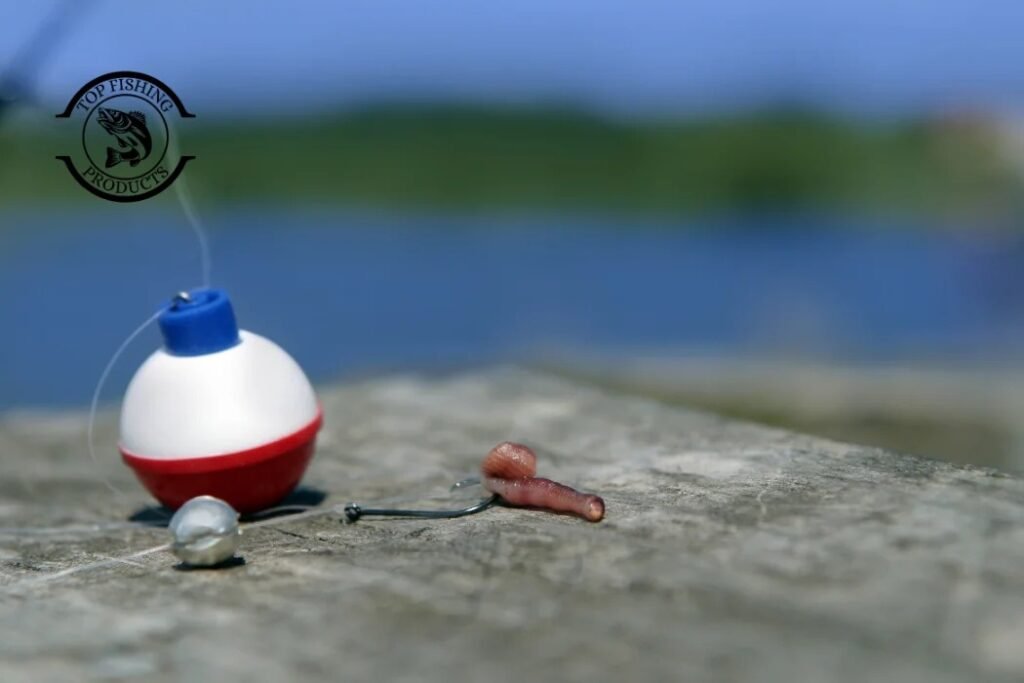
A bobber serves two purposes: it suspends your bait at a chosen depth, and it visually signals when a fish bites. For beginners, this second function is arguably more valuable than the first, since watching a bobber dip below the surface is one of the clearest, most satisfying indicators that something’s happening beneath the water.
Swivels
Swivels prevent your line from twisting, particularly when using lures that spin or when live bait wriggles around. While not always necessary for the simplest setups, adding a swivel is an easy way to reduce line problems over time.
Bait and Lures: Where to Start
New anglers often assume they need to master lure selection immediately, but live bait remains one of the most effective and beginner-friendly options available.
Worms, particularly nightcrawlers, work well for a wide range of freshwater species and require no special technique beyond hooking them properly. Minnows are another strong option, especially for anyone targeting larger predatory fish like bass or walleye.
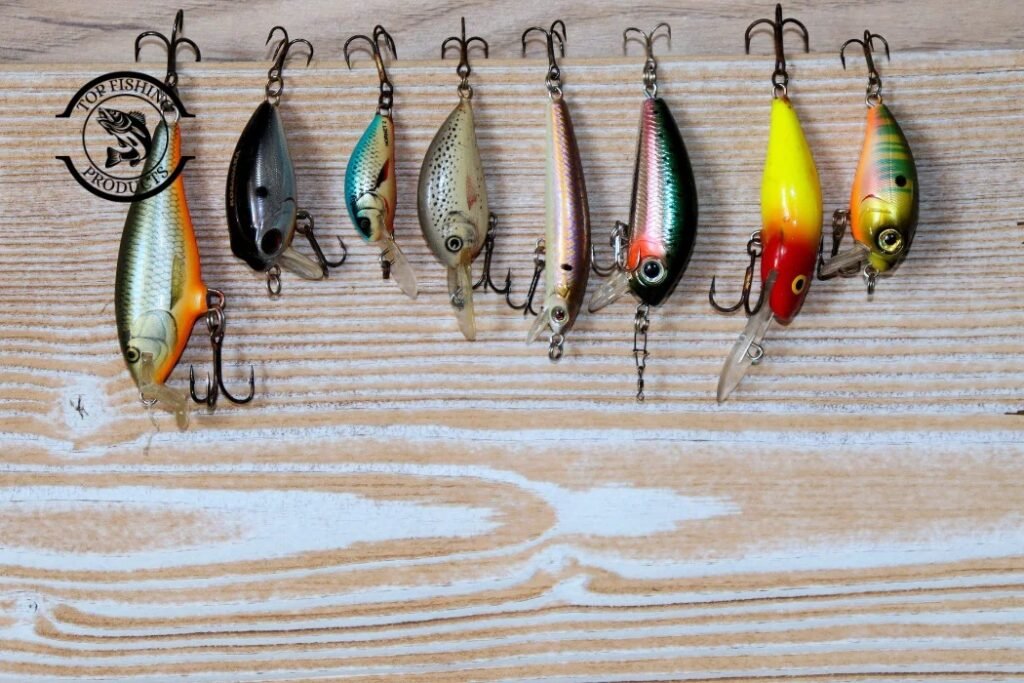
If you’d rather avoid live bait, a small selection of basic lures will get you started. Soft plastic worms, small spinnerbaits, and jigs cover a wide range of situations without requiring an expensive collection. In addition, these lures are reusable, which makes them more economical over a season compared to constantly buying live bait.
Similarly, it helps to match your lure color to water clarity. Bright colors like chartreuse work well in murky water, while more natural, translucent colors tend to perform better in clear water. This is a small detail, but it can meaningfully improve your results without adding complexity to your tackle box.
What Supplies Do You Need to Go Fishing? The Supporting Gear
Beyond the core tackle, a few supporting items make each trip smoother and safer.
| Item | Why It Matters |
| Tackle box | Keeps hooks, weights, and lures organized and prevents lost gear |
| Pliers or hook remover | Removes hooks safely, protecting both you and the fish |
| Fishing license | Legally required in most regions; check state or local regulations |
| Small first aid kit | Handles minor cuts or hook injuries |
| Sunscreen and hat | Protects against long hours of sun exposure |
| Cooler or bucket | Keeps catch fresh if you plan to keep fish |
| Line clippers | Cuts line cleanly without fraying |
None of these items are glamorous, but skipping them tends to cause problems later. A missing hook remover, for example, turns a simple unhooking into a stressful, fumbling process, especially with a fish that’s still flopping around.
Best Fishing Supplies for Beginners: Building a Starter Kit on a Budget
A complete beginner setup doesn’t need to be expensive. Here’s a general breakdown of what a reasonable starter kit costs:
- Rod and reel combo: $40–$80
- Line: $8–$15
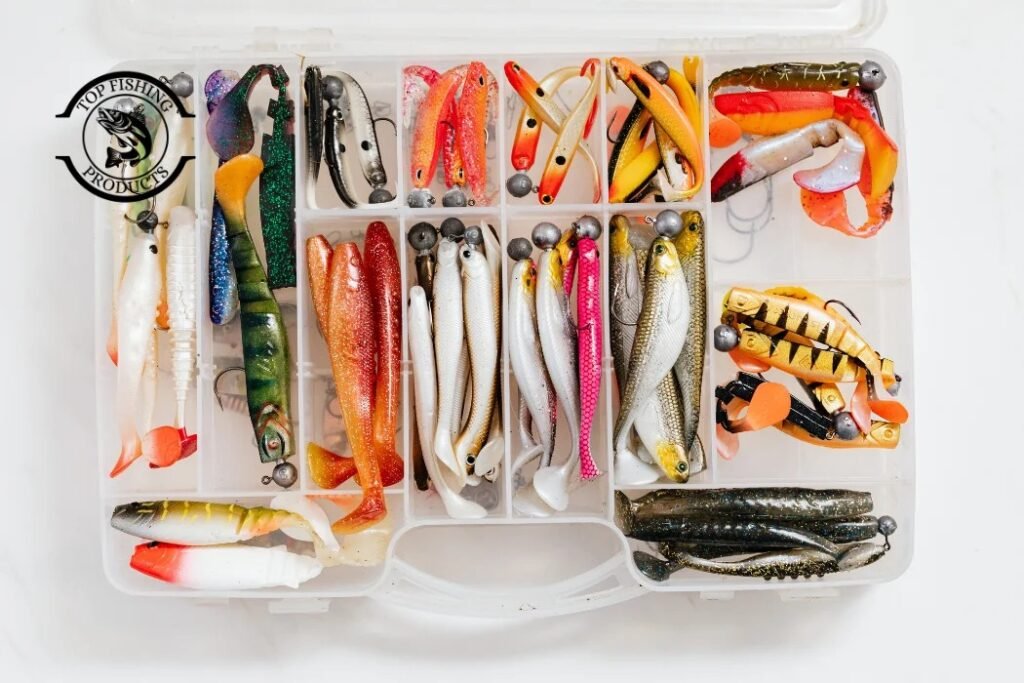
- Tackle box with basic terminal tackle: $20–$35
- Bait or starter lure pack: $10–$20
- Pliers and accessories: $10–$15
In total, a functional beginner setup typically falls between $90 and $165. This is meaningfully less than what many stores push toward first-time buyers, who often get steered into premium combos or excessive tackle they won’t use for months.
On the other hand, spending too little can backfire. Extremely cheap rods sometimes snap under normal use, and poor-quality lines can fail just when you’ve hooked a fish. Aiming for the mid-range usually offers the best balance of durability and value.
Maintaining Your Gear
Basic maintenance extends the life of your equipment significantly. Rinse your rod and reel with fresh water after any trip to saltwater, since salt accelerates corrosion. Meanwhile, check your line periodically for nicks or fraying, particularly near the hook, where friction and wear accumulate fastest.
Store your hooks and lures in a dry tackle box to help prevent rust. Let your reel air dry before putting it back in your gear bag to reduce the risk of mold and moisture damage. These simple habits take only a few minutes but can keep your fishing gear performing well for much longer.
Frequently Asked Questions
Do I need a fishing license as a beginner?
Yes, in most states and countries, anyone fishing in public waters needs a valid license, regardless of experience level. Requirements and costs vary by location, so check local regulations before your first trip.
Is live bait better than lures for beginners?
Live bait is generally easier for beginners because it requires less technique to be effective. However, lures are reusable and can be a good addition once you’re comfortable with basic casting and hook-setting.
How much should a beginner spend on a first fishing setup?
Most complete beginner kits, including rod, reel, line, and basic tackle, fall between $90 and $165. Spending significantly less often sacrifices durability, while spending much more usually isn’t necessary at the start.
What’s the easiest fish for a beginner to catch?
Panfish, such as bluegill and sunfish, are commonly recommended for beginners because they’re abundant, willing to bite, and not overly selective about bait or technique.
Final Verdict
Building your first fishing kit doesn’t have to be complicated or costly. Focus on the essential fishing supplies for beginners, including a dependable rod and reel, quality fishing line, basic tackle, and a few must-have accessories to create a solid foundation. Once you’ve gained experience, you can explore advanced equipment and techniques, but a simple, reliable setup is all you need to begin your fishing journey with confidence.