

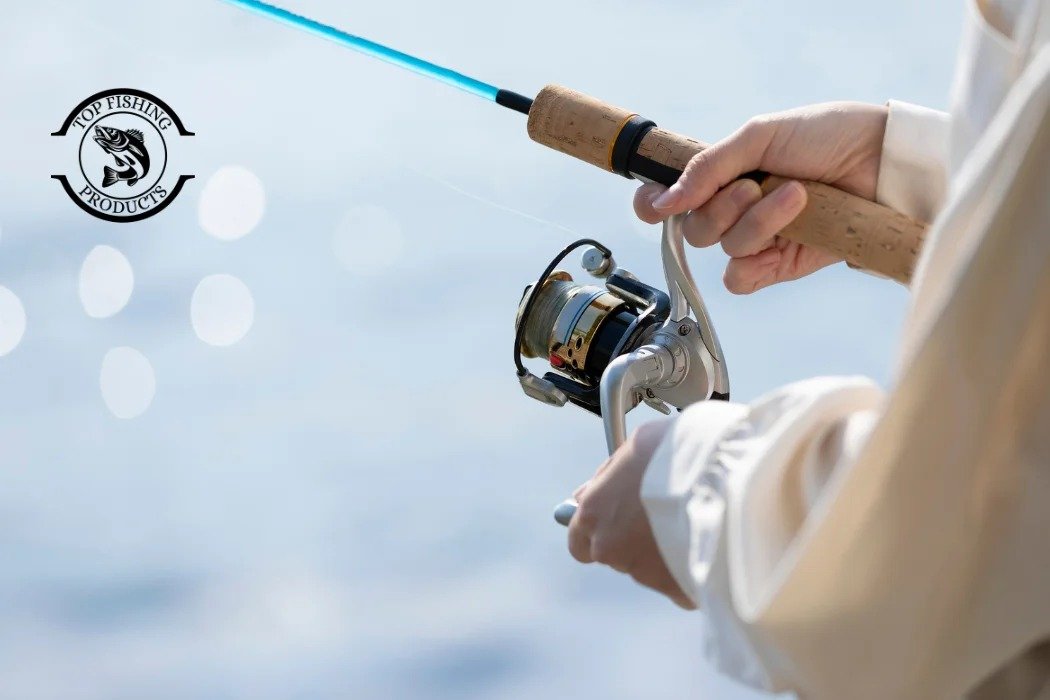
Learning how to cast a spinning reel is the first real skill every angler needs before anything else clicks into place. It looks simple when you watch someone else do it on the bank, but the first time you try it yourself, the line tangles, the lure drops six feet in front of you, or the whole setup just feels awkward in your hands. That’s normal. Almost every angler who now casts smoothly went through the same clumsy start.
This guide walks through the entire process step by step, from how to hold the rod to fixing the mistakes that trip up most beginners. By the end, you should have a clear picture of what good casting form looks like and why it works the way it does.
Why the Spinning Reel Is the Best Starting Point
Spinning reels are the go-to choice for beginners, and for good reason. Unlike baitcasting reels, which require precise thumb control to avoid backlash, a spinning reel hangs below the rod and lets gravity and line tension do most of the work. This design cuts down on tangles and makes the learning curve much friendlier.
Also, spinning reels handle a wide range of lure weights and line types well, which means you don’t need to switch gear as you try different fishing styles. That versatility is part of why so many guides recommend starting here before moving to other reel types.
Setting Up Your Rod and Reel Correctly
Before any cast happens, the rod and reel need to be set up properly. A poorly assembled setup will fight you no matter how good your technique is.
Attach the reel to the rod. Slide the reel foot into the reel seat on the rod and tighten the locking rings until it’s snug. It shouldn’t wiggle at all.
Spool the line correctly. Run the line through the rod guides first, then tie it to the spool using an arbor knot. Fill the spool to about 1/8 inch from the rim. Overfilling causes loops and tangles, while underfilling reduces your casting distance.
Check the bail. The bail is the wire loop that flips open and closed on top of the reel. This small piece controls whether line is free to release or locked in place, so it’s worth understanding early.
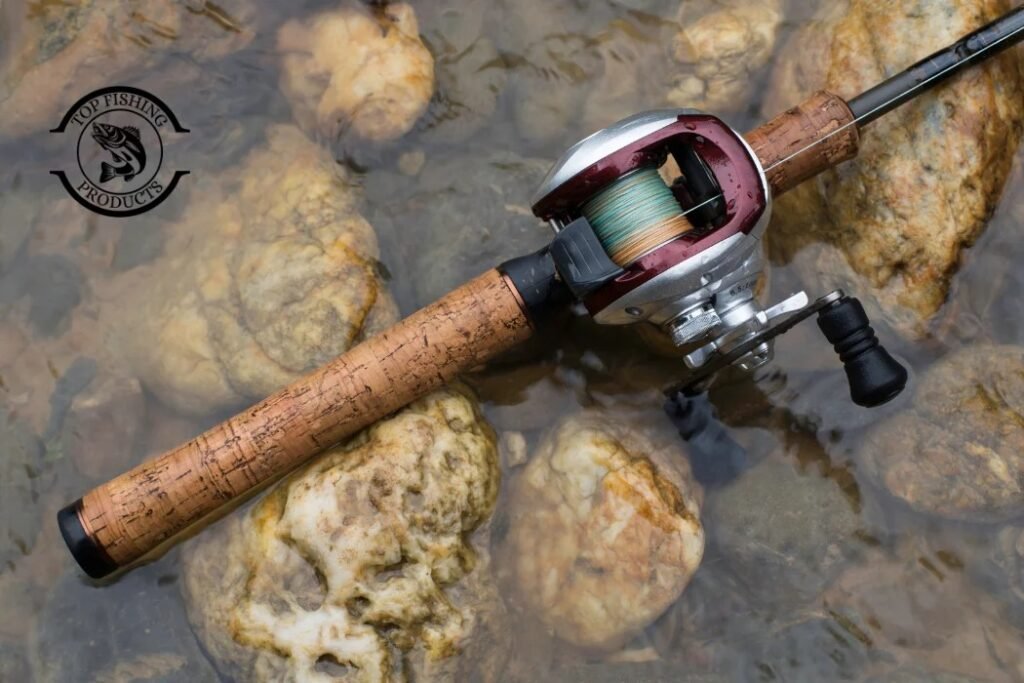
Once the rod is set up, the next step is learning how your hand should actually hold everything.
How to Hold the Rod and Reel Properly
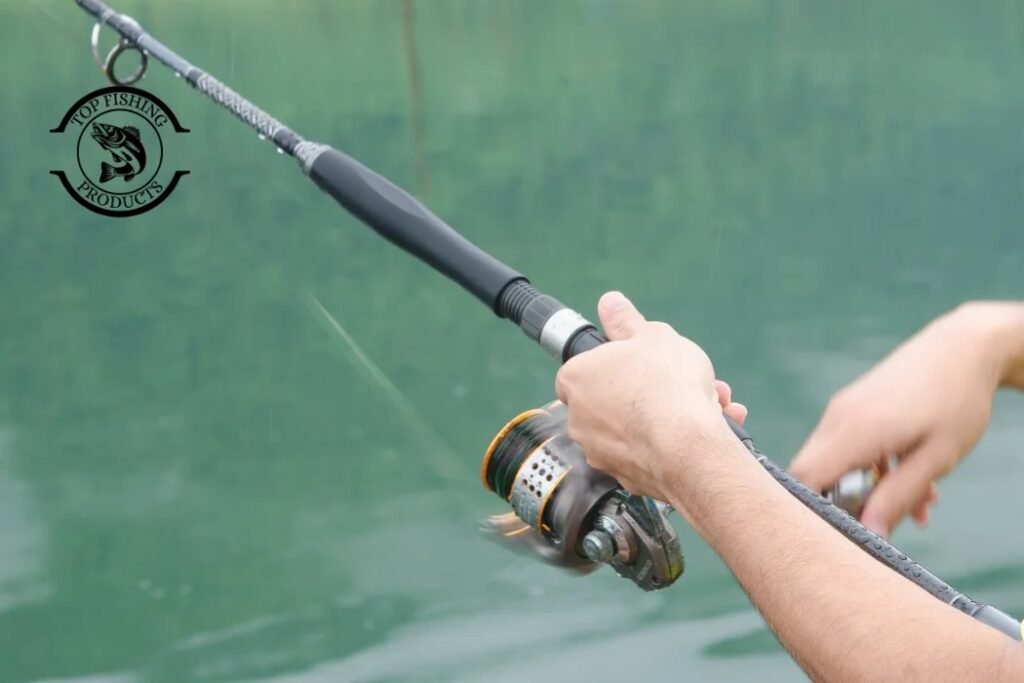
Grip matters more than most beginners expect. Hold the rod with your dominant hand just above the reel seat, letting the reel stem sit between your middle and ring fingers. This gives you a stable, balanced hold rather than a stiff grip near the base.
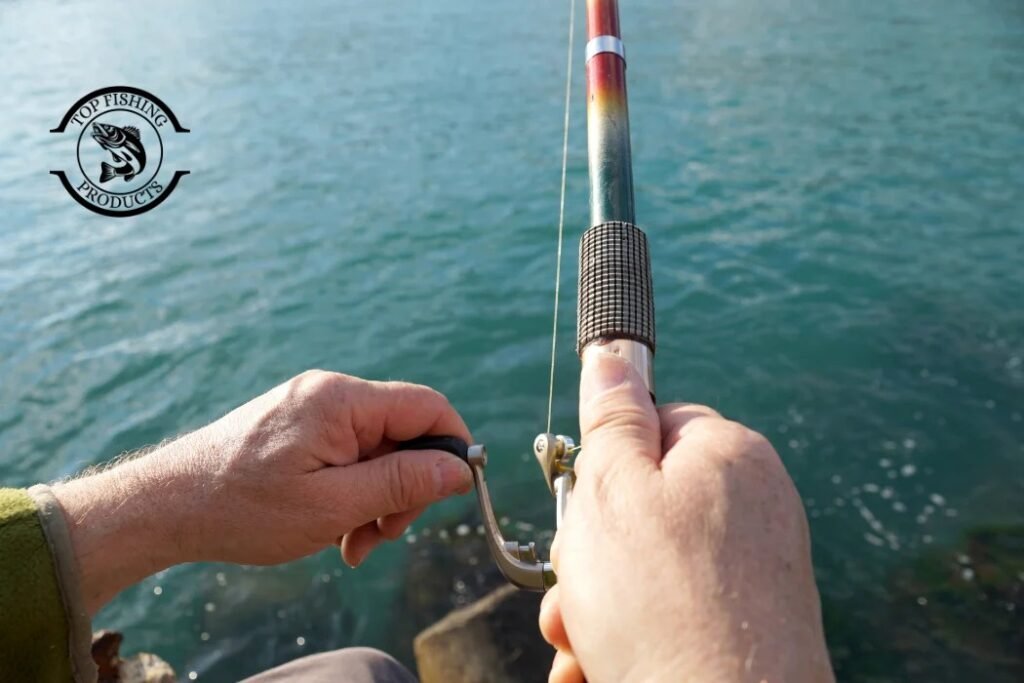
Your index finger will do the real work during the cast. Before you cast, hook your index finger around the line, just below where it comes off the spool. This finger controls exactly when the line releases, which is the entire secret behind casting accuracy.
The Step-by-Step Spinning Reel Casting Technique
This is the core spinning reel casting technique that everything else builds on. Practice it slowly a few times before trying to add power or distance.
Step 1: Get in Position
Face your target directly, feet shoulder-width apart, with your casting-side foot slightly behind the other. This stance gives your body room to rotate through the cast instead of relying only on your arm.
Step 2: Hook the Line with Your Index Finger
Reel in any slack line until the lure hangs about 6 to 12 inches from the rod tip. Then, hook the line with your index finger against the rod, pinning it firmly in place.
Step 3: Open the Bail
Flip the bail open with your free hand. At this point, the line is only held by your finger, not by the reel mechanism, so be careful not to release it too early.
Step 4: Load the Rod
Bring the rod back and slightly over your shoulder, roughly to the 10 or 11 o’clock position if you picture a clock face. This backward motion loads energy into the rod blank, similar to pulling back a slingshot.
Step 5: Cast Forward and Release
Sweep the rod forward smoothly toward your target. As the rod tip passes roughly eye level or slightly above, straighten your index finger to release the line. Timing this release is the single most important part of learning how to cast a spinning reel accurately, so don’t rush it.
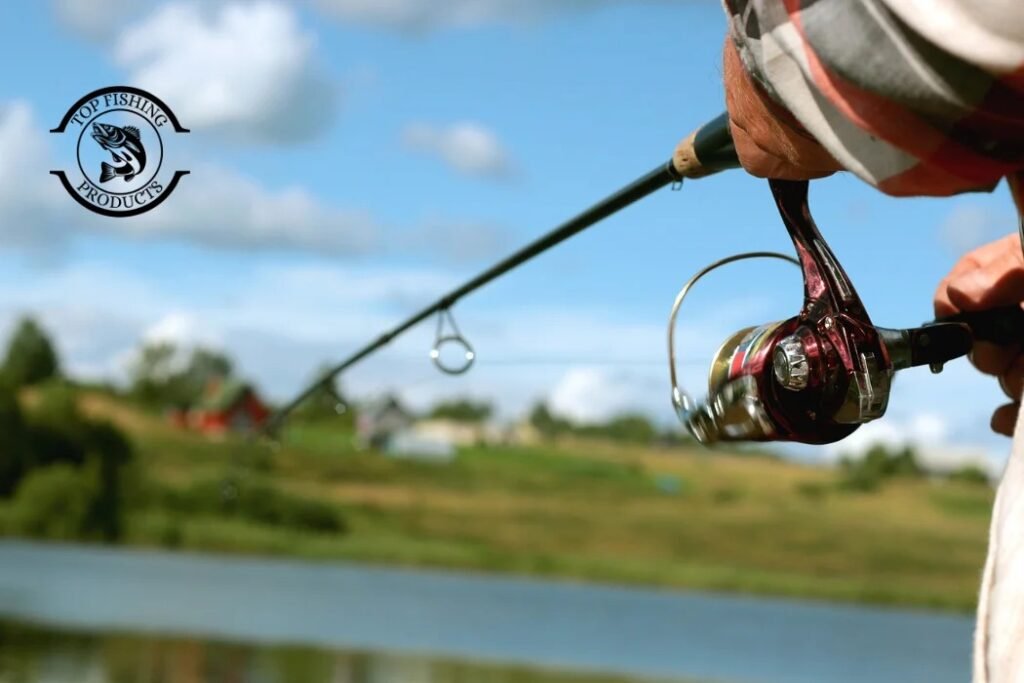
Step 6: Follow Through and Close the Bail
Let the lure travel to its landing spot, then close the bail manually or by turning the reel handle once. Closing it manually is often gentler on the line and mechanism.
That’s the full motion. It sounds like a lot of steps written out, but once your hands understand it, the whole thing takes about two seconds.
Spinning Reel Casting Tips That Improve Results Fast
A few small adjustments can noticeably improve your casts once you’ve got the basic motion down.
- Use your whole arm, not just your wrist. A rigid wrist-only cast limits power and control. Instead, let your forearm and shoulder contribute to the motion.
- Keep your grip relaxed. A tight, white-knuckle grip actually reduces rod flex, which cuts down on casting distance. Loosen up and let the rod do its job.
- Practice release timing on land first. Casting into an open field or backyard, without a hook attached, lets you dial in the release point without worrying about snagging anything.
- Watch your rod tip, not the lure. Beginners often stare at the lure mid-cast, but focusing on the rod tip helps you feel the timing of the release more naturally.
- Match your lure weight to your rod rating. Most rods list a recommended lure weight range near the handle. Staying within that range makes casting noticeably smoother.
How to Improve Spinning Reel Casting Distance
Once the basic motion feels comfortable, casting distance becomes the next thing most anglers want to work on. A few factors influence how far a lure travels.
Line diameter matters more than people expect. Thinner lines create less friction against the rod guides, which allows the lure to travel farther for the same amount of effort. Braided line, for example, is thinner per pound-test than monofilament and often adds noticeable distance.
Spool fill level plays a role too, as mentioned earlier. A properly filled spool lets line peel off with less resistance, while an underfilled one creates drag that shortens every cast.
Rod length also affects distance. Longer rods generate a wider arc during the cast, which translates into more speed at the tip and, therefore, more distance. That said, longer rods can be harder to control for beginners, so it’s worth balancing length against comfort.
Finally, timing the release slightly later, closer to the 12 o’clock position instead of releasing early, sends the lure on a flatter, longer trajectory rather than a high arc that loses distance to air resistance.
How to Improve Spinning Reel Casting Accuracy
Distance gets a lot of attention, but spinning reel casting accuracy is usually more valuable on the water, especially when you’re placing a lure near a specific piece of cover.
Accuracy comes down almost entirely to release timing. Releasing too early sends the lure off to the side, while releasing too late drives it into the water short of the target. Practicing at a fixed target, like a bucket or hula hoop in a yard, builds the muscle memory needed to repeat that timing consistently.
Shortening your casting stroke can also help with accuracy in tight spots, such as casting under docks or low-hanging branches. A sidearm cast, where the rod sweeps horizontally instead of overhead, works well for these situations and is worth practicing separately from the standard overhead cast.
Common Spinning Reel Casting Mistakes
Most spinning reel casting mistakes fall into a handful of predictable categories, and recognizing them early saves a lot of frustration.
Forgetting to open the bail. This is probably the most common beginner mistake. If the bail stays closed, the lure won’t go anywhere, and the sudden stop can snap light line or damage tackle.
Releasing the line too late. This sends the lure straight down instead of forward, sometimes right at your own feet.
Gripping the rod too tightly. As mentioned earlier, this restricts the rod’s natural flex and reduces both power and feel.
Overpowering the cast. Beginners often assume more force equals more distance. In reality, a smooth, controlled motion almost always outperforms a rushed, forceful one.
Ignoring wind direction. Casting into a headwind requires a flatter, faster cast, while a tailwind allows for a higher arc. Not adjusting for wind is a common reason casts fall short or drift off target.
Letting line twist accumulate. Twisted line causes loops and tangles over time. This usually happens from reeling while the lure is still in the air or from using a lure that spins, like certain spoons, without a swivel.
Practicing Casting with a Spinning Rod Off the Water
Casting with a spinning rod doesn’t require a lake or river to practice. In fact, dry-land practice is one of the fastest ways to build consistent form, since there’s no pressure to actually catch anything.
Tie a practice plug, a rubber weight with no hooks, to your line and set up a few targets in a yard or park. Then, work through the casting motion repeatedly, focusing on one adjustment at a time rather than trying to fix everything at once. For example, spend one session purely on release timing, and another purely on using your whole arm instead of just your wrist.
This kind of focused repetition builds the muscle memory that makes casting feel automatic once you’re actually fishing.
Final Thoughts
Learning how to cast a spinning reel really comes down to repetition and small adjustments. The mechanics are simple once broken down: hold the rod correctly, hook the line, load the rod, and release at the right moment. Everything else, from distance to accuracy, builds on that same foundation. As a result, the anglers who improve fastest are usually the ones who practice with patience and pay attention to the small details rather than rushing toward casting farther or harder. Give it time, adjust based on where your casts land, and the motion will eventually feel like second nature.
Frequently Asked Questions
How do I know if I’m releasing the line at the right time? If your lure consistently flies off to one side, you’re releasing too early or too late. Aim to release when the rod tip is roughly pointing at your target, then adjust slightly based on where the lure lands.
Why does my line keep getting tangled after casting? This usually comes from an overfilled or underfilled spool, line twist buildup, or closing the bail by hand while there’s still slack in the line. Reeling in any slack before closing the bail helps prevent this.
Do I need a specific type of line for spinning reels? Monofilament is the easiest for beginners because it’s forgiving and less prone to tangles. As casting skill improves, many anglers switch to braided line for added distance and sensitivity.
How much practice does it take to cast well? Most people notice real improvement within a few practice sessions, and casting starts to feel natural within a few weeks of regular use, though this varies based on how often someone practices.
Should I use two hands when casting? For most standard casts, one hand on the rod is enough, with the other hand used only to open and close the bail. Two-handed casts are typically reserved for longer, heavier rods used in surf fishing.
