In the world of fish, sturgeon is big, powerful, and historical, making sturgeon fishing an exciting experience. A lot of fishermen hope to catch a sturgeon at least once in their lifetime. Since sturgeon fish are different from other fish, the term “how to catch a sturgeon fish” is important. Living at the bottom of rivers and lakes, this fish moves slowly in search of food.
Because sturgeon fish grow huge and struggle hard when captured, it is important to know how to catch them. It is important to understand the habits, preferred locations, and methods of this powerful fish to catch a sturgeon. Let’s explore it:
Understanding What a Sturgeon Fish Is
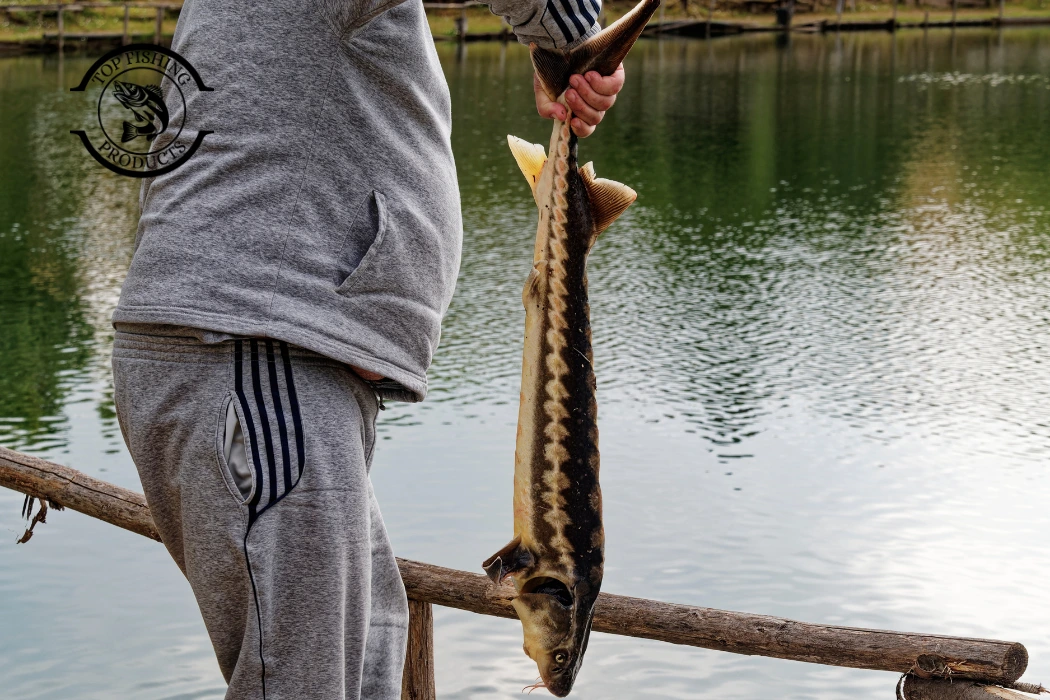
It’s important to understand the features of sturgeon fish before learning how to catch them. Large freshwater fish that have existed for millions of years are called sturgeon fish. Large and tough-skinned, sturgeon fish have a pointed nose. They have a hard plate called a scute instead of scales like other fish.
Additionally, sturgeon fish live on the bottom of rivers, lakes, or the ocean since they are bottom-dwellers. They look for food such as worms, tiny fish, and shellfish by searching the bottom of rivers, lakes, or the ocean. Additionally, sturgeon fish are known for their huge size and lengthy existence, making the catch a memorable event for fishermen.
Why Many Anglers Want to Catch Sturgeon
Since sturgeon is one of the most exciting fish to catch in the water, many anglers are searching for information on how to catch one. Catching a sturgeon is an exciting event because they are big and powerful fish. There are sturgeon fish that can weigh hundreds of pounds. A sturgeon will battle back and swim in the water after biting the hook, making it an exciting experience.
Because sturgeon is a rare and challenging fish to catch, it is an exciting and satisfying experience. The majority of fishermen use the catch-and-release method, which gives the fish many more years to live and swim in the sea.
Catch a Sturgeon Fish Steps Guide
The detailed guide is attached below for selecting the best bail to fish bites. Let’s get into:
Choosing the Right Fishing Rod
The correct fishing pole is important while learning how to catch sturgeon. Because sturgeon fish are powerful, a light rod cannot be used with them. A heavy or extra-heavy rod is used for this kind of fish.
To help in casting the rod, a lot of fishermen use one that is eight to 10 feet long. But to prevent breaking, the rod must also be flexible. When the fish tries to swim away, the fishermen can better control it with a strong rod. For the catch to be successful, a suitable rod is important.
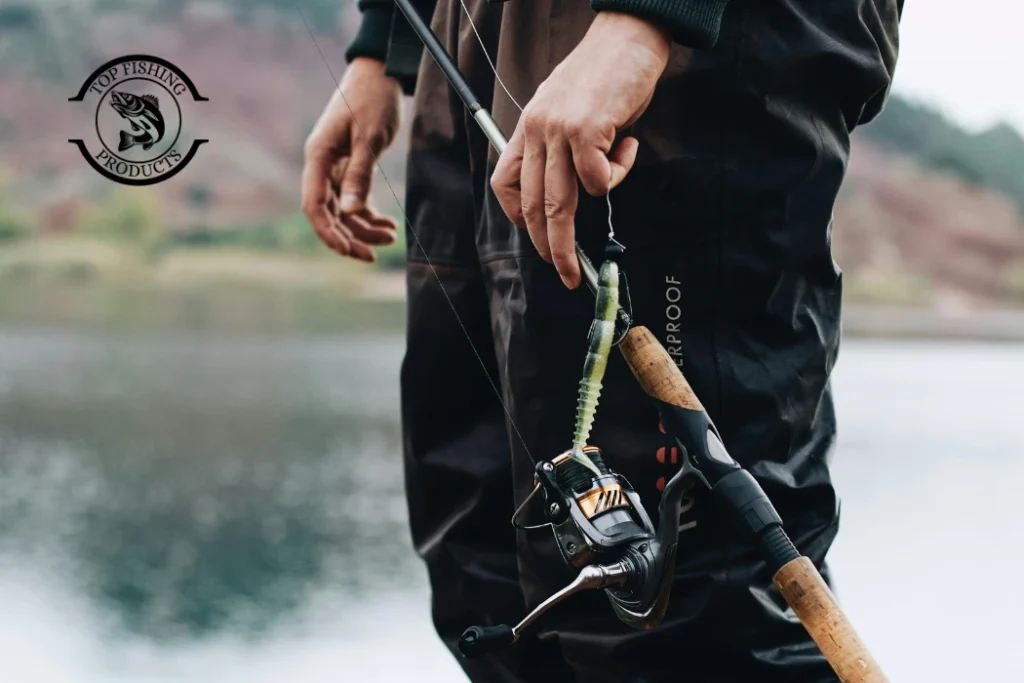
Selecting a Strong Fishing Reel
A powerful reel is another helpful piece of equipment for learning how to catch sturgeon fish. This is because, once hooked, sturgeon fish may travel great distances, and the reel needs to be able to retain a lot of fishing line.
Reels used to catch sturgeon fish are typically either spinning reels made for large fish or bait-casting reels. To guarantee that the fish can pull the line without breaking it, the reel’s drag system must also be smooth. This is to make sure that after the fish is hooked, it won’t be lost.
Picking the Right Fishing Line
When learning how to catch sturgeon, the fishing line is an essential part. This is due to the fact that it needs a strong fishing line due to its size and strength. Because braided fishing lines are so sensitive and powerful, most people like them. Depending on the size of the fish in the area, the fishing line’s strength should be between fifty and one hundred pounds.
After that, a strong leader line is fastened close to the hook to shield the fish’s body from rocks. People can prevent losing their catch by using a strong fishing line, especially when reeling in large fish like sturgeon.
Choosing the Best Hooks
A small but important part of learning how to catch sturgeon fish is the hooks. The hook needs to be strong enough because the sturgeon has rough jaws. Because they make it easier to hook the fish at the corner of its mouth, circle hooks have been used for sturgeon fishing.
This is very helpful for fishermen who want to release their caught fish. Given the strength of the sturgeon, the hook must also be big enough to catch the huge bait. The majority of fishermen use hooks ranging from 5/0 to 10/0.
Using the Right Sinkers and Weights
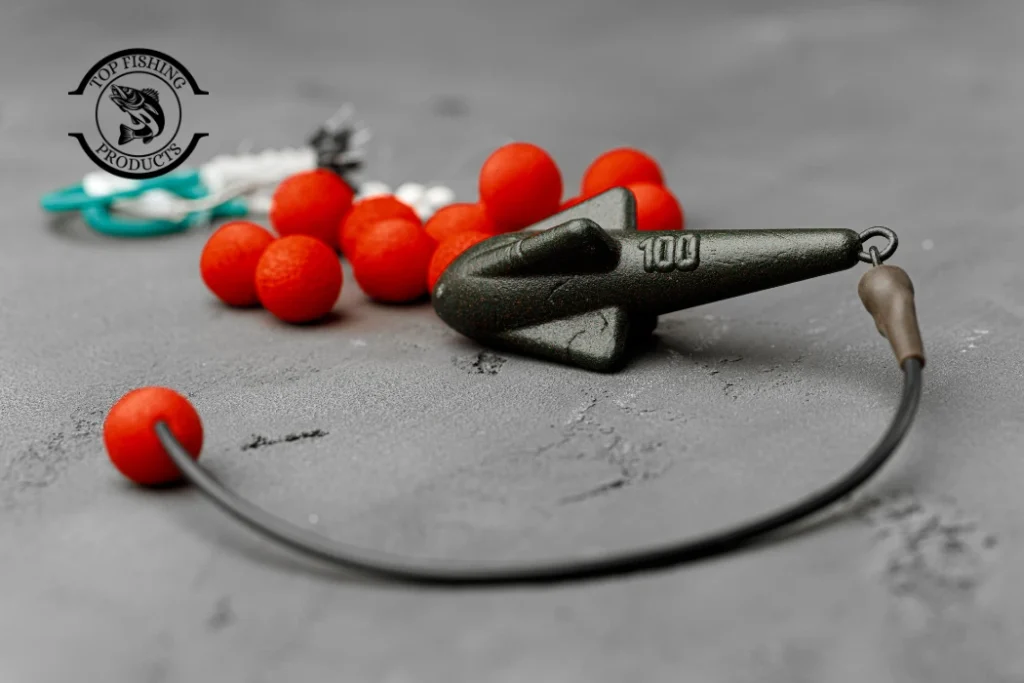
While sturgeon are bottom feeders, sinkers are important when learning how to catch them. While the sturgeon looks for its food supply, the bait should stay near the riverbed. Even in situations where the river current is strong, heavy sinkers will guarantee that the bait remains on the riverbed.
Since they will keep the bait on the riverbed, pyramid sinkers and no-roll sinkers are typically used. The river current’s speed determines the sinkers’ weight. Use of heavy sinkers is recommended if the river current is strong. This will guarantee that the bait is positioned correctly for the sturgeon to find it with pleasure.
Best Bait for Catching
One of the most important parts of learning how to catch a sturgeon fish is choosing the right bait. This is due to the fact that sturgeon eat a wide range of species found at the bottom of lakes and rivers. Worms, shrimp, small fish, and fish eggs are a few of these foods. Additionally, some fishermen use cut bait made from tiny fishlike shad or herring.
This is due to the fact that these baits’ potent scent draws sturgeon in from a distance. Because fresh bait has a higher capacity to disperse the smell across the water, it performs better than preserved bait. This guarantees that the sturgeon will find the bait and consume the hook.
Preparing the Bait Correctly
Making the bait is an important part of learning how to catch sturgeon. The bait needs to be attached to the hook so that it stays in place while submerged in water. When using worms, it’s important to secure them to the hook so they can’t be readily removed.
When using cut fish, it’s important to make sure it smells strongly when submerged in water so the sturgeon can find it more easily. In addition, the bait must make sure that the hook is covered yet still visible.
Setting Up a Sturgeon Fishing Rig
The procedure of learning how to catch a sturgeon fish requires a proper fishing setup. The majority of fishermen maintain the bait close to the riverbed using a basic bottom fishing setup. Because the bait moves somewhat in the water current, this kind of rig is effective for sturgeon.
The sturgeon fish may be drawn to the bait’s natural movement close to the riverbed. Typically, the leader line is long and strong enough to keep the bait away from the weight. When learning how to catch a sturgeon fish, this kind of rig works well.
Casting for Sturgeon Fishing
When learning how to catch sturgeon fish, casting is an important ability. This is due to the fact that fishing is typically done in deep water, the fisherman must cast the bait far enough to reach the fishing places. For the weights to be heavy enough to be used with the rods, the casting must always be smooth.
To help the fisherman feel the movements on the line, the line should always be tightened after casting. Since sturgeon bites are very powerful, the rod is typically placed in a strong rod holder to help in catching the fish. The bait should always be cast in the proper location where the sturgeon fish are feeding.
Waiting Patiently for a Sturgeon Bite
Learning how to catch a sturgeon fish requires a lot of patience. Sturgeon may take some time to find the bait, compared to other fish that eat it quickly. It is necessary to wait patiently and see how the end of the edge moves. Before properly biting the bait, the sturgeon may make a few little movements.
It is not recommended to remove the hook too quickly. The fish will fully bite the bait if you wait. A major part of the sturgeon fishing procedure involves waiting, but the excitement of catching a strong fish makes the wait valuable.
Recognizing a Sturgeon Bite
When learning how to catch a sturgeon fish, it’s important to understand what the phrase “bite” means. Compared to other fish species, fish bite very differently. As the fish tests the bait, there may seem to be some movement at the rod’s tip. This may be compared to slowly tapping or pulling at the bait.
The fish may eventually take the bait aggressively and pull away from it. The person fishing needs to be careful so they don’t miss this opportunity. It is expected that the fish will hook itself as it pushes away when circle hooks are used.
Hooking the Sturgeon Properly
The next phase in learning how to catch a sturgeon fish is correctly hooking the fish. Anglers must maintain calm and keep applying constant pressure to the fishing line even when the fish bites aggressively. The best way to hook a fish with a circular hook is to carefully raise the rod instead of pulling it.
This is important for making sure the hook enters the fish’s mouth corner. Sometimes the hook comes off the bait when the fish is hooked too firmly. Given that sturgeon are known for their aggressive battles, the true test starts once the fish is hooked.
Practicing Catch and Release
Since sturgeon fish are usually protected, the catch-and-release method is usually used while learning how to catch them. These fish have a lengthy lifespan because they grow slowly. Catch and release helps to the species’ protection. Typically, the fish is handled carefully and kept in the water as much as possible.
The fish’s skin is protected by wet hands or gloves. The fish is gradually released into the water when the hook is removed. In this manner, the species is protected, and the task of getting a sturgeon fish is preserved for future generations. You have now fully mastered the technique for catching sturgeon fish.
What Are the Fishing Rules and Laws?
Fishing restrictions play an important role when learning how to catch sturgeon. Many regions around the world enforce specific regulations to manage sturgeon fishing. These rules often limit how many fish anglers can catch or define the seasons when fishing is allowed. Some areas only permit catch-and-release fishing.
Authorities enforce these regulations because many sturgeon species face serious population declines. Before you plan a fishing trip, check the local fishing regulations. This step helps protect sturgeon populations and ensures future anglers can enjoy the same fishing opportunities.
Which Are Best Places to Catch a Sturgeon Fish?
One of the most important parts of learning how to catch a sturgeon fish is knowing the precise location. Large lakes, deep rivers, and locations close to the sea where freshwater meets saltwater are typical locations for sturgeon fish. Because they can search for food in the water, they favor places with deep water, slow water currents, and soft surfaces like dirt and sand.
Sturgeon fish can be found in places like slow-moving water channels, deep holes, and river bends. These locations include drop-offs, dams, and bridges. When choosing a fishing location, one should look at the structure of the river and locate deep water places where sturgeon fish rest and hunt.
What’s the Best Time to Catch a Sturgeon Fish?
When learning how to catch sturgeon fish, time is very important. During specific seasons and periods of the day, sturgeon are more likely to move. For example, sturgeon are more likely to move to their feeding grounds in the spring and summer, which is when many anglers have been successful in catching them.
Early morning and evening are the greatest times to catch sturgeon because the fish are closer to the feeding grounds during these times. When catching sturgeon, the water’s temperature is also important. When the water is neither too hot nor too cold, sturgeon are more likely to move. The greatest time to catch sturgeon is when the rivers’ shifting tides cause them to move.
Why Patience Is Important in Sturgeon Fishing
Patience is another important component of the learning process. The reason for this is that sturgeon fish don’t always want to bite the bait. Sometimes the fish won’t bite the bait; thus, the bait or the area needs to be changed. Waiting is the best option in other situations.
This is due to the fact that sturgeon fish look for food by moving slowly down the water’s bottom. This means that it will take some time for the fish to find the bait. When the fish finally bites, those who are patient will enjoy the moment. When the fish is caught, it is a joyful event.
Common Mistakes People Make
When learning how to catch a sturgeon fish, many beginners make mistakes. Using equipment that is too light for such a powerful fish is one of the faults. Failing to place the bait on the bottom, where the sturgeon feed, is another mistake. In addition, some fishermen could pull the hook too soon, before the fish properly accepts the bait.
The angler may also lose the fish if they use outdated fishing line or bad knots. With the right gear and patience, an angler might increase their chances of catching a sturgeon by learning from their failures.
Final Verdict
It takes dedication, planning, and fishing expertise to catch a sturgeon. Because sturgeon fish are large and powerful and remain at the bottom of bodies of water, it’s important to have the appropriate equipment and bait to catch them. The likelihood of making a catch can be raised by understanding their behavior, where to catch them, and what bait to employ.
Sturgeon fishing involves a lot of waiting, but the excitement of landing such a powerful fish makes it worthwhile. You can experience the excitement of catching a sturgeon fish while preserving these ancient creatures by following fishing restrictions.
Frequently Asked Questions:
What is the best bait to catch a sturgeon fish?
The best bait to catch a sturgeon fish includes worms, shrimp, fish eggs, and cut fish such as herring or shad. These baits have a strong smell that helps attract sturgeon from a distance.
Where can you usually find sturgeon fish?
Sturgeon fish are usually found in deep rivers, large lakes, and coastal waters. They prefer areas with slow currents and soft bottoms made of sand or mud where they can search for food.
What is the best time to catch a sturgeon fish?
The best time to catch a sturgeon fish is often early morning or evening. Many anglers also have success during spring and summer when sturgeon are more active and feed more often.
Do you need strong gear for sturgeon fishing?
Yes, strong fishing gear is very important for sturgeon fishing. Heavy rods, strong reels, and thick fishing lines are needed because sturgeon are powerful fish that can fight hard.
Is catch and release important for sturgeon fishing?
Yes, catch and release is very important because many sturgeon species are protected and grow very slowly. Releasing the fish safely helps protect the population for future anglers.