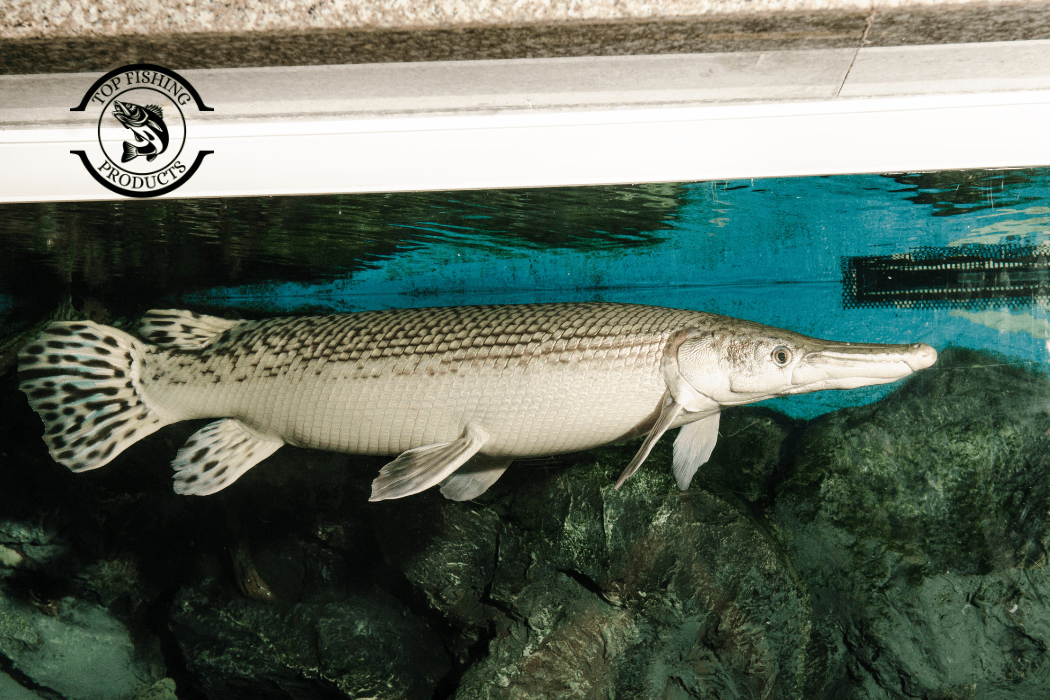
Since gar fish are ancient and identified by their long bodies and strong scales with teeth, catching them will be very different from catching other freshwater fish. Since gar fish do not act like other fish and will not easily bite a fishing rod’s hook, most people may find it difficult to catch them.
I will always remember the moment I tried to catch my first gar fish because I could see the fish in the water, but no matter what kind of bait I used, I was unable to hook it.
Step-by-Step Guide to Catching Gar Fish Successfully
I’ve learned the secret of gar fishing over time, and I’ll share it with you so you may easily catch gar fish by using this advice. Let’s explore it:
Step 1: Understand Gar Fish Behaviour
It is important to understand the behaviour of the species before attempting to catch gar. Gar are slow swimmers that are sometimes spotted close to the water’s surface. They come from the water to breathe, and because they are nervous, they are highly noticeable.
Additionally, unlike other species that swallow their prey whole, they attack it from the side and chew it because they are not very fierce. The majority of people miss the hook set because of Gar.
Step 2: Find the Right Location
One of the most important parts of catching gar fish is choosing the location. Gar usually live in backwaters, bayous, lakes, and rivers that flow slowly. Gar are frequently found close to underwater logs, weed lines, and river bends because they prefer warmer water.
Finding places where the water is quiet, and the gar can be seen swimming above the surface, is always my preference. Gar are most active in the early morning and late afternoon, making these times the ideal times for catching them.
Step 3: Choose the Right Fishing Rod and Reel
Garfish are difficult opponents when fishing because of their strength and hard skin. You will therefore need a strong fishing rod and reel combination. I personally advise using a heavy or medium-heavy fishing rod along with a heavy fishing reel.
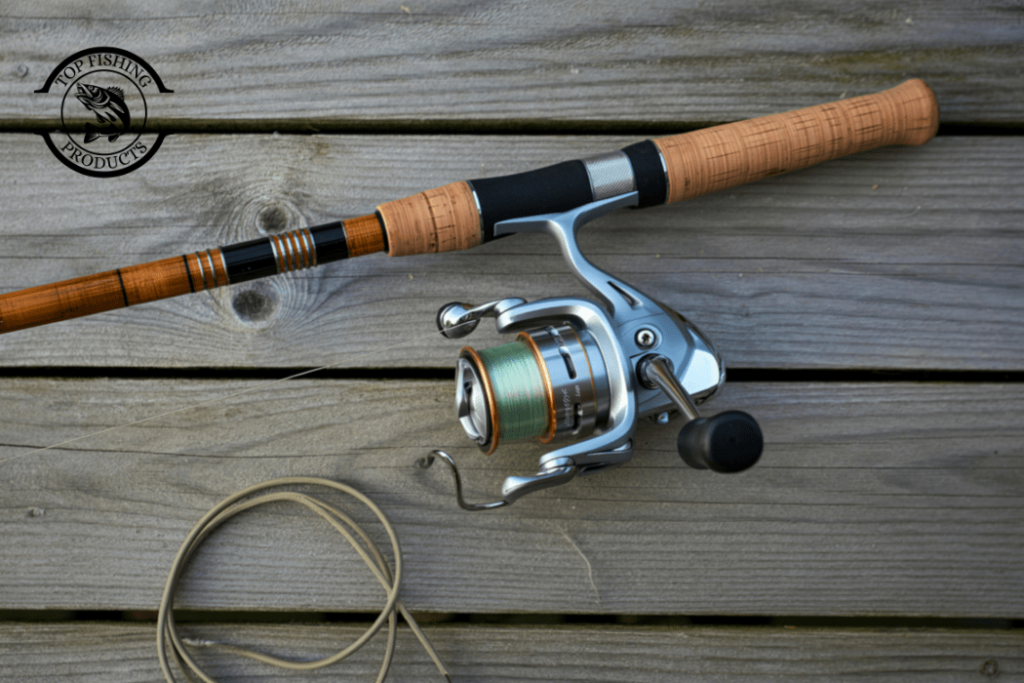
Additionally, the fishing rod needs to be strong enough to react to any unexpected jumps, runs, or bursts from the fish. Since the garfish could react after being caught, a smooth drag system is also preferred.
Step 4: Use a Strong Fishing Line
Gar fishing also requires the use of a strong fishing line. A weak line can be easily sliced by the gar’s keen teeth. Because of its strength and quality, I personally prefer to use a braided line. It is best to use a line that is at least 30 to 50 pounds strong. To reduce the possibility of bite-off, some fishermen also favour using a steel leader line.
Step 5: Select the Best Bait for Gar Fish
Gar prefer to eat natural bait, but they are not selective eaters. I’ve found that using live fish, cut bait, and dead bait is the most successful type of bait. Sunfish, shad, mullet, and small carp are the best dead baits. The use of fresh bait is important because gar are sight feeders and do not rely heavily on fragrance. The bait must look as though it is in its regular state in the water, even though I use cut bait.
Step 6: Use Rope Lures Instead of Hooks
One of the best methods for catching gar fish is using rope lures. The mouths of gar fish are very hard. They are difficult to catch using hooks. Rope lures are an entirely different approach. Frayed nylon ropes are used to make rope lures.
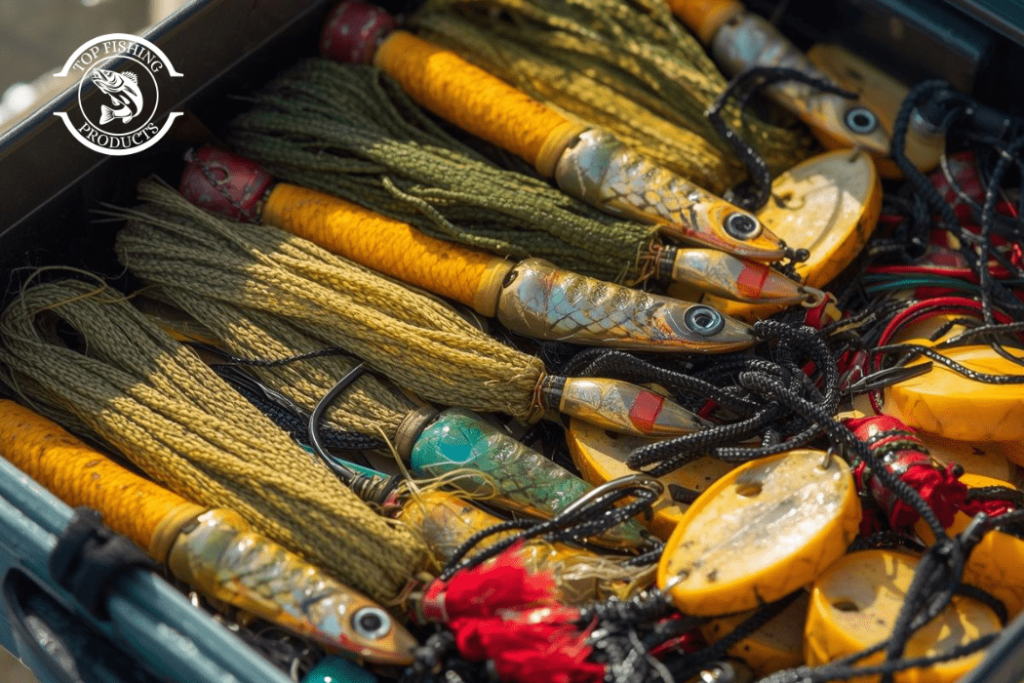
A gar fish’s teeth become trapped in the rope lure as soon as it bites it. After failing to catch many fish with a hook, I personally started using rope lures, and the results were clear. A totally safe and efficient way to catch gar fish is with rope lures.
Step 7: Cast and Let the Gar Take the Bait
It’s important to wait once you’ve set the trap. You shouldn’t immediately lift the line after a gar takes the bait. Gar usually swims away slowly after biting the bait. To allow the gar to completely absorb the bait or become entangled in the rope bait. It is important to wait at least 10 to 20 seconds before attaching the line. When it comes to dealing with gar, this is the biggest mistake committed by beginner fishermen.
Step 8: Set the Hook Carefully
Compared to other fish, hooking gar fish is really different. It is not necessary to hook hard during rope lure fishing. Simply gradually tighten the line. Wait a little while longer before fixing the hook. Slow hooking is preferable to quick pulling. This will stop the bait from escaping the gar fish’s mouth.
Step 9: Fight the Fish with Control
Gar fish may put up a very good fight once it hooks. They enjoy running underwater, jumping over, and jumping out of the water. When fighting fish, always keep the tip of your rod up and apply constant pressure. Avoid trying to bring this fish to port too quickly. Before you drag it in, it will exhaust itself. When these fish have no proper defence, they act in this way.
Step 10: Land the Gar Fish Safely
A gar fish must be handled carefully when landing. A gar fish has hard scales on its body and strong teeth. Personally, I never use my hands to land a gar fish. Long pliers, a gaff, or a landing net are the finest tools for landing gar fish. It is important to use extreme caution and never touch the fish’s mouth before releasing it into the water.

Step 11: Remove the Lure or Hook
A gar fish’s lure should be gently removed. If you used a lure on a rope, just use pliers to free it from the teeth. When a hook is deep, cutting the line is preferable to running the risk of getting hurt. If handled properly, gar fish are strong and often survive being pulled out. Before removing the lures, I always make sure the fish are comfortable.
Step 12: Release or Keep the Fish Responsibly
You can decide whether to catch and release the gar fish or keep it after you’ve pulled it in. Since gar help to balance the ecosystem, most people release it. Allow it to return to the water safely so that it can swim away if you do plan on releasing it.
On the other hand, if you wish to keep the fish, use local fishing rules and restrictions. Responsible fishing will guarantee the population’s preservation for a regular supply of food in the future.
Different Types of Gar Fish
Gar fish can be found in lakes and rivers all over North America. The common variety, the longnose gar, has a very long, thin snout. It is a fast-moving fish that frequently swims close to the water’s surface. Smaller and powerful, the spotted gar is commonly found in shallow regions with greenery. The fatter shortnose gar prefers bodies of water with slow-moving currents, such as rivers and lakes.
The largest and strongest variety, the alligator gar, can even exceed human length. They might vary in size as well as in how they behave and develop. Knowing the type of gar fish that populate your fishing destination will help you prepare appropriately. Instead of starting with huge, powerful gar fish, beginners should start with fewer varieties.
Best Time of Year to Catch Gar Fish
As warm-water fish, gar fish are most active in warm water. Gar fish usually begin to stay in shallow waters in late spring. Due to the need to stay near beaches and at the water’s surface, gar fishing is best done in the summer. Gar fish are most active and frequently feed during this time. Additionally, they are simple to find at this moment.
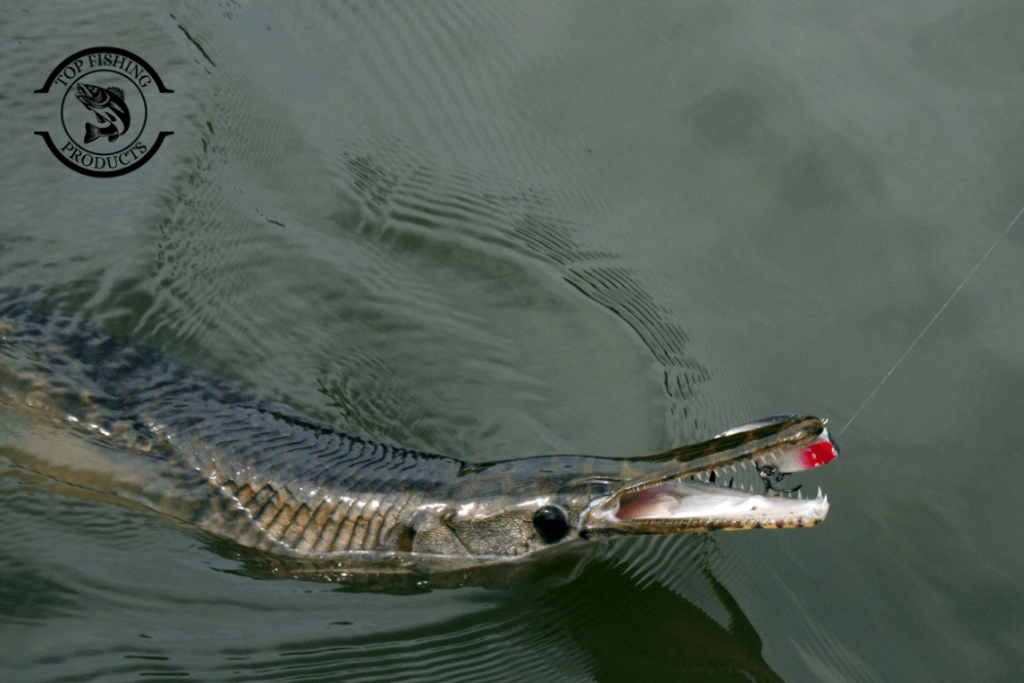
Gar fishing can also be done in the early fall if the water is still warm. Gar fish live deeper in the water during the winter, so they are hard to find and remain inactive. They also have lower energy and less feeding during this period as the water is freezing. For gar fishing to be effective, seasonal timing is important.
How To Rig Your Line For Gar Fishing?
When fishing for gar, it is important to rig your line correctly. This is due to the need for a strong fishing line to protect against the fish’s sharp teeth. Because the fish are heavy, using large fishing hooks is also important.
Instead of using a fishhook, a specific fish-rope rig tangles in the fish’s jaws, making fishing more successful. Even for a beginner, this is really simple to use and quite effective. Because light fishing weights allow easy bait movement, they are also important.
What are proper Hook Setting Technique for Gar Fish
The hardest part of gar fishing is setting the hook. Before eating the bait, gar fish typically hold it sideways and move slowly. The bait will be taken out of the gar fish’s mouth if the hook is put in too soon.
Waiting for the gar fish to turn away and moving slowly is the best strategy. This shows that the bait has already entered the mouth. Instead of applying sudden pressure, apply constant pressure to the bait. The slow and steady hook setting works better than the other.
What are the Best Tips for Catching Gard Fish?
Of all the freshwater fish species, gar fishing is the most requested game for fishers. There’s no need to rush for gar fish because they don’t rush. One of the best ways to identify gar fish before throwing is to watch the movement of the water. To successfully hook gar fish, you must observe their movement. Gar fish can maintain their calm by standing and avoiding making sudden movements.
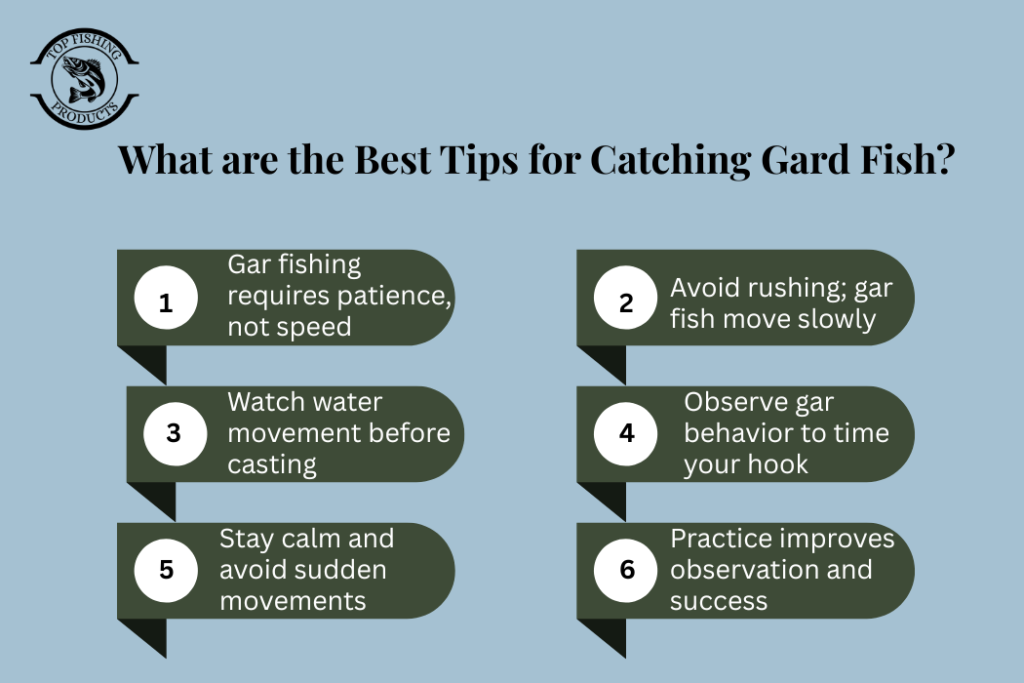
It takes a lot of gar fishermen more time to watch than to cast their hooks. Fishermen may need some time to improve their ability to observe catch gar fish. Avoiding hooking and needless time and energy waste requires patience. Over time, youngsters will develop the skill of observation to improve each time they go gar fishing.
Common Mistakes Beginners Make
Gar fishing presents several common difficulties for many inexperienced fishermen. The most common mistake is hooking too early. Fish loss and line breakage are caused by lightweight equipment. There is practically no chance of success with gar fishing in cold water. After a strike, a lack of patience results in no hookup.
Gar fish may run away if you get too close to the water. Ignoring one’s own safety could result in harm. Mistakes encourage quick progress. When fishing for gar, a different strategy should be used than for other fish species. Fishermen can save time by avoiding some of these traps. Fishermen will one day become expert gar fishermen.
Conclusion
Gar fishing is a rewarding task that requires understanding, technique, and patience. I’ve discovered throughout the years that using the appropriate bait, waiting for the ideal opportunity, and maintaining calmness throughout the process are typically what lead to success.
Timing and control are more important in gar fishing than speed. Everyone, from beginners to experts, can enjoy the excitement of landing this powerful and ancient fish by following these detailed instructions. Every trip will improve and become more enjoyable with practice.
Frequently Asked Questions:
1. Is gar fish hard to catch?
Yes, gar fish can be difficult to catch because they do not swallow bait quickly and have very hard mouths. Using rope lures helps a lot.
2. What is the best time to catch gar fish?
Early morning and late afternoon are the best times, especially during warm months.
3. Can beginners catch gar fish?
Yes, beginners can catch gar fish if they use simple techniques, strong gear, and practice patience.
4. Are gar fish dangerous?
Gar fish are not aggressive toward humans, but their sharp teeth can cause injury if handled carelessly.