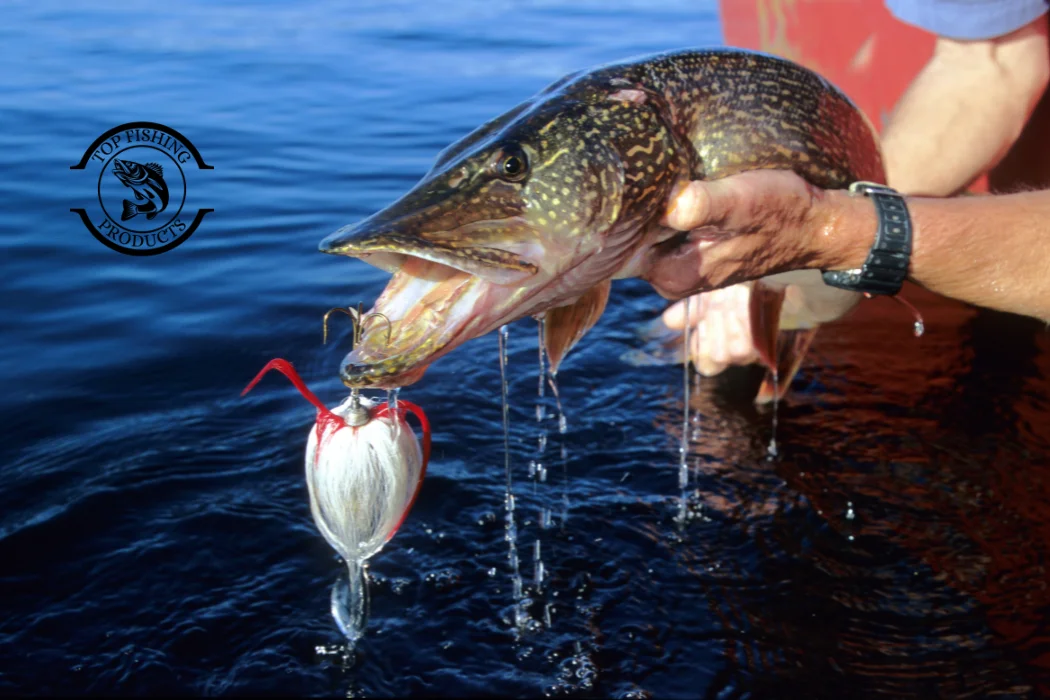
Pike has a reputation that scares off many new anglers, and honestly, some of it is deserved. They hit hard, they fight dirty, and they have a mouth full of teeth that can end a fishing trip early if you’re not careful. But learning how to catch pike is a lot more approachable than most people think, once you understand a few basics about where these fish live and how they hunt.
This guide walks through everything from picking the right gear to reading water and adjusting your approach based on the season. Whether you’re fishing from a boat or working the bank, the goal here is to get you catching pike with confidence, not just theory.
Understanding Pike Behavior Before You Cast
Pike are ambush predators. They don’t chase down prey across open water the way some species do. Instead, they sit tight against cover, weeds, drop-offs, or submerged wood and wait for something to swim past close enough to strike. This single fact changes almost everything about how you should fish for them.
Because of this hunting style, pikes are rarely found suspended in open water for long stretches. They want structure nearby, something to hide behind or blend into. In addition, they’re highly territorial, so once you find a spot holding fish, it’s often worth fishing again on future trips.
Water temperature also plays a big role in pike activity. These fish tolerate cold water extremely well and often feed aggressively in the shallows during early spring and late fall. As the summer heat sets in, however, pike tend to move toward deeper, cooler water or shaded areas, especially during the middle of the day.
Pike Fishing Setup Guide: Gear That Actually Works
Getting your gear right matters more with pike than with a lot of other freshwater species, mainly because of their teeth and their tendency to fight hard right up until the moment you land them.
Rod and Reel
A medium to medium-heavy rod in the 6.5 to 7.5 foot range gives you enough backbone to set the hook and control a fish, while still allowing you to work lures effectively. Pair it with a reel that has a smooth drag system, since pike are known for sudden bursts of speed once they realize they’re hooked.
Line Choice
Braided line in the 20- to 30-pound range is a common choice for pike fishing because it has almost no stretch, which helps with hook sets, and it holds up well against abrasion from weeds and structure. Monofilament works too, particularly for beginners who want a bit more forgiveness, though it won’t offer the same sensitivity.
Leaders Are Not Optional
This is the part beginners skip most often, and it’s a mistake. Pike have razor-sharp teeth that can easily cut through ordinary fishing lines. A wire or heavy fluorocarbon leader, typically 20 to 40 pounds, needs to sit between your main line and your lure. Without one, you’ll lose fish, lures, and sometimes both at the same time.
Hooks and Terminal Tackle
Strong, sharp hooks matter a great deal here. Pike have bony mouths, so a dull hook often won’t penetrate well enough to hold during a fight. Many anglers also use a quick-release tool or long-nose pliers, since removing hooks from a pike’s mouth requires care and the right equipment.
Pike Fishing Setup for Beginners: Keep It Simple
If you’re new to this, don’t overcomplicate your first few trips. If you’re new to pike fishing, there’s no need to overcomplicate your gear. A medium-heavy rod and reel, braided line with a wire leader, and a few proven lures will handle most situations and give you a great start. Trying to carry a tackle box full of specialty gear before you understand how pike behave usually just creates confusion on the water.
Start with one rod, one reliable leader setup, and a small handful of lures you trust. Once you start catching fish consistently, you’ll naturally figure out what additional gear is worth adding.
Best Lures and Baits for Pike
Pike aren’t picky eaters, but certain lure types consistently produce results.
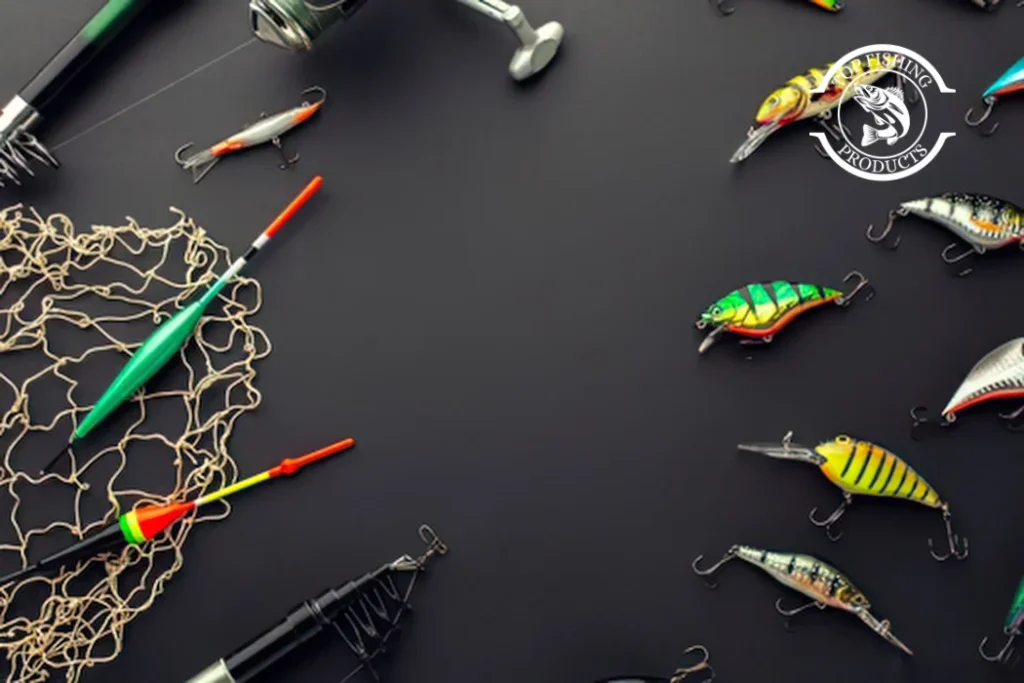
- Spinnerbaits work well because their flash and vibration mimic fleeing baitfish, and they’re relatively snag-resistant around weeds.
- Spoons are simple, effective, and great for covering water quickly, especially in open areas near structures.
- Jerkbaits trigger reaction strikes thanks to their erratic, darting motion, which mimics an injured or fleeing fish.
- Swimbaits in larger sizes appeal to pike’s preference for a substantial meal, particularly in summer and fall.
- Live bait, such as large minnows or dead bait fished under a float, remains one of the most reliable options, especially through ice or in cold water.
As a general rule, larger pikes tend to favor larger prey. Therefore, don’t be afraid to size up your lure if you’re specifically targeting bigger fish, even if it feels oversized for the water you’re fishing.
How to Catch Pike: Reading the Water
Finding pike comes down to identifying the type of cover they like to ambush from. Weed edges are a classic starting point, particularly where thick vegetation meets a clear channel or drop-off. Pike will sit just inside the weed line and dart out to grab anything swimming along the edge.
Submerged logs, fallen trees, and dock pilings all provide excellent cover, allowing pike to stay hidden until the perfect moment to strike. Meanwhile, points and underwater humps that transition from shallow to deep water are worth checking, especially during transitional seasons like spring and fall when pikes move between depths.
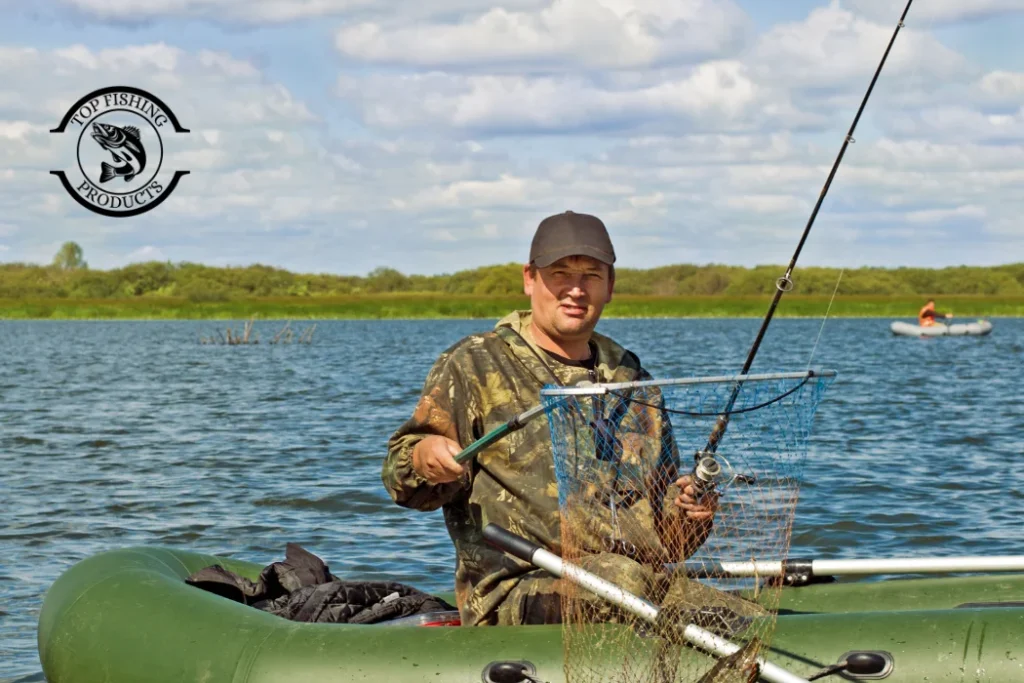
Current seams near inflows or outflows also concentrate baitfish, which in turn draws pike looking for an easy meal. If you find moving water meeting still water, it’s almost always worth a few casts.
How to Catch Northern Pike from Shore
You don’t need a boat to catch pike successfully, and shore fishing actually offers some real advantages, particularly in spring when pike move into shallow water to spawn.
Look for areas where the bank drops off into deeper water fairly quickly, since this gives pike access to both shallow hunting grounds and a nearby retreat. Weedy bays, points, and any visible structure within casting range are all worth targeting.
Casting parallel to the shoreline, rather than straight out into open water, often produces better results because it keeps your lure in the strike zone longer. In addition, working the edges of docks, downed trees, or reed beds along the bank tends to outperform blind casting into featureless water.
Early morning and evening are typically the most productive windows for shore fishing, as pike move shallower to feed when light levels are lower. Cloudy days often keep pike on the hunt longer, giving anglers a better chance of catching fish throughout the day.
Pike Fishing Tips for Beginners
A few habits separate anglers who catch pike consistently from those who struggle.
First, vary your retrieve speed. Pike sometimes want a fast-moving lure that triggers a reaction strike, while other times a slow, methodical retrieve works better. If nothing is happening after a dozen casts, change your pace before changing your spot entirely.
Second, always use a leader. This point is worth repeating because it’s the single most common mistake new pike anglers make, and it costs them fish.
Third, handle pike with care once landed. A pair of long-nose pliers or a jaw spreader makes hook removal safer for both you and the fish. Wet your hands before handling a pike to help protect its slime coat if you plan to release it.
Finally, be patient with your presentation. Pike often follow a lure without striking, especially in visible water. If you notice follows but no bites, try a figure-eight motion near the boat or bank before lifting the lure out, as this sometimes triggers a last-second strike.
Seasonal Approach to Catching Pike
Spring pikes are shallow, aggressive, and recovering from winter, which makes them relatively easy to target near spawning flats and warming bays. As summer progresses, fish often move to deeper water or seek shaded cover. Fishing during the early morning or late evening is usually more productive than fishing at midday.
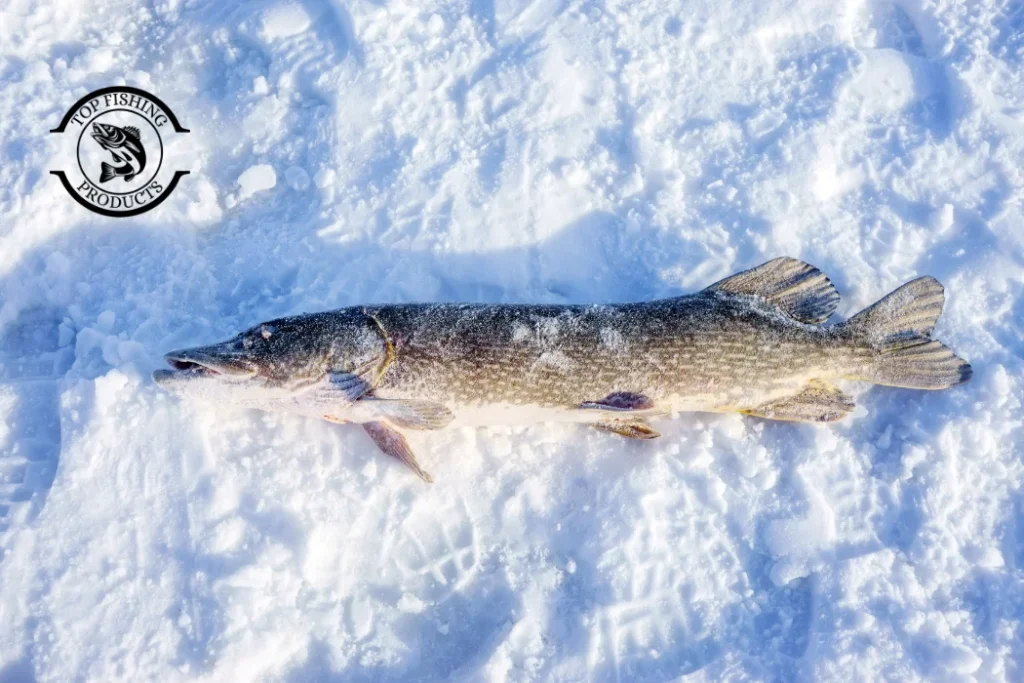
Fall brings pike back toward shallower water as they feed heavily ahead of winter, often resulting in some of the best fishing of the year. Winter fishing, particularly through the ice, relies heavily on live or dead bait presentations fished near structure, since pike become less willing to chase fast-moving lures in frigid water.
Final Thoughts
Learning how to catch pike really comes down to understanding their ambush behavior, matching your gear to their strength and teeth, and being willing to adjust your approach as the seasons change. Start simple, focus on structure, and don’t skip the leader. Once you put these basics together, pike fishing becomes one of the more rewarding pursuits in freshwater angling, offering hard strikes and memorable fights for anglers at every skill level.
Frequently Asked Questions
Do I really need a wire leader for pike?
Pike have razor-sharp teeth that can slice through regular fishing lines with ease. That’s why experienced anglers use a wire or heavy fluorocarbon leader to prevent bite-offs.
What time of day is best for pike fishing?
Early morning and late evening are usually the most productive times to fish for pike. However, if the weather is cloudy or overcast, they often stay active longer, giving you a better chance of catching them throughout the day.
Can beginners catch pikes without a boat?
Absolutely, Shore fishing near drop-offs, weed beds, and points can be just as effective as boat fishing, particularly in spring.
How do I safely remove a hook from a pike?
Use long-nose pliers or a jaw spreader, keep fingers away from the teeth, and work calmly to avoid stressing the fish unnecessarily.
What size lure should I start with?
A medium-sized spoon or spinnerbait, roughly 4 to 6 inches, is a good starting point for most water conditions.