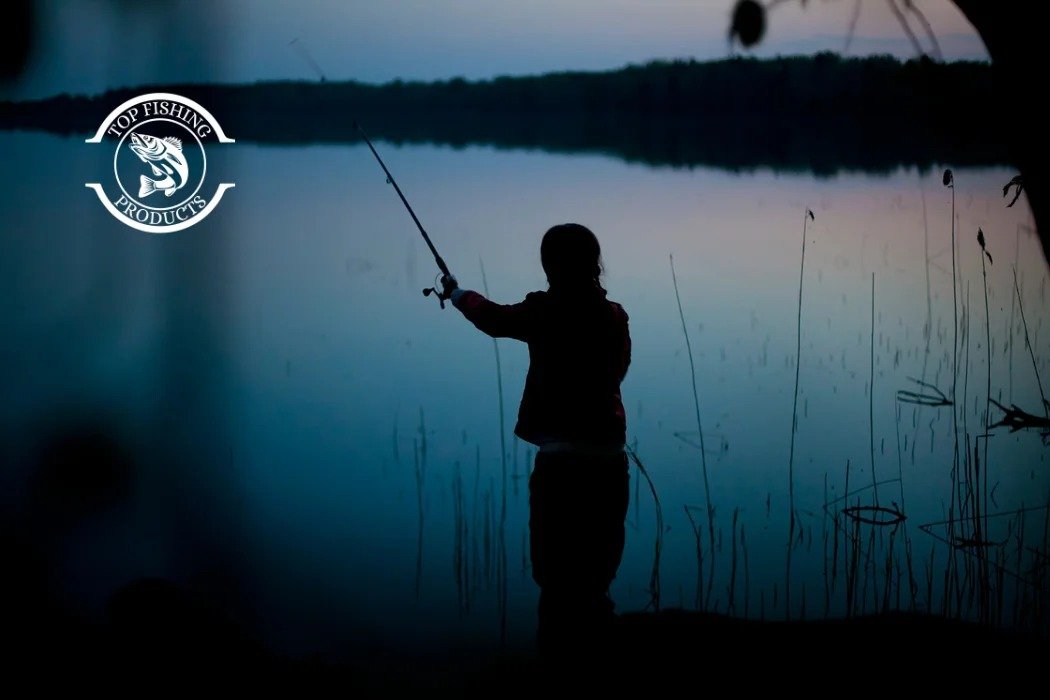
There’s something different about being on the water after the sun goes down. The boat traffic disappears, the air cools off, and the fish start acting like completely different animals. If you’ve only ever fished inshore during the day, you’re missing out on some of the best action the water has to offer. Inshore fishing at night isn’t just a novelty. For species like snook, redfish, trout, and striped bass, darkness often triggers the most aggressive feeding of the entire day.
This guide walks through everything you need to know to fish inshore waters at night with confidence, from picking the right gear to understanding why fish behave the way they do once the light fades.
Why Fish Feed Differently After Dark
Most inshore predators are ambush feeders. During bright daylight, baitfish can see danger coming from a distance and scatter before a predator gets close. At night, that advantage disappears. Baitfish struggle to spot a snook or a redfish lurking in the shadows, which means predators can get within striking range without being noticed.
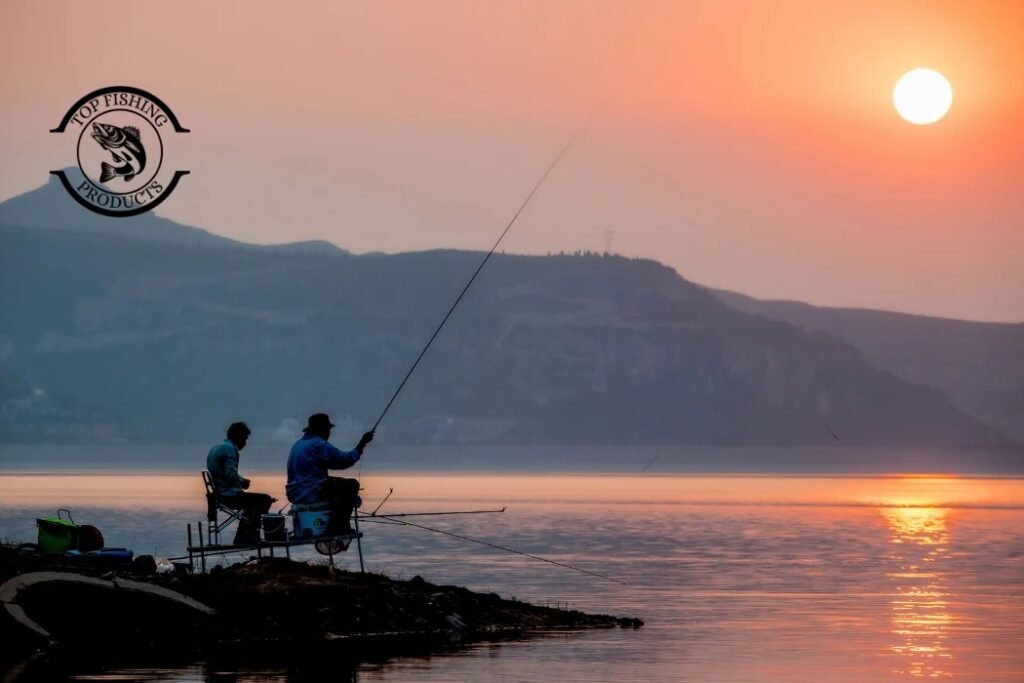
Water temperature also plays a role, especially in warmer months. Shallow flats and backwater creeks can get uncomfortably hot for fish during peak daytime sun. Once night falls, the water cools slightly, and fish move back into skinny water to feed. This is why so many guides in Florida, Texas, and the Gulf Coast plan their best trips around dusk and the hours right after.
Another factor is simply pressure. Boat traffic, jet skis, and daytime anglers push fish into deeper holes or thicker cover. At night, that pressure disappears almost entirely. Fish relax, move into their natural feeding lanes, and become far more predictable.
What Type of Fishing Is Best at Night?
This is one of the most common questions beginners ask, and the honest answer is that it depends on your location and target species. However, a few patterns hold true almost everywhere.
Dock light fishing is one of the most productive night techniques along the Gulf Coast and in Florida. Docks with lights hanging over the water attract shrimp, small baitfish, and crabs, which in turn attract snook, trout, and tarpon. The line where light meets shadow is where the real action happens. Predators sit in the dark water just outside the light and dart in to grab anything illuminated at the edge.
Bridge and pier fishing is another strong option. Structures like this create current breaks and shadow lines, both of which concentrate fish. Moving water combined with structure is almost always a good bet after dark.
Flats and backwater fishing works well too, particularly during a rising tide. Redfish and trout push up into shallow grass flats to hunt shrimp and small crabs once the sun goes down, especially on warm nights with little wind.
For those farther north, striped bass fishing at night along inshore structure and river mouths is a well-known technique that produces some of the biggest fish of the season.
Best Bait for Night Fishing Saltwater
Bait selection at night is less about matching an exact hatch and more about making sure fish can find your offering in low light. A few options consistently outperform others.
Live shrimp is arguably the single best all-around bait for saltwater night fishing. Shrimp are naturally active after dark, and nearly every inshore predator eats them without hesitation. Fishing a live shrimp under a popping cork near a lighted dock is a classic combination for a reason.
Live baitfish such as pinfish, finger mullet, or menhaden also work well, particularly for larger targets like snook or big redfish. These baits produce more vibration in the water, which helps fish locate them even when visibility is poor.
Cut bait can be effective too, especially for scent-driven feeders. A chunk of mullet or ladyfish sitting on the bottom near a channel edge can draw in redfish, catfish, and even black drum after dark.
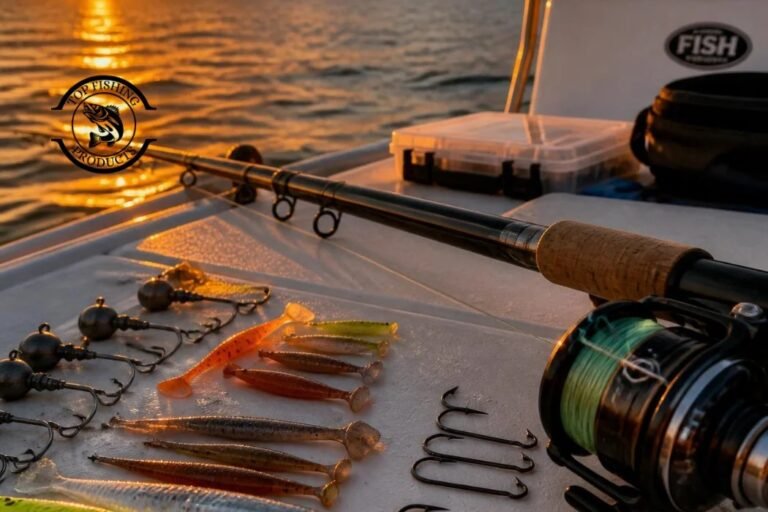
On the artificial side, dark-colored soft plastics such as black, purple, or root beer tend to create a stronger silhouette against the night sky compared to bright colors, which can wash out in low light. Paddle tail swimbaits and soft jerkbaits worked slowly along light lines are proven producers.
Inshore Fishing Rod and Reel Setup for Night Trips
Your daytime inshore rod will likely work fine at night, but a few adjustments make a real difference in comfort and success.
A medium to medium-heavy spinning rod between 7 and 7.5 feet is the standard choice for most inshore night fishing. The extra length helps with casting accuracy around docks and low-light structure, while a medium-heavy backbone gives you the power needed to pull fish away from pilings before they can wrap the line.
Pair that rod with a 3000 to 4000 size spinning reel spooled with a 15 to 20 pound braided line. Braid is important at night because it has almost no stretch, which means you feel strikes more clearly when you can’t see your line move. A fluorocarbon leader in the 20 to 30 pound range is a smart addition, since it resists abrasion around dock pilings, oyster bars, and barnacle-covered structure far better than straight braid.
If you’re targeting bigger snook or tarpon around lighted docks, stepping up to a 30 or 40 pound leader is worth considering. These fish fight hard near structure, and a lighter leader often means a lost fish and a straightened hook.
Building the Right Inshore Fishing Setup for Darkness
Beyond the rod and reel, a full inshore fishing setup for night trips includes a handful of extras that daytime anglers can skip.
A reliable headlamp is non-negotiable, but choose one with a red-light setting if possible. White light spooks fish in shallow water and ruins your night vision every time you flip it on. Red light lets you tie knots and rebait hooks without alerting everything nearby.
A small clip-on light for your rod tip or bobber can help you track strikes, especially when using a popping cork or float. Many anglers also carry a spare set of pre-tied leaders, since tying knots in the dark takes longer and is more prone to mistakes.
Polarized sunglasses might seem pointless at night, but keeping a pair on the boat is smart for the early dusk hours when the sun is still low and glare is still an issue.
Finally, a dip net with a long handle makes landing fish near dock lights or bridge pilings much safer and faster than trying to lip-grab a thrashing snook in the dark.
Choosing the Right Inshore Fishing Boat for Night Trips
Not every boat is ideal for night fishing, and a few features matter more once the sun goes down.
A shallow draft is important if you plan to fish flats or backwater creeks, since running aground in the dark is far more dangerous than doing so during the day. Boats in the 18 to 22 foot range with a draft under 12 inches tend to be the sweet spot for most inshore anglers.
Working navigation lights are required by law after sunset, and it’s worth double-checking them before every trip rather than assuming they’re fine. A functioning GPS or chartplotter is also far more valuable at night, since landmarks that are easy to spot during the day can be nearly invisible after dark.
A quiet trolling motor helps you approach dock lights and shallow structure without spooking fish that are already on edge from the change in visibility. Many serious night anglers also add a few soft, downward-facing deck lights rather than bright overhead lighting, which helps with movement on the boat without throwing harsh light onto the water.
If you’re renting or borrowing a boat rather than using your own, ask specifically about the condition of the running lights and the horsepower of the trolling motor. Both matter more at night than most renters realize.
Reading Tides and Moon Phase for Night Fishing
Tide movement matters just as much at night as it does during the day, and in some cases it matters even more. A moving tide pushes bait through channels, over flats, and past structure, giving predators a reason to feed. A dead slack tide, on the other hand, often produces slow fishing no matter how good the spot looks.
Many experienced night anglers plan trips around the first two hours of an incoming tide after dark, since this window tends to concentrate baitfish near structure right as predators are becoming active.
Moon phase is another factor worth considering. A full moon provides more ambient light, which can extend feeding windows and make fish slightly more cautious in very shallow water. A new moon, with almost no ambient light, tends to push fish tighter to structure and dock lights, since that becomes their primary source of visibility. Neither phase is necessarily better, but understanding which one you’re fishing helps you choose locations more effectively.
Safety Considerations Every Night Angler Should Know
Night fishing adds a layer of risk that daytime trips don’t have, so a few precautions are worth building into your routine.
Always tell someone your planned location and expected return time before heading out. Cell service can be spotty in backwater areas, and a simple check-in plan gives someone a starting point if something goes wrong.
Life jackets should be worn, not just stored on the boat, since falling into dark water is far more disorienting than falling in during daylight. A basic first aid kit, a fully charged phone in a waterproof case, and a backup flashlight are all worth keeping on board every trip.
Slow down. Running at daytime speeds through unfamiliar water in the dark is one of the most common causes of boating accidents. Even experienced captains reduce their throttle significantly once the sun sets.
Common Mistakes Beginners Make at Night
New night anglers often make the same handful of errors, and most are easy to fix once you know what to look for.
Using too much light is probably the biggest one. Shining a bright flashlight directly into the water to see fish will often scare them away before you get a cast in. Keep lights low, indirect, and pointed away from the water whenever possible.
Fishing too far from structure is another common issue. During the day, fish spread out more, but at night they tend to hold tight to docks, pilings, bridges, and grass edges. Casting into open water away from the structure usually produces far fewer bites.
Retrieving too fast is a mistake many daytime habits carry over into night trips. Fish rely more on vibration and sound in low light, so a slower, more deliberate retrieve often outperforms a fast one.
Frequently Asked Questions
Is inshore fishing at night better than during the day?
It depends on the species and conditions, but many anglers find night fishing produces larger, more aggressive fish, particularly around dock lights and structure.
Do I need special gear for night fishing?
Not entirely. A standard inshore rod and reel setup works fine. The main additions are a red-light headlamp, a landing net, and abrasion-resistant leader.
What time of night is best for inshore fishing?
The first few hours after sunset and the hours right before sunrise tend to be the most productive, especially when paired with a moving tide.
Is it safe to fish inshore waters at night?
Yes, as long as you take basic precautions like wearing a life jacket, running at reduced speed, and letting someone know your plans before heading out.
Final Verdict
Inshore fishing at night rewards anglers who slow down, pay attention to structure, and adjust their approach to match how fish actually behave in low light. The gear doesn’t need to be complicated, and the techniques build naturally on skills most anglers already have from daytime trips. What changes is the mindset. Once you start treating darkness as an advantage instead of an obstacle, inshore fishing at night can easily become the most productive part of your week on the water.