Walk into any tackle shop and ask which fishing method works best, and you’ll probably get five different answers from five different anglers. That’s because there isn’t one single best method. There are top five fishing methods, and each one shines under different conditions, target species, and skill levels. Knowing when to use which one is what separates anglers who catch fish consistently from those who go home empty-handed more often than not.
This guide breaks down the five most reliable and widely used fishing techniques, explains how each one works, and helps you figure out which approach fits your situation.
1. Bait Fishing
Bait fishing is where most anglers start, and for good reason. It’s simple, affordable, and effective across nearly every type of water.
The idea is straightforward. A hook is loaded with live or natural bait, such as worms, minnows, shrimp, or cut bait, and then presented to fish in a way that mimics natural food. Fish rely on smell and movement to find prey, so bait fishing taps directly into that instinct.
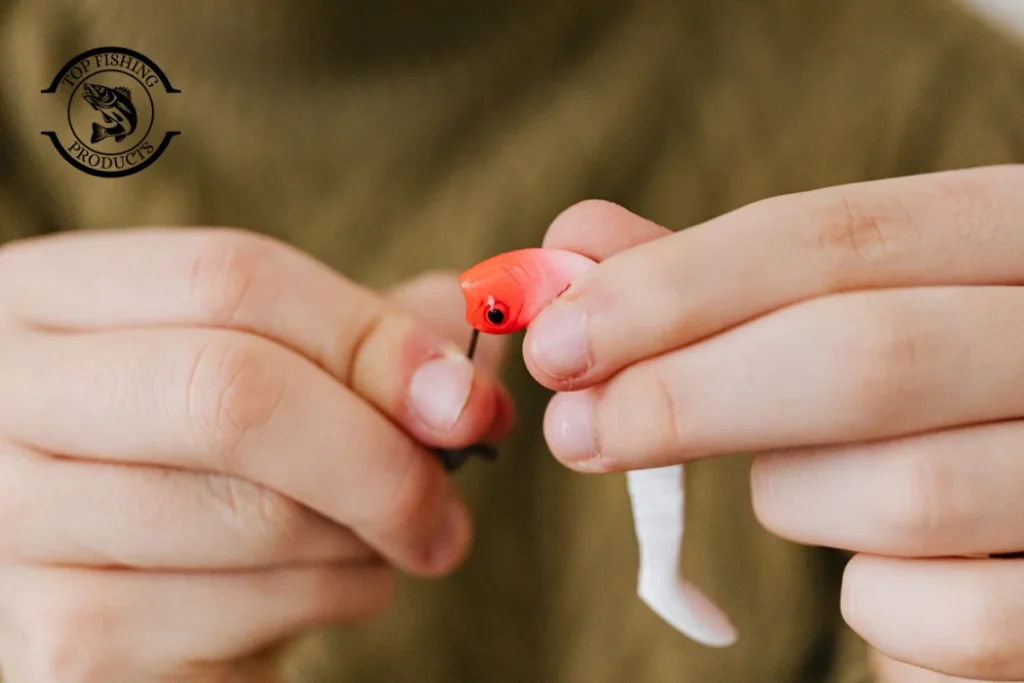
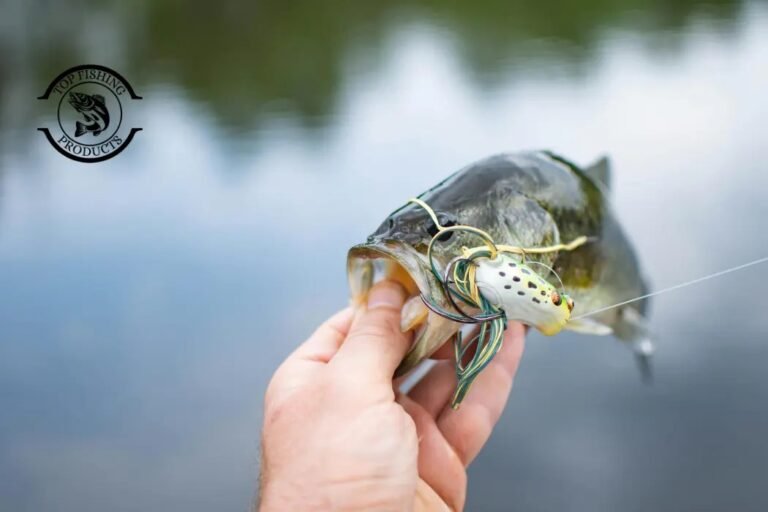
This method works exceptionally well for species like catfish, panfish, bass, and walleye. However, success depends heavily on matching the bait to the season and water conditions. For example, nightcrawlers tend to produce well in spring when fish are feeding aggressively after winter, while cut bait often performs better in warmer months when scent travels further through the water.
One common mistake beginners make is using too much bait or rigging it improperly, which can mask the hook or make the presentation look unnatural. As a result, fish become suspicious and avoid the bait entirely. Keeping the bait fresh and the rig simple usually solves this problem.
Bait fishing also tends to be more forgiving for beginners because it doesn’t require precise technique. The bait does most of the work. On the other hand, it can be slower paced, since anglers often wait for fish to find the bait rather than actively searching for them.
2. Fly Fishing
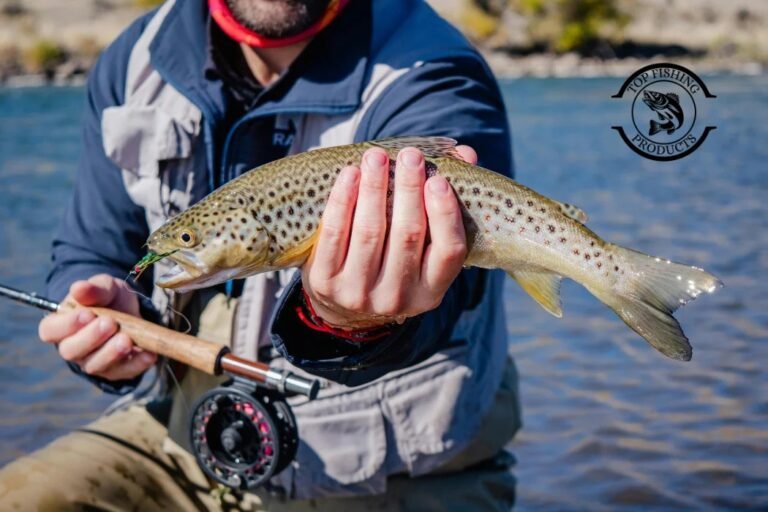
Fly fishing is often viewed as the most technical of the bunch, and that reputation is fairly earned. Instead of using weight to cast a bait or lure, fly fishing relies on the weight of the line itself, with a lightweight artificial fly attached to the end.
This method excels in rivers, streams, and lakes where fish feed on insects near or on the water’s surface. Trout, salmon, and panfish are common targets, although saltwater fly fishing for species like bonefish and redfish has also grown popular.
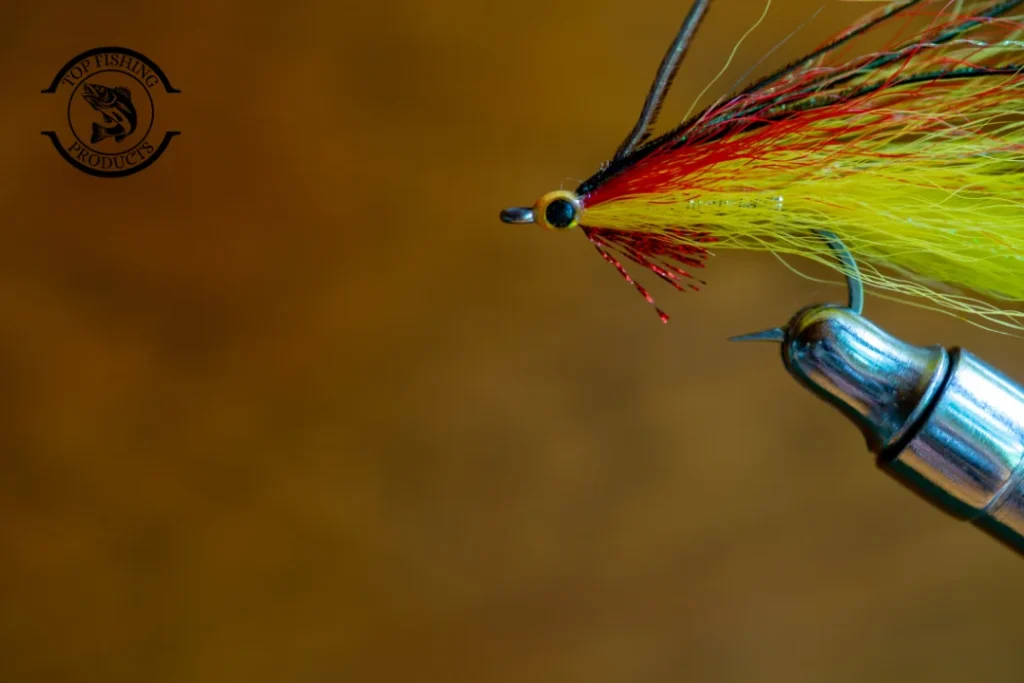
What makes fly fishing different is the emphasis on presentation. The fly needs to land naturally and drift the way a real insect would. Therefore, reading water currents and understanding insect hatches becomes just as important as casting skill. Many experienced fly anglers spend more time observing the water before making a single cast.
Beginners often struggle with casting accuracy at first, and that’s normal. The learning curve is steeper compared to spin fishing or bait fishing. However, once the basic casting motion is learned, fly fishing becomes one of the most rewarding methods, especially for anglers who enjoy a hands-on, skill-based approach.
This technique tends to underperform in murky or fast-moving water where fish can’t easily see the fly. It also requires more specialized gear, including a fly rod, fly line, and a selection of flies suited to local insect activity.
3. Spin Fishing
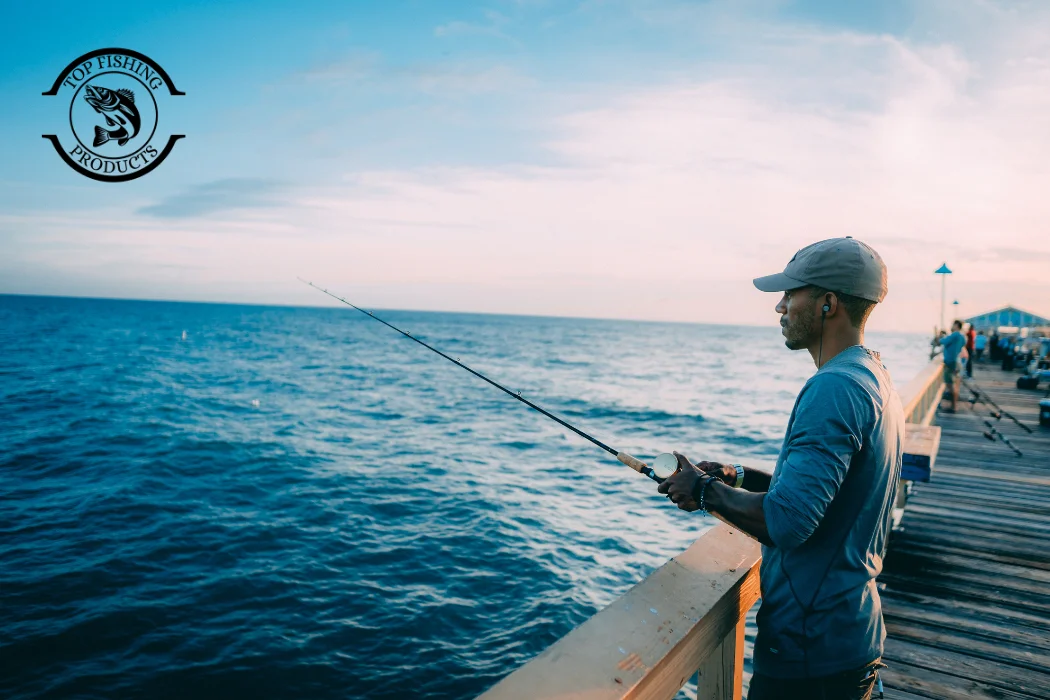
Spin fishing is the most commonly used method among recreational anglers, and it’s easy to understand why. The spinning reel is simple to operate, versatile, and works well for nearly any species in freshwater or saltwater.
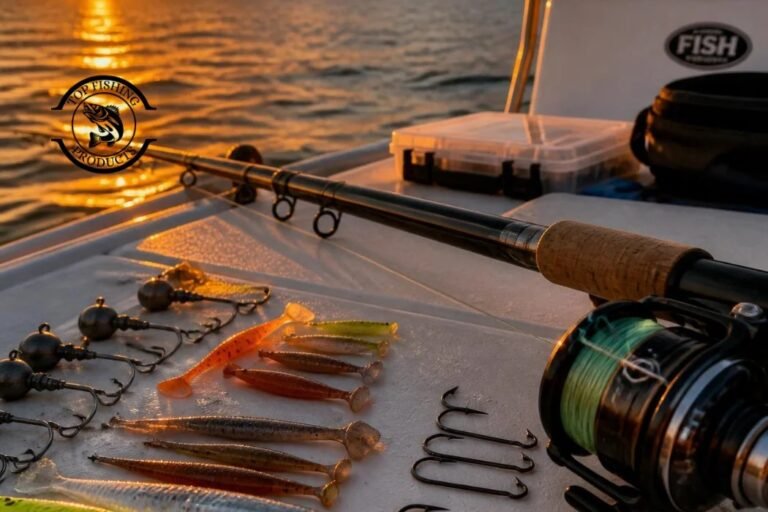
With spin fishing, lures or bait are cast out using a spinning rod and reel, then retrieved at varying speeds and depths to trigger strikes. Lures like spinnerbaits, soft plastics, crankbaits, and jigs are all commonly paired with this method.
One of the biggest advantages of spin fishing is adaptability. Anglers can cover large areas of water quickly, which is useful when searching for active fish. Meanwhile, the technique also allows for finesse presentations when fish are less aggressive, simply by slowing down the retrieve or switching to lighter lures.
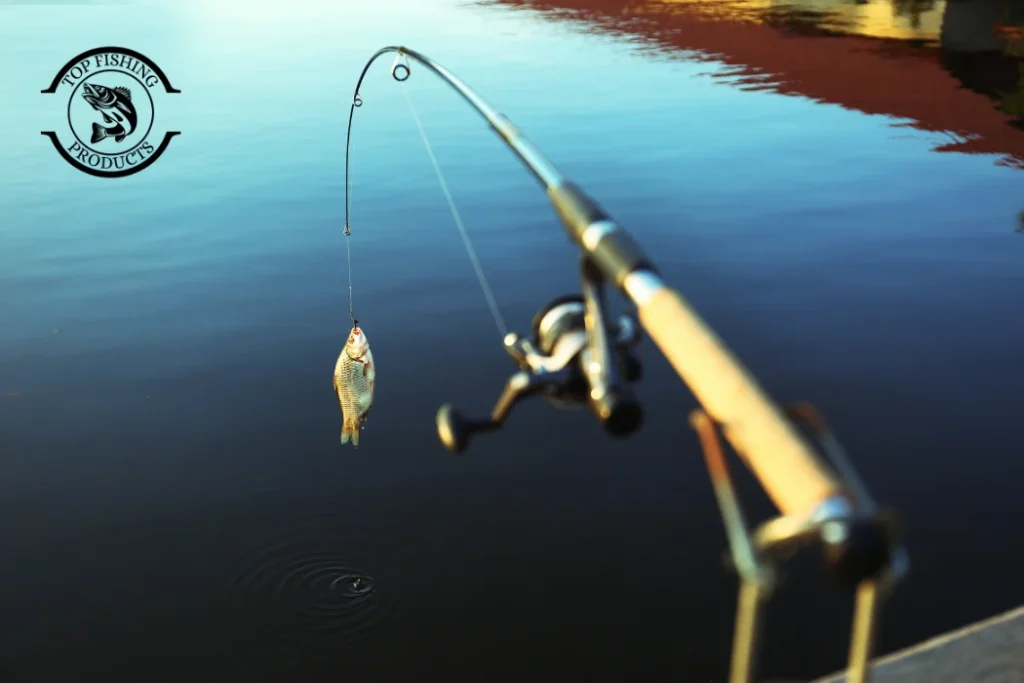
A frequent mistake among newer anglers is retrieving lures at a constant, predictable speed. Fish often respond better to varied retrieves, including pauses, twitches, and speed changes that mimic injured or fleeing prey. Adjusting retrieve style based on water temperature and fish activity often makes the difference between a slow day and a great one.
Spin fishing also works well in both clear and slightly murky water, making it one of the most flexible methods on this list. As a result, it’s often recommended as the best starting point for beginners learning common fishing techniques.
4. Trolling Fishing
Trolling involves dragging lures or baited lines behind a moving boat, covering large stretches of water in search of fish. This method is especially effective for targeting species that roam open water, such as salmon, walleye, lake trout, and many saltwater game fish.
Because trolling covers so much ground, it’s particularly useful when fish are scattered or when their exact location is unknown. Multiple lines can be set at different depths and distances, increasing the chances of finding where fish are holding.
Speed control plays a major role in trolling success. Too fast, and lures may spin unnaturally or fail to dive to the correct depth. Too slow, and they may not produce enough action to attract attention. Therefore, many anglers rely on planer boards, downriggers, or line counters to maintain precise depth and distance control.
Trolling tends to work best in larger lakes, reservoirs, and coastal waters where boat access is available. On the other hand, it isn’t practical for small ponds, narrow streams, or situations where shore fishing is the only option.
A common error among beginners is failing to vary trolling speed and depth throughout the day. Fish often move vertically based on temperature and light conditions, so sticking to one depth all day can lead to missed opportunities, especially during temperature transitions in early morning or late afternoon.
5. Bottom Fishing
Bottom fishing focuses on presenting bait or lures near the floor of a lake, river, or ocean, where many species spend most of their time feeding. This method is widely used for catfish, flounder, snapper, grouper, and other bottom-dwelling fish.
The technique typically involves using enough weight to keep the bait anchored near the bottom while allowing slight movement to attract attention. Sinker styles vary depending on current strength and bottom composition, ranging from simple split shots to heavier pyramid or bank sinkers in stronger currents.
This approach works particularly well in deeper water or areas with significant current, since surface and mid-water presentations often go unnoticed by bottom-feeding species. In addition, structure such as rock piles, drop-offs, and submerged debris tends to hold fish consistently, making bottom fishing a strong choice near these features.
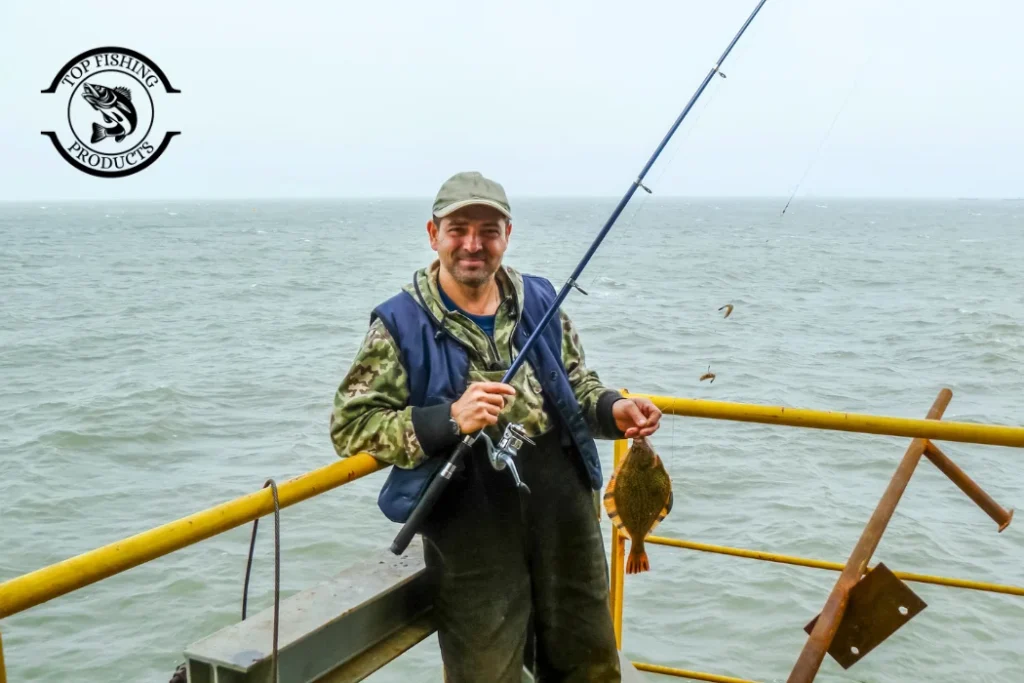
One challenge with bottom fishing is snagging on debris or rocky bottoms. Using the right sinker weight and rig style for the specific bottom type reduces lost tackle significantly. Anglers fishing unfamiliar water often benefit from starting with lighter weights and adjusting upward only as needed.
Bottom fishing tends to be a slower, more patient style of fishing. However, it consistently produces results in situations where other methods fail to reach feeding fish.
How to Choose a Fishing Method
Choosing between these five approaches depends on a few key factors: target species, water type, available equipment, and personal skill level.
| Method | Best For | Skill Level | Water Type |
| Bait Fishing | Catfish, panfish, bass | Beginner | Lakes, rivers, ponds |
| Fly Fishing | Trout, salmon, panfish | Advanced | Rivers, streams, clear lakes |
| Spin Fishing | Most freshwater/saltwater species | Beginner to intermediate | Versatile |
| Trolling | Salmon, walleye, lake trout | Intermediate | Large lakes, coastal waters |
| Bottom Fishing | Catfish, snapper, flounder | Beginner to intermediate | Deep water, strong current |
Beginners typically find the most success starting with spin fishing or bait fishing, since both methods are forgiving and don’t require specialized equipment. Anglers targeting open water species or covering large areas often turn to trolling, while those fishing structure-heavy or deep water environments benefit most from bottom fishing. Fly fishing, meanwhile, suits anglers who enjoy a more technical, hands-on approach and are willing to invest time into learning proper presentation
Final Verdict
There’s no universal answer to what are the top five fishing methods, because each one serves a different purpose. Bait fishing and spin fishing offer reliable starting points for beginners. Fly fishing rewards patience and skill. Trolling helps cover large water efficiently, and bottom fishing delivers results when fish are holding deep or near structure. The real key to success isn’t picking one method and sticking with it forever. It’s understanding the conditions in front of you and matching your technique accordingly. Once that connection becomes second nature, catching fish stops being a matter of luck and starts becoming a matter of preparation.