There’s a reason so many anglers got their start with a bobber, a worm, and a bucket full of bluegill. Learning how to go fishing for panfish is one of the easiest ways to spend an afternoon on the water, and it works whether you’re seven years old or seventy. Panfish don’t demand expensive gear, they don’t require a boat, and they bite often enough that nobody gets bored waiting around. This guide walks through everything you need. What panfish actually are, where they hide, when they’re most active, and what to tie on when you finally get to the water.
What Exactly Is a Panfish?
“Panfish” isn’t a single species. It’s a catch-all term for smaller freshwater fish that fit nicely in a frying pan, which is exactly where the name comes from. Bluegill, crappie, yellow perch, sunfish, and rock bass all fall under this label. Some anglers also include smaller catfish or white bass in the mix, depending on the region.
These fish share a few traits that make them beginner-friendly. They’re aggressive feeders, they school together in predictable spots, and they rarely require the finesse tactics that bass or walleye demand. As a result, a new angler can catch a dozen panfish in the time it might take to catch a single bass.
Where to Find Panfish
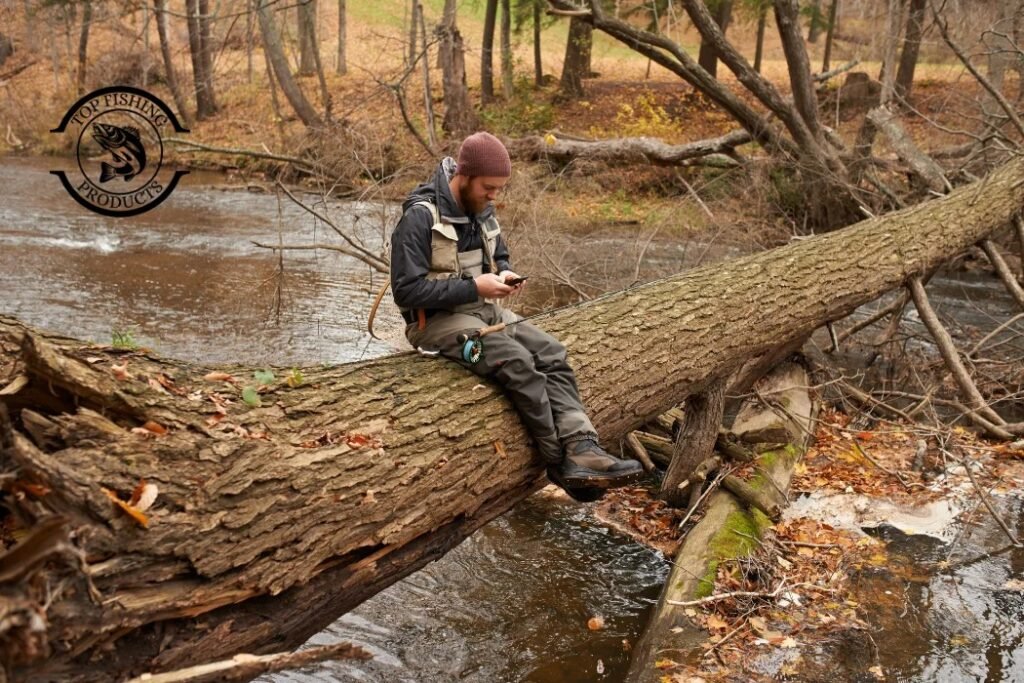
Knowing where to find panfish is really about understanding structure and cover. Panfish are homebodies. They don’t roam open water like some predatory species; instead, they hold near something that offers shelter or food.
Look for Structure First
Docks, fallen trees, weed beds, and rock piles are magnets for panfish. Bluegill and sunfish especially love shallow cover where insects and small baitfish gather. Crappie, on the other hand, tend to suspend near deeper brush piles or standing timber, particularly once the water warms up.
A good rule of thumb: if a spot looks like something could hide in it, a panfish probably already has. Similarly, any transition zone, such as where a weed bed meets open water or a shallow flat drops into a channel, tends to hold fish because it offers them both food and an escape route.
Ponds, Lakes, and Slow Rivers
Panfish thrive in almost any still or slow-moving freshwater. Farm ponds are often loaded with bluegill because the fish reproduce quickly and have few predators. Larger lakes hold bigger populations spread across more habitat, so locating them takes a bit more effort. Meanwhile, slow rivers and backwater sloughs can also hold surprising numbers of panfish, especially in eddies where the current slows down.
If you’re fishing a lake for the first time, start near any visible cover close to shore. Docks are particularly productive because they provide shade, which panfish use to avoid bright sunlight. On the other hand, if the shoreline looks bare and featureless, it’s often worth moving to a spot with more visual interest.
When to Fish for Panfish
Timing plays a bigger role than most beginners expect. When to fish for panfish depends on both the season and the time of day, and getting this right can be the difference between a slow morning and a cooler full of fish.
Best Time of Day
Early morning and late afternoon into evening are usually the most productive windows. Panfish feed more actively during these low-light periods because insects are more active and the fish feel safer moving into shallower water. That said, cloudy days can extend this activity well into the middle of the day, since the reduced light mimics dawn or dusk conditions.
Midday fishing isn’t hopeless, though. It just means shifting your approach. During bright, sunny afternoons, panfish often retreat to deeper water or tuck under heavy shade, so fishing docks, undercut banks, or deeper brush piles tends to work better than casting into open shallows.
Best Season for Panfish
Spring is widely considered the best time to catch panfish, especially during the spawn. As water temperatures climb into the mid-60s, bluegill and sunfish move into shallow water to build nests, and they become extremely aggressive toward anything that gets close. This is often the easiest time of year for a beginner to catch fish consistently.
Summer fishing is still productive, but the fish tend to scatter and hold deeper during the hottest parts of the day. Fall brings another strong bite as fish feed heavily before winter, often schooling in tighter groups. Even winter fishing through the ice can be excellent, since panfish remain active under the surface long after other species slow down.
Panfish Gear: Keeping It Simple
One of the best things about panfish gear is how little of it you actually need. This isn’t a sport that rewards expensive equipment. In fact, overly heavy gear can work against you.
Rod and Reel
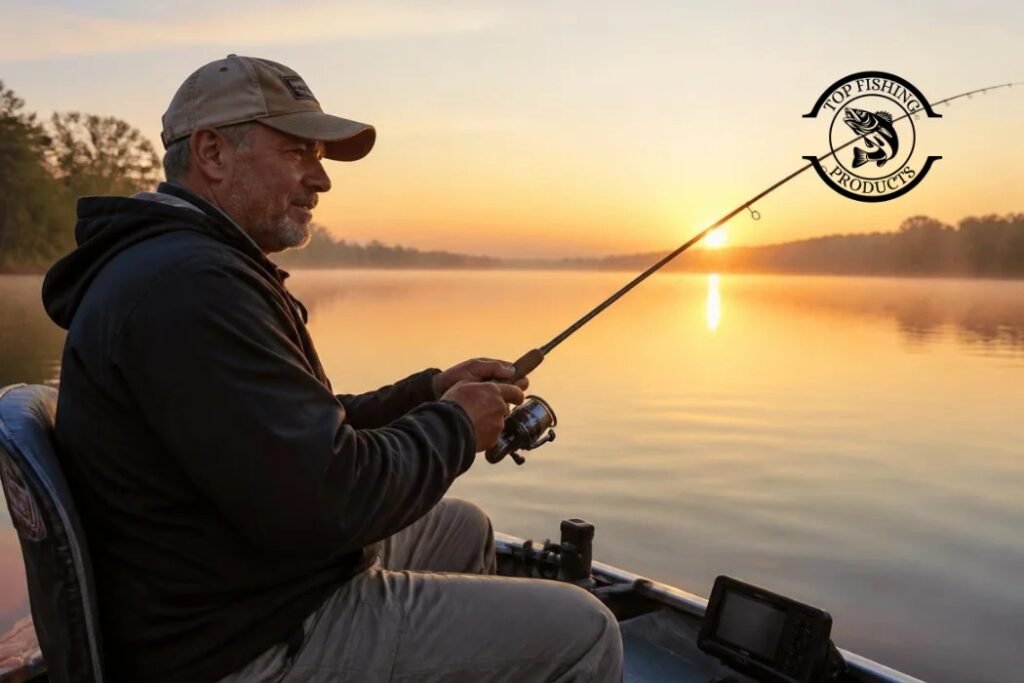
A light or ultralight spinning rod paired with a small spinning reel is the standard setup. Something in the 5- to 6.5-foot range offers enough sensitivity to feel light bites while still having some backbone to set the hook. Heavier rods, by contrast, make it hard to feel the subtle taps panfish are known for.
Line
Four- to six-pound test monofilament is the go-to choice for most panfish situations. It’s thin enough to stay nearly invisible in clear water, yet strong enough to handle an occasional larger crappie or perch. Some anglers prefer light fluorocarbon for its lower visibility, though monofilament floats better, which helps when using a bobber.
Hooks and Terminal Tackle
Small hooks, typically sizes 6 to 10, match the small mouths of most panfish. A basic bobber and split shot setup remains one of the most effective ways to present bait at a specific depth. This simplicity is part of the appeal; there’s no need to master complicated rigging before catching fish.
Panfish Bait & Lures
When it comes to panfish bait & lures, natural bait and small artificial lures both work well, and many anglers carry both.
Live Bait Options
Worms, particularly nightcrawlers cut into smaller pieces, are a classic choice. Waxworms and mealworms also produce well, especially for bluegill and sunfish. Crickets can be deadly in the summer months, and minnows work particularly well for crappie and perch, which are more predatory than their sunfish cousins.
Artificial Lures
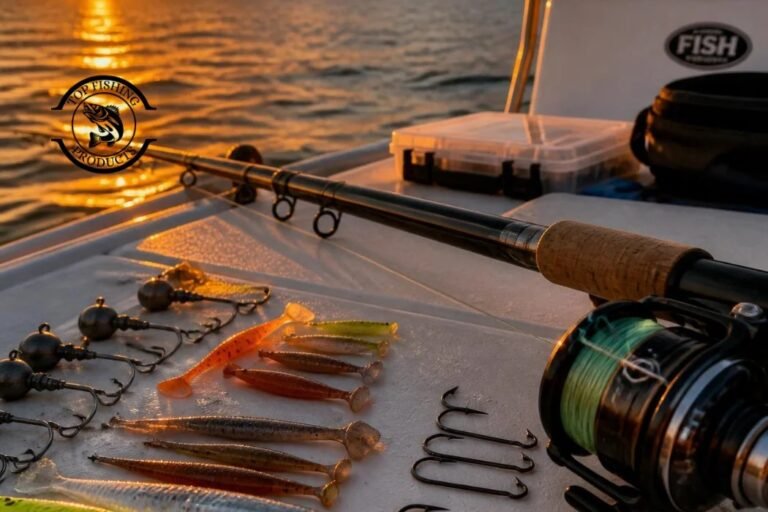
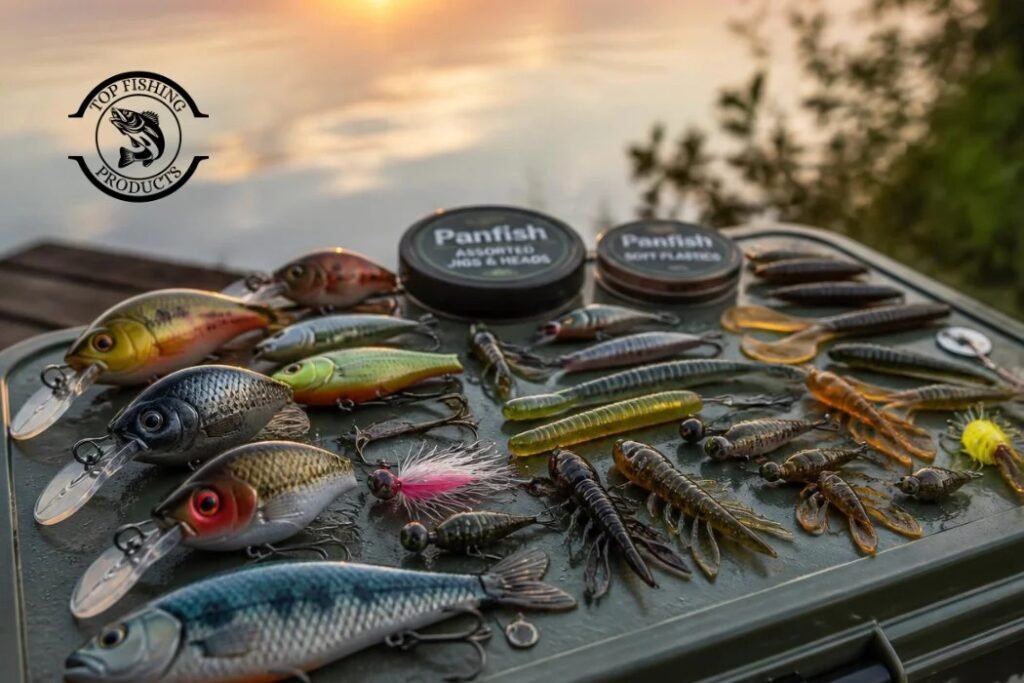
Small jigs in the 1/32 to 1/16-ounce range, tipped with soft plastic bodies, imitate the small insects and baitfish panfish naturally target. Tiny spinners can also trigger reaction strikes, especially around spawning beds when fish are guarding territory rather than actively feeding. In addition, small ice jigs work surprisingly well in open water during spring and fall when fish are holding tight to cover.
Presentation Matters
However, the bait or lure itself isn’t the only factor. Depth control often matters more than exact bait selection. A bobber set too shallow or too deep will miss fish holding at a specific level in the water column. Adjusting depth in small increments, sometimes just six inches at a time, can turn a slow day into a productive one.
Reading the Water Like an Experienced Angler
Beyond knowing where and when to fish, learning to read subtle clues in the water separates casual anglers from consistent ones. Active birds are often a sign that baitfish are nearby, and where baitfish gather, panfish usually aren’t far behind. Likewise, small ripples or surface rings on calm water often indicate that fish are feeding on insects near the surface.
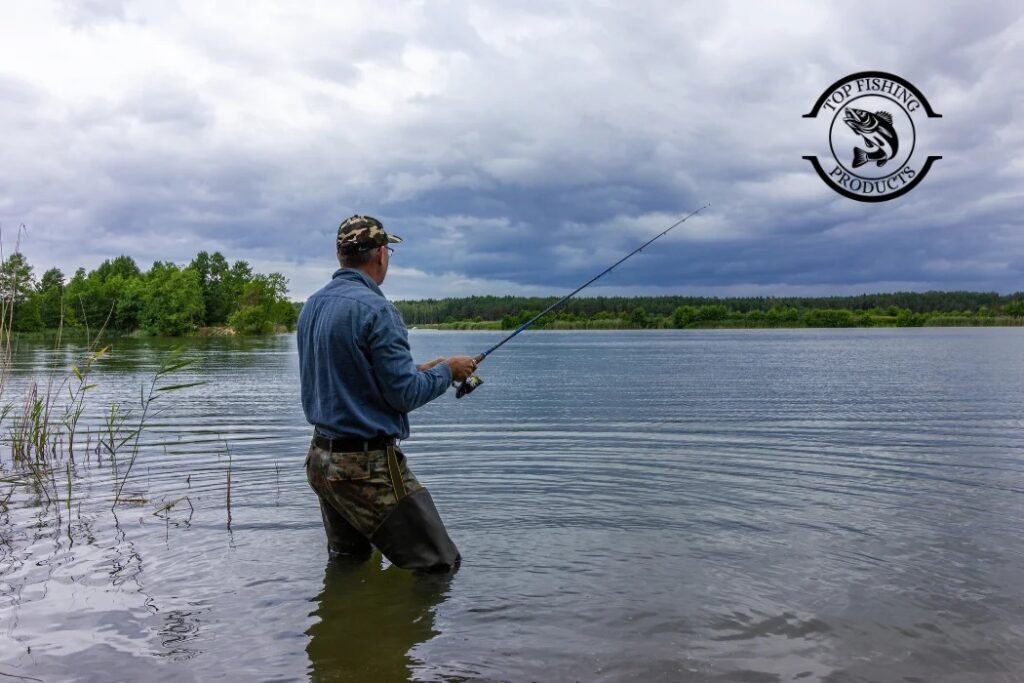
Water clarity also affects strategy. In murky water, brighter colored lures or scented bait help fish locate your offering. In clear water, natural colors and finesse presentations tend to produce better results, since panfish can be more cautious when visibility is high.
Common Mistakes Beginners Make
Even with simple gear and eager fish, a few habits can slow down a day of panfishing. Fishing too fast is one of the most common issues; many anglers reel in and recast before giving the bait enough time to sit near cover. On the other hand, some anglers make the opposite mistake and leave bait sitting far too long in unproductive water without adjusting position.
Using hooks or bait that are too large is another frequent problem. Panfish have small mouths, and oversized bait often results in missed bites rather than solid hooksets. Finally, ignoring depth adjustments, as mentioned earlier, causes many anglers to fish just above or below where the fish are actually holding.
Final Verdict
Panfish fishing rewards patience without demanding perfection, which is exactly why it remains such a popular entry point into the sport. Once you understand the basics, learning how to go fishing for panfish becomes less about mastering complicated techniques and more about paying attention to structure, timing, and depth. Start simple, stay observant, and adjust as you go. The fish, more often than not, will do the rest.
Frequently Asked Questions
What’s the easiest panfish to catch?
Bluegill are often the easiest fish to catch, especially during the spring spawn when they aggressively protect their nesting beds.
Do panfish bite at night?
Some species, particularly crappie, can bite well after dark, especially under a light source that attracts insects and baitfish.
Can you catch panfish without a boat?
Absolutely. Docks, shorelines, and small ponds all offer excellent bank fishing opportunities for panfish.
What’s the best all-around bait for panfish?
A small piece of nightcrawler under a bobber remains one of the most reliable and versatile choices across seasons and species.