There’s a moment every trout angler knows well. You feel a soft tap on the line, you lift the rod to set the hook, and then… nothing. The fish is gone, the bait is gone, and you’re left wondering what went wrong. Nine times out of ten, it wasn’t your cast or your patience. It was the hook tied to the end of your line.
Trout aren’t hard to fool, but they are picky about what goes in their mouth. They have small, soft mouths compared to bass or pike, and they’re quick to spit out anything that feels wrong. Getting the hook right, meaning the size, the shape, and the style, is one of the simplest ways to turn more bites into fish in the net. This guide walks through everything that matters when choosing the best fishing hooks for trout, from sizing to hook types to matching your hook to your bait.
Why Hook Choice Matters More Than Most Anglers Think
Many anglers spend hours picking the right rod, reel, and line, then grab whatever hook happens to be in the tackle box. That’s a mistake. Trout feed carefully. They mouth-bait before committing to it, and a hook that’s too big, too heavy, or poorly shaped will be felt and rejected before you ever get a chance to set it.
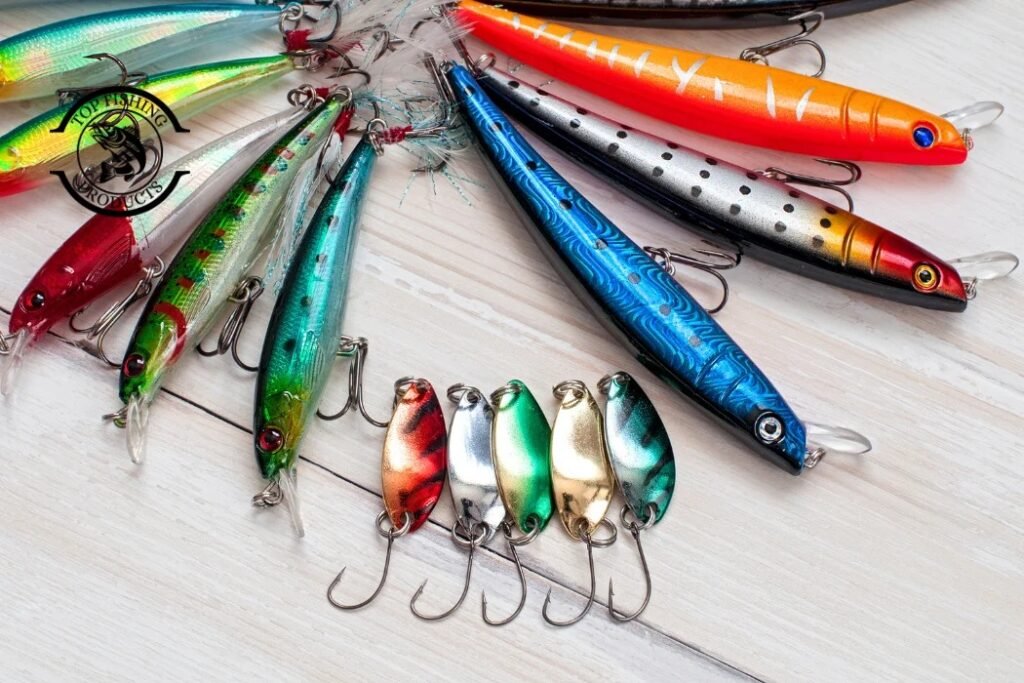
On the other hand, a hook that matches the bait and the fish disappears in the trout’s mouth. The fish commits, you get a solid hookset, and you land more of the fish that bite. This is the core idea behind hook selection for trout fishing: match the hook to the situation rather than using one size for everything.
Understanding Trout Hook Sizes
Hook sizing confuses a lot of new anglers because the numbering system runs backward. For hooks sized by number, like a size 6 or a size 14, the larger the number, the smaller the hook. A size 14 hook is tiny. A size 6 hook is noticeably bigger. This changes once you cross into the “aught” sizes, written as 1/0, 2/0, and so on, where the numbers get bigger as the hook gets bigger. Most trout fishing never needs an aught-sized hook, but it helps to know the system exists.
For general trout fishing, hook sizes between 8 and 14 cover almost every situation you’ll run into. Smaller stream trout and light baits call for the smaller end of that range, while bigger lakes, larger bait, and trophy-sized trout call for the larger end. A useful rule for beginners: start small. A trout can’t grab a hook that’s too big, but it can easily take one that’s on the small side, especially with soft baits like PowerBait or salmon eggs.
Here’s a simple breakdown to keep in your tackle box:
- Size 14-16: Best for tiny baits like single salmon eggs or small dough baits, and ideal for small stream trout.
- Size 10-12: The most versatile range, works well with PowerBait, worms cut in half, and average-sized stocked trout.
- Size 8-10: Suited for whole nightcrawlers, larger minnows, and bigger lake or river trout.
- Size 6-8: Reserved for large baits or when targeting bigger trout species like lake trout or trophy browns.
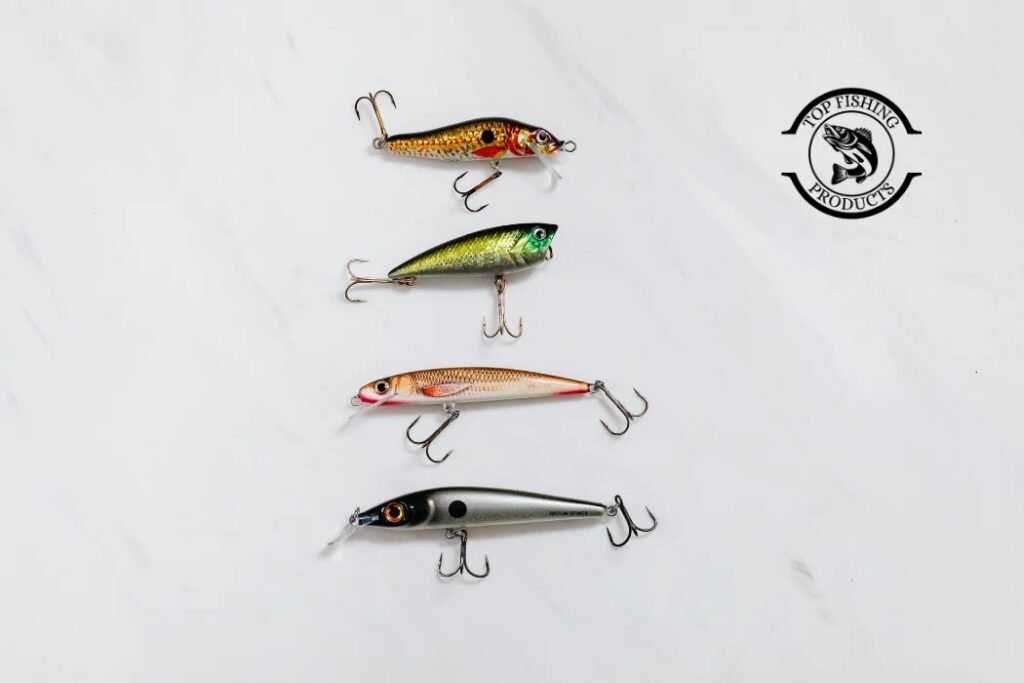
Keep in mind that these ranges overlap on purpose. Fishing conditions change from one stream to the next, so having a few sizes on hand instead of committing to just one gives you the flexibility to adjust on the spot.
Hook Size for Different Trout Baits
The bait you’re using should drive your hook size more than anything else. A hook that’s too large will stick out of soft bait and spook wary trout, while one that’s too small won’t hold heavier bait securely through a cast.
PowerBait and dough baits work best with a size 10 to 14 hook. These baits are molded into small, soft balls, so the goal is to bury the hook inside the bait as much as possible while still leaving the point exposed enough for a clean hookset.
Salmon eggs call for something even smaller, usually a size 12 to 16 egg hook. Egg hooks have a short shank and a wide, rounded bend built specifically to hide inside a single egg without breaking it.
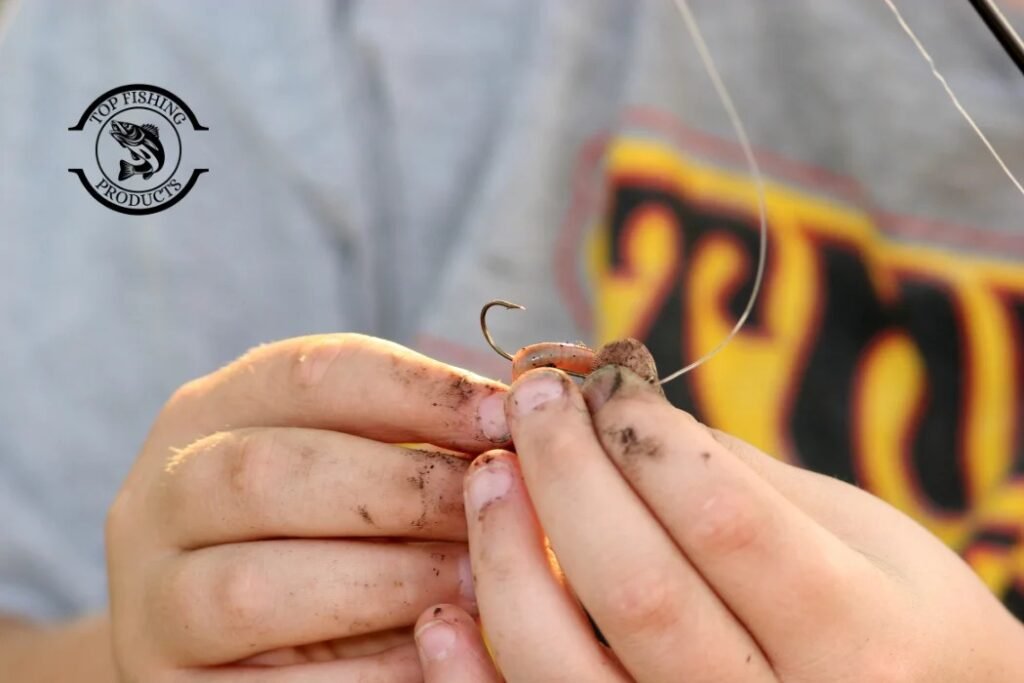
Nightcrawlers and worms need more coverage, so a size 8 to 10 hook threaded through the worm gives you enough hook exposed to set solidly while still leaving movement in the bait.
Minnows and small baitfish generally pair with a size 6 to 10 hook, depending on the minnow’s size. A hook that’s too small here often results in short strikes, where the trout grabs the tail of the bait but misses the hook entirely.
Corn, marshmallows, and cheese baits are light and small, so they pair naturally with a size 12 to 14 hook, similar to what you’d use with dough baits.
Trout Fishing Hook Types
Beyond size, the shape and style of the hook change how it performs. Not every hook is designed for the same job, and understanding the differences helps you pick the right one for the bait, technique, and water you’re fishing.
Single Hooks for Trout
A single hook is the standard choice for most trout anglers, and for good reason. It’s simple, reliable, and does less damage to the fish, which matters if you plan to release what you catch. Single hooks come in a few common shapes:
- Bait hooks have a slightly longer shank, which makes them easy to thread bait onto and easy to remove from a fish’s mouth.
- Egg hooks have a short shank and wide gap, built to sit inside small round baits like salmon eggs.
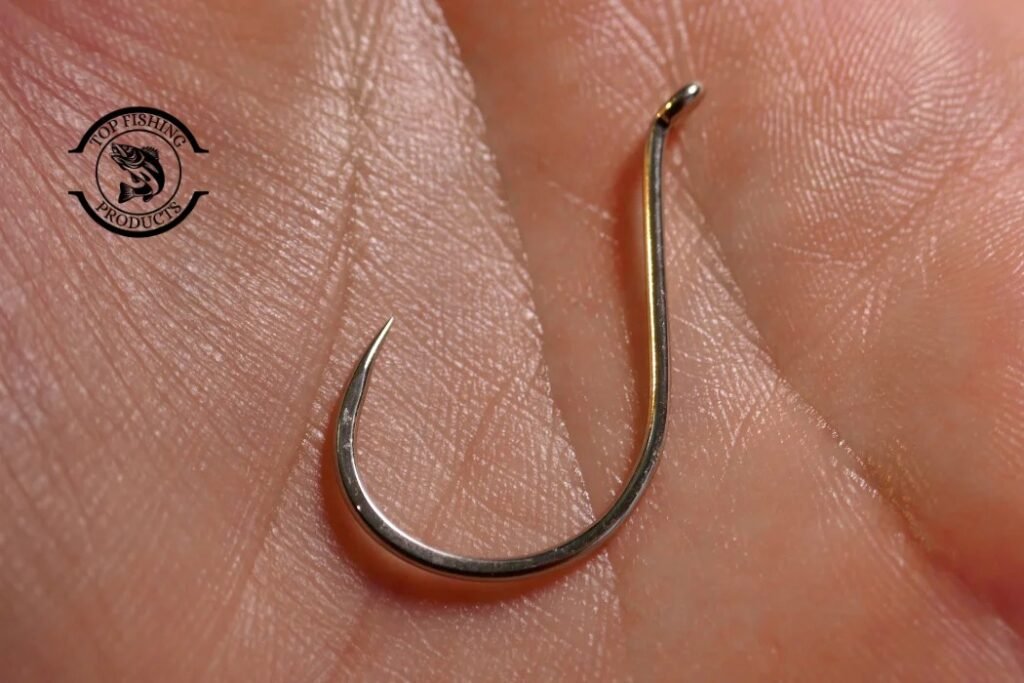
- Circle hooks curve inward at the point, so the hook slides into the corner of the trout’s mouth as it swims away rather than deep into its throat. These are excellent for catch-and-release fishing since they rarely gut-hook a fish.
Treble Hooks for Trout
Treble hooks have three points instead of one, and anglers often reach for them when fishing with dough baits like PowerBait. The extra points help the bait stay attached through the cast and give trout more metal to find when they strike. However, treble hooks tend to cause more injury to fish, and many fisheries actually restrict or ban them in catch-and-release areas. Before tying one on, it’s worth checking your local fishing regulations.
Barbless Hooks for Trout
Barbless hooks for trout have grown more popular, especially among anglers who release most of what they catch. Without a barb, the hook slides out cleanly and quickly, cutting down on the time a fish spends out of water and reducing injury. Some regions require barbless hooks by law in certain trout waters, so it’s always smart to check the rules before you head out. If you’re using a barbed hook and plan to release your catch, you can flatten the barb yourself with a pair of pliers.
Matching Hooks to Fishing Technique
The way you’re fishing also shapes which hook makes sense.
For bait fishing under a bobber or on the bottom, a single bait hook or egg hook in the size 10 to 14 range is the standard setup. This style of fishing gives trout time to mouth the bait, so a smaller, well-hidden hook increases your hookup rate.
For spinning and lure fishing, the hook is usually already attached to the lure, but it’s worth checking the factory hooks on cheaper lures. Swapping a dull or oversized treble for a sharp, appropriately sized replacement often improves hookup rates dramatically.
For fly fishing, hook sizing works on its own scale tied to the fly pattern rather than the fish, and most trout flies run from size 10 down to size 22 for tiny midge patterns. This falls outside the scope of bait and lure fishing, but it’s worth mentioning since many trout anglers eventually try both.
Hook Material and Sharpness
A hook’s size and shape only matter if the point is sharp. Trout have thin, somewhat delicate mouths, and a dull hook will bounce off rather than sink in. Before a trip, run your fingernail lightly across the hook point. If it catches and doesn’t slide, it’s sharp enough to fish. If it slides smoothly, it needs sharpening or replacing.
Material matters too. Thinner wire hooks penetrate more easily and cause less damage to a trout’s mouth, which is part of why many experienced anglers favor fine-wire hooks over heavier ones. The tradeoff is that fine wire can bend under too much pressure, so it pairs best with lighter line and a smoother drag rather than heavy tackle.
Common Mistakes When Choosing a Trout Hook
A few habits trip up even experienced anglers:
- Using one hook size for everything. Trout fishing changes from lake to lake and bait to bait, so carrying a small assortment of sizes from 8 to 14 solves most problems before they start.
- Ignoring local regulations. Some trout waters require barbless hooks or restrict treble hooks entirely, particularly on catch-and-release stretches.
- Oversizing the hook for the bait. A hook that’s visibly bigger than the bait almost always gets rejected by cautious trout.
- Fishing with a dull point. Even the right hook won’t set well if the point has gone dull from rocks, previous fish, or just time in the tackle box.
Final Verdict
Choosing the best fishing hooks for trout comes down to matching size and style to your bait, your technique, and the water you’re fishing. A size 10 or 12 single hook covers most everyday situations, while smaller sizes suit delicate baits like eggs and dough, and larger sizes handle bigger bait or bigger fish. Barbless and single hooks are worth keeping on hand if you release what you catch, while treble hooks have their place with certain baits as long as local rules allow them. Keep a small variety in your tackle box, check that every point is sharp before you cast, and the rest of your trout fishing setup will fall into place naturally.
Frequently Asked Questions
What is the best all-around hook size for trout?
A size 10 or 12 hook handles the widest range of situations, from PowerBait to worms, and works for most average stocked trout.
Are barbless hooks less effective than barbed hooks?
Not really. A sharp barbless hook sets just as well as a barbed one; it simply comes out more easily, which helps if you’re releasing fish.
Should I use treble or single hooks for trout?
Single hooks are gentler on fish and are the better default choice, especially for catch-and-release. Treble hooks can improve bait retention but tend to cause more harm and are banned in some areas.
Do bigger trout always need bigger hooks?
Not necessarily. Bigger trout still have relatively small mouths, so the bait size usually matters more than the fish’s overall size when choosing a hook.