Redfish are among the most rewarding inshore species to chase, but showing up with the wrong gear will cost you fish. These copper-colored bruisers pull hard, run into structure, and can shred tackle that isn’t built for the job. Getting your redfish fishing gear dialed in matters more than most anglers realize, especially if you’re new to marsh flats, oyster bars, or grass beds. This guide breaks down exactly what you need, why it works, and how to set it up so you’re not guessing on your next trip.
Why Redfish Demand Specific Gear
Redfish aren’t picky eaters, but they are tough fighters. A slot-size red in the 20 to 27 inch range can still peel drag and bury your line in a sudden burst of speed. Larger bull reds, often found near passes and deeper channels, hit even harder. Because of this, tackle that works fine for trout or flounder can fall apart under redfish pressure.
Also, redfish spend a lot of time around structure. They root through oyster beds, hide near dock pilings, and cruise grass flats where they can bury your line in seconds. Your redfish tackle setup needs enough backbone to turn a fish before it reaches cover, yet enough sensitivity to feel subtle bites in skinny water.
Choosing the Right Rod for Redfish
A medium to medium-heavy rod is the sweet spot for most redfish situations. This range gives you enough power to set the hook and control a fighting fish, while still allowing you to feel light bites when a red is picking up a bait off the bottom.
Rod length also plays a role. A 7-foot rod is a solid all-around choice for casting distance and leverage. However, if you’re fishing tight spaces around docks or mangroves, a shorter rod in the 6.5-foot range can give you better accuracy and control.
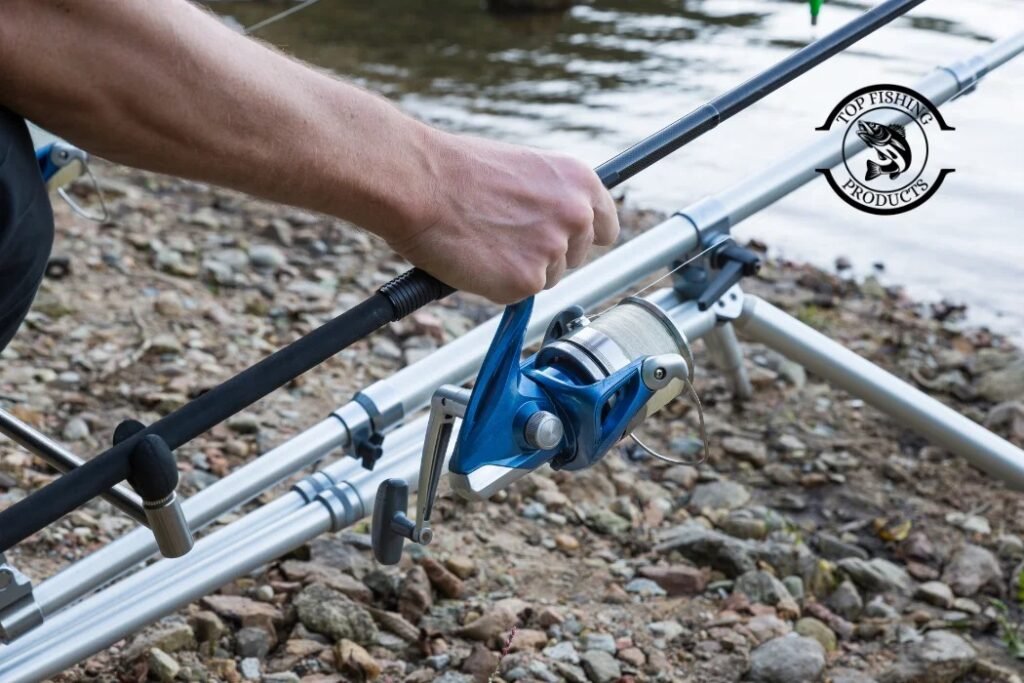
For rod action, fast action rods are generally preferred. They load quickly, which helps with hook sets, and they recover fast enough to handle sudden runs. A rod built with a sensitive tip but a strong backbone is exactly what redfish fishing rod and reel combos should aim for.
What to Look for in Rod Material
Graphite rods are lighter and more sensitive, making them a favorite for anglers who fish soft plastics or live bait on light lines. Fiberglass rods, on the other hand, are more forgiving and durable, which some anglers prefer for topwater plugs or when fishing with treble hooks, since the softer tip helps prevent pulled hooks during a fight.
Picking a Reel That Can Handle the Fight
For most inshore redfish fishing, a 3000 to 4000 size spinning reel hits the right balance. This size holds enough line for long runs, while still being light enough to fish all day comfortably. Baitcasting reels work too, especially for anglers who want more casting accuracy with heavier lures, but spinning gear tends to be more forgiving for beginners.
A smooth, reliable drag system is non-negotiable. Redfish make sudden, powerful runs, and a jerky or weak drag can snap your line or pull a hook free. Look for reels with sealed drag systems, since saltwater and sand can quickly corrode cheaper components. In addition, a reel with a higher gear ratio, somewhere around 6.0:1 or higher, helps you take up slack line quickly when a red charges toward the boat.
Redfish Fishing Line: What Actually Works
Braided line has become the standard choice for redfish fishing line, and for good reason. Braid has almost no stretch, which means better hook sets and more sensitivity to detect light bites. It also has a thinner diameter compared to monofilament of the same strength, so you can spool more line and cast farther. A 10 to 20 pound braid covers most inshore situations well
That said, braid isn’t invisible in clear water, so a fluorocarbon leader is essential. Fluorocarbon has a refractive index close to water, making it far less visible to fish. A leader in the 20 to 30 pound range is typical, though heavier leaders may be needed around oyster bars or barnacle-covered structure that can fray lighter line instantly.
Some anglers still prefer straight monofilament, especially in murky water where visibility matters less. Monofilament also has more stretch, which can act as a shock absorber during aggressive strikes. This makes it a reasonable choice for topwater fishing, where a hard-set hook set could otherwise pull the lure away from the fish too fast.
Redfish Hooks: Getting the Right Style and Size
Choosing the correct redfish hooks depends heavily on your bait and rig style. For live or cut bait fished on the bottom, circle hooks in sizes 2/0 to 5/0 are the go-to option. Circle hooks reduce gut-hooking and tend to hook fish cleanly in the corner of the mouth, which is better for catch-and-release.
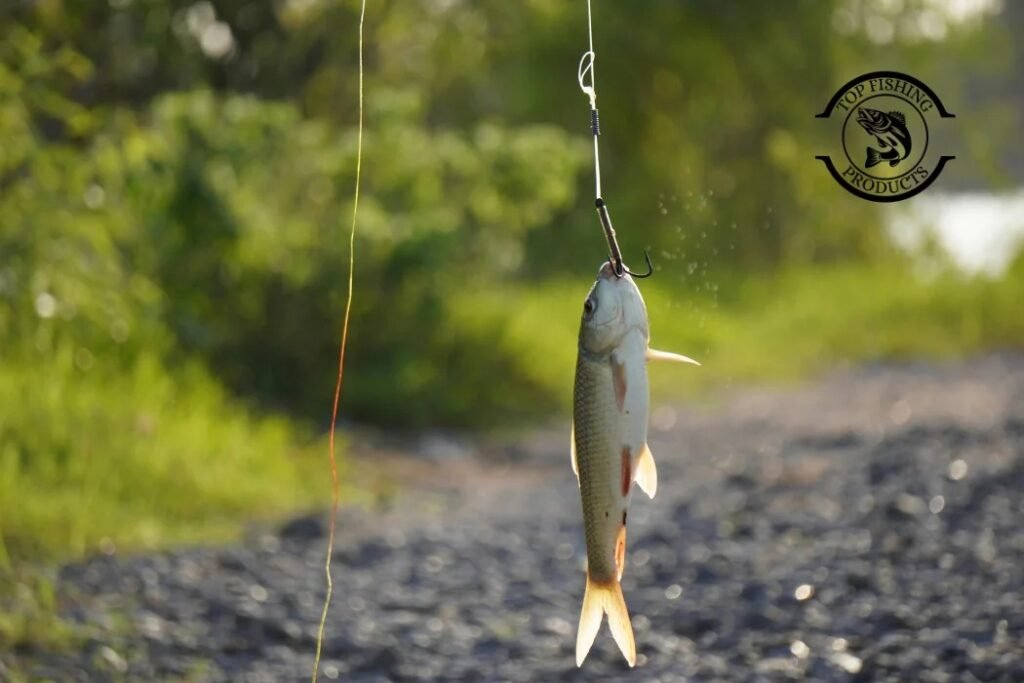
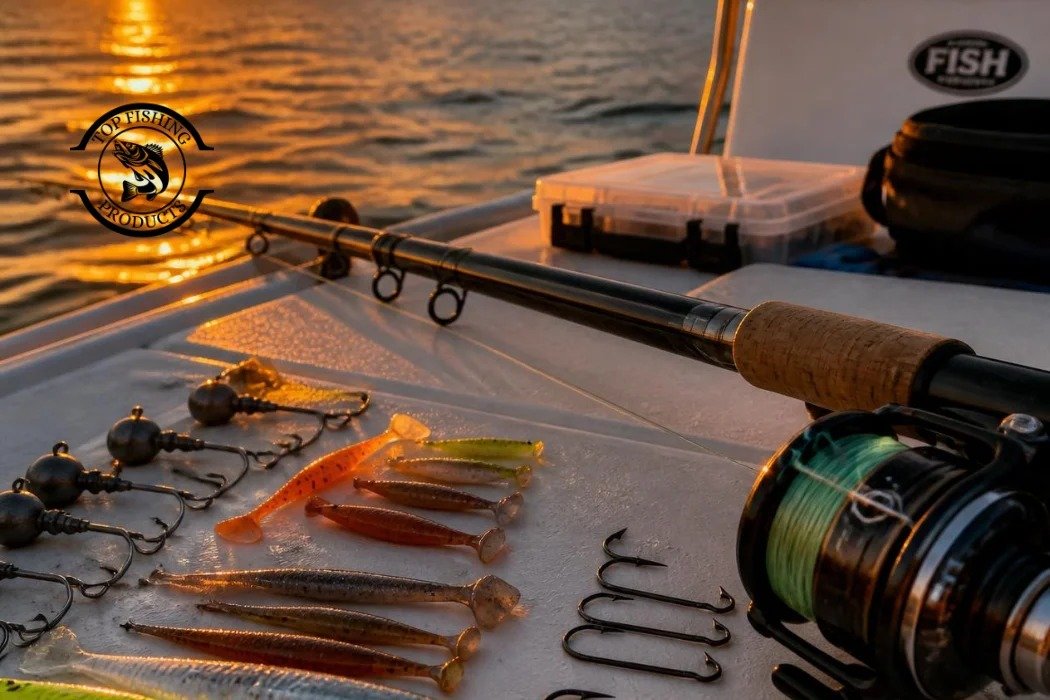
For soft plastics, a weighted or unweighted jig head works well, typically in the 1/8 to 1/4 ounce range depending on water depth and current. Meanwhile, if you’re throwing topwater plugs, treble hooks come standard, though many anglers swap them for stronger saltwater-rated trebles since stock hooks can bend under pressure.
As a result, having a small selection of hook styles and sizes in your tackle box gives you the flexibility to adjust based on conditions instead of forcing one setup to work everywhere.
Building a Complete Redfish Gear for Inshore Fishing Setup
A dependable inshore setup usually looks something like this:
- Rod: 7-foot, medium to medium-heavy, fast action
- Reel: 3000-4000 size spinning reel with a sealed drag
- Main line: 10-20 pound braid
- Leader: 20-30 pound fluorocarbon, 2-3 feet long
- Hooks: Circle hooks for bait, jig heads for soft plastics
- Terminal tackle: A small selection of split shot or egg weights for current
This combination handles most flats, marsh, and dock situations without needing multiple rods rigged differently. On the other hand, if you’re specifically targeting bull reds near passes or structure, stepping up to heavier line and a stronger rod is worth considering.
Lures and Bait That Pair Well With Your Setup
Soft plastic paddle tails, jerk baits, and shrimp imitations are productive year-round and pair naturally with a jig head setup. Gold spoons are another classic choice, especially in grass flats where their flash draws strikes even in murky water.
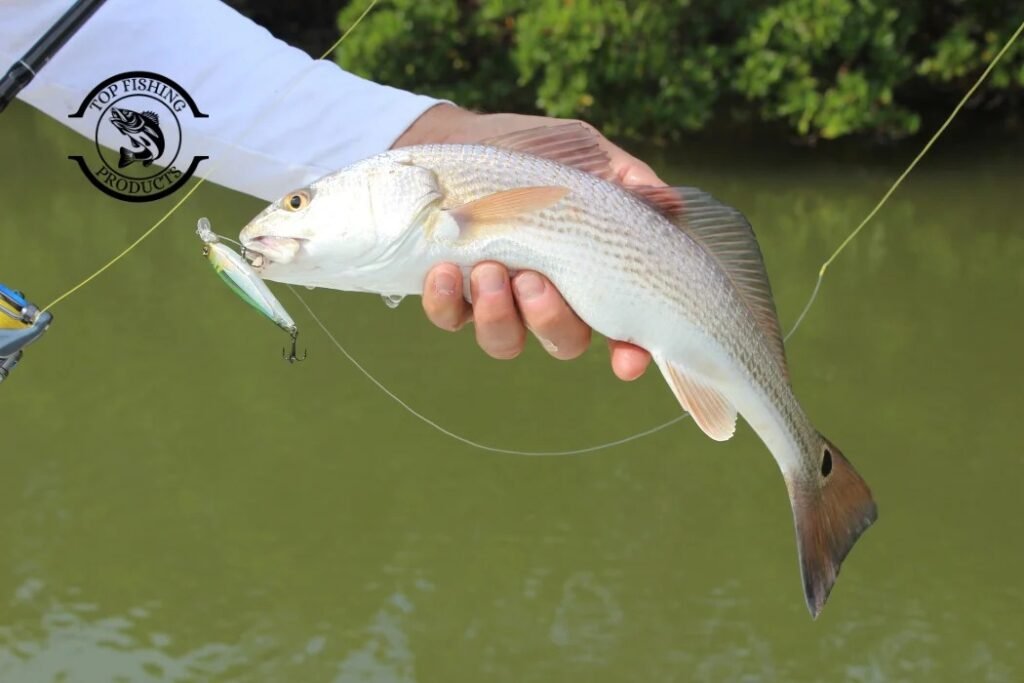
For bait fishing, live shrimp, finger mullet, and cut bait fished on a fish finder rig are hard to beat. Similarly, topwater plugs can produce explosive strikes early in the morning or late in the evening when redfish are actively feeding near the surface.
Common Mistakes Anglers Make With Redfish Gear
Many beginners use line that’s too light, thinking finesse is always better. However, this often results in break-offs when a red runs into oyster beds or dock pilings. Others skip the fluorocarbon leader entirely, which can spook fish in clear, shallow water.
Another common issue is using a drag that’s set too tight. This increases the risk of pulled hooks or snapped line during sudden runs. Setting your drag to roughly one-third of your line’s breaking strength gives you enough resistance to tire the fish without overpowering your tackle.
Final Verdict
Dialing in the right fishing gear for redfish comes down to matching your rod, reel, line, and hooks to the conditions you’re actually fishing. A medium-heavy rod paired with a smooth-drag spinning reel, braided main line, and a fluorocarbon leader will cover the vast majority of inshore situations you’ll encounter. From there, small adjustments in hook size, leader strength, or lure choice can be made based on water clarity, structure, and the size of fish you’re targeting. Once your setup is dialed in, you’ll spend less time worrying about broken lines and more time enjoying the fight.
Frequently Asked Questions
What size rod is best for redfish? A 7-foot, medium to medium-heavy rod works well for most inshore redfish fishing, offering a good mix of casting distance and fighting power.
Do you need a leader for redfish fishing? Yes, a fluorocarbon leader is strongly recommended, especially in clear water, since it’s far less visible to fish than braided line.
What is the best line for redfish? Braided line in the 10-20 pound range is the most popular choice, paired with a fluorocarbon leader for reduced visibility.
What hooks are best for redfish? Circle hooks in the 2/0 to 5/0 range work well for bait fishing, while jig heads are better suited for soft plastics.