Black sea bass are one of the most reliable fish along the Atlantic coast, and that reputation is well earned. They live around structure, they bite hard, and they rarely make an angler wait around all day for action. If you are learning how to fishing for black seabass, the good news is that the basics are simple enough for a beginner to pick up in a single trip, yet there is enough nuance to keep experienced anglers coming back for more.
This guide walks through where these fish live, what they eat, the gear that works best, and the small details that separate a slow day from a cooler full of fish. Along the way, we will also cover rod and reel choices, seasonal patterns, chumming, and a few mistakes that trip up newcomers.
Getting to Know Black Sea Bass
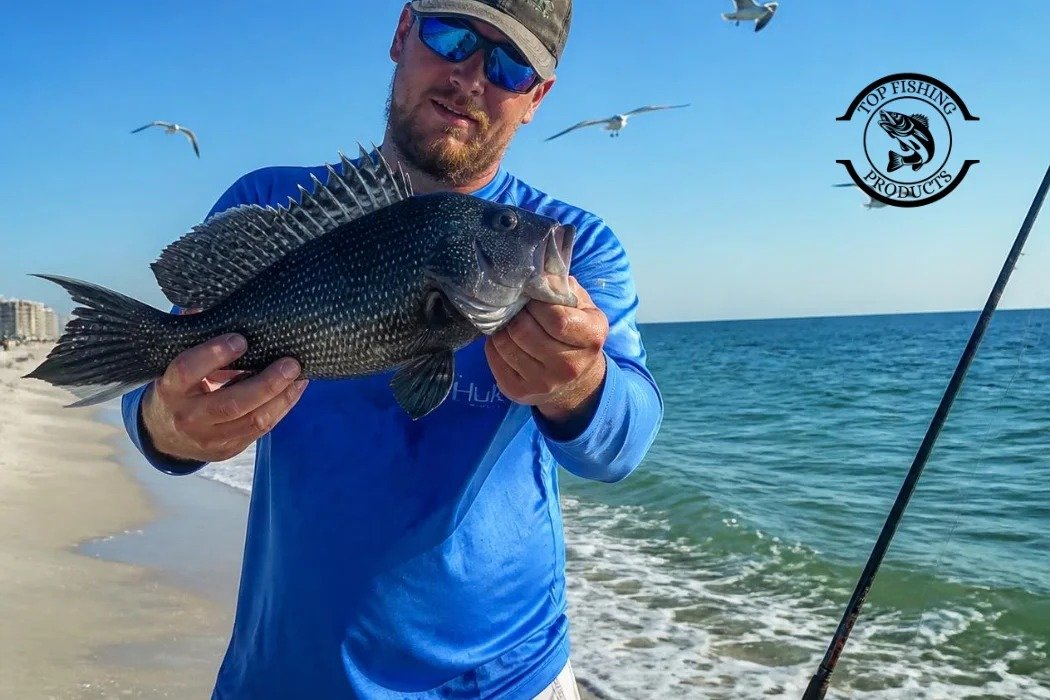
Black sea bass have a chunky, almost bulldog-shaped body with a slightly humped back, especially in larger males. Their color ranges from dusky black to a mottled gray-brown, and during spawning season, older males can develop a bright blue patch on their forehead. That detail alone tells you something useful: these fish change behavior with the seasons, and understanding that shift matters more than most beginners realize.
They are also structure-obsessed. Wrecks, reefs, rock piles, jetties, and pilings all hold sea bass because these areas provide both food and shelter. As a result, blind casting into open sand rarely produces much. Instead, successful anglers study charts, mark bottom structure, and fish tight to it.
One interesting fact that often surprises new anglers is that black sea bass are protogynous hermaphrodites, meaning most fish start life as females and some later transition into males as they grow larger. This is why bigger sea bass, the ones with the pronounced blue forehead patch, are almost always males. Knowing this does not change how you fish for them, but it does explain why the biggest fish in a school often behave a little differently, holding slightly apart from the smaller females and juveniles.
Where to Catch Black Sea Bass
Black sea bass range from Cape Cod down through the Gulf of Mexico, though the heaviest populations are found from New England through the Mid-Atlantic. In summer, many fish move into shallower nearshore waters, sometimes as skinny as 20 to 40 feet. However, as water temperatures cool in fall, they retreat to deeper wrecks and rock piles, often 60 to 200 feet down, before eventually heading offshore for winter.
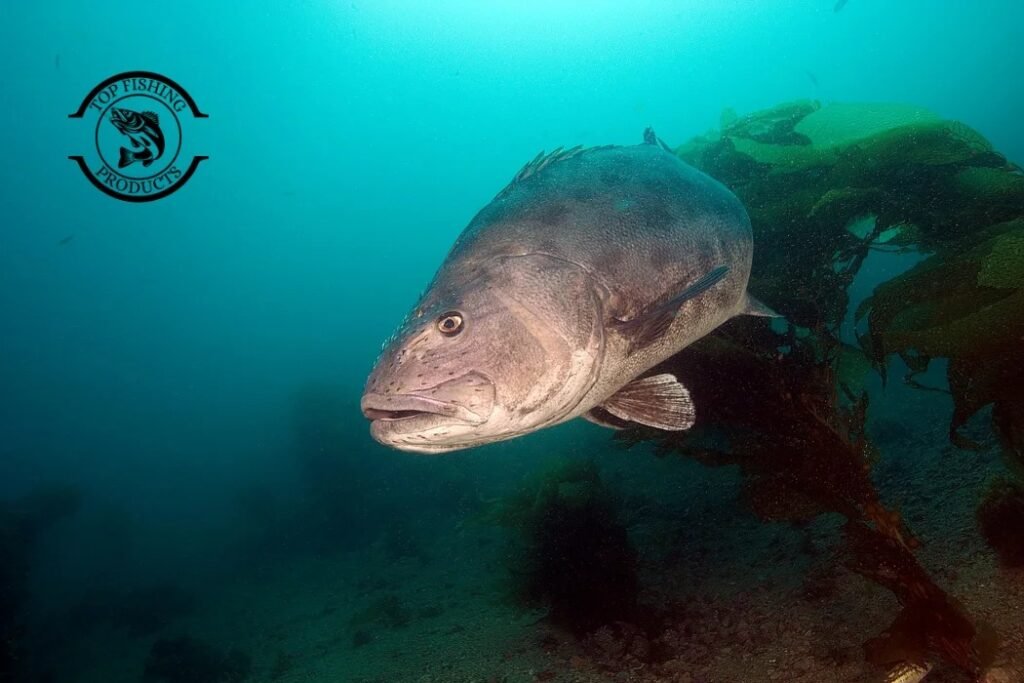
A few dependable spots include the following:
- Rock jetties and breakwaters near inlets
- Nearshore reefs and artificial fish havens
- Shipwrecks in 60 to 150 feet of water
- Rocky bottom transitions where sand meets structure
- Bridge pilings and dock structure in bays
- Natural boulder fields along rocky coastlines
For anglers fishing from shore, jetties and piers near inlets tend to produce the best results, especially early in the season before the fish move offshore. Meanwhile, boat anglers have the advantage of reaching deeper wrecks and reefs that hold larger, more mature fish. If a shore trip is not producing bites, moving along the jetty to a spot with more scattered rock can help, since sea bass often cluster in small pockets rather than spreading evenly across a structure.
Best Time to Catch Black Sea Bass
Timing plays a bigger role with sea bass than many anglers expect. Spring and early summer are prime months in the Mid-Atlantic and Northeast, as fish move inshore to feed and spawn. Fall is another strong window, particularly October and November, when sea bass bulk up before their winter migration to deeper water.
As for time of day, black sea bass feed throughout daylight hours, so there is no strict need to fish at dawn or dusk. That said, a moving tide, whether incoming or outgoing, almost always outproduces slack water. Fish tend to feed more aggressively when current is pushing bait around structure, so planning a trip around tide charts is worth the extra effort.
Water temperature also plays a role that is easy to overlook. Black sea bass tend to feed most actively when water temperatures sit between 55 and 70 degrees Fahrenheit. Once temperatures climb much higher in the peak of summer, or drop sharply in late fall, bites can slow down even in productive spots. Checking a marine forecast for water temperature before heading out can help set realistic expectations for the day.
Best Bait for Black Sea Bass
Sea bass are not picky eaters, but a few baits consistently outperform the rest.
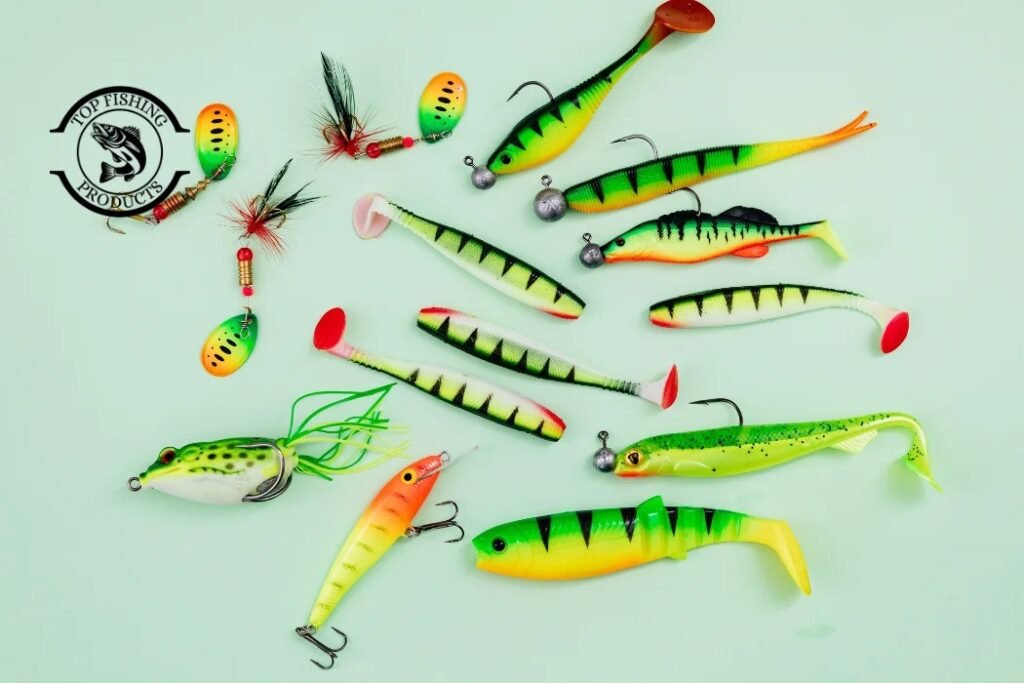
Squid is the standard choice among charter captains and private boaters alike. It stays on the hook well, holds up against bait-stealing fish, and produces bites in nearly any condition. Cutting squid into small strips rather than using whole pieces often results in more hookups, since sea bass have relatively small mouths.
Clams, particularly surf clams, are another excellent option, especially early in the season. Their scent draws fish from a distance, though clams tend to fall off the hook faster than squid.
Cut bait, such as strips of mackerel or bunker, works well too and can help avoid smaller bait-stealing fish like porgies or cunner.
A combination approach often works best. Many experienced anglers tip a bucktail or jig with a small piece of squid, which gives the lure both movement and scent. This pairing is one of the most effective black sea bass fishing techniques used on party boats up and down the coast. In addition, some anglers keep two rods rigged with different baits at once, which makes it easier to figure out what the fish want on a given day without constantly re-baiting.
A Quick Note on Chumming
Chumming is not always necessary, but it can help concentrate fish over a wreck or reef, especially when the bite starts slow. A simple chum bag filled with ground clam or crushed mussels, lowered near the bottom, releases a scent trail that draws sea bass in from a wider area. This technique works particularly well on anchored boats fishing deeper structure, where fish may otherwise be spread thin across a large wreck.
Black Sea Bass Fishing Rigs
Rig choice depends on depth, current, and whether you are bottom fishing or jigging. Three setups cover the vast majority of situations.
High-Low Rig
This is the classic sea bass rig, consisting of two hooks tied above a weight, spaced roughly 12 to 18 inches apart. Because the hooks sit off the bottom, this rig helps avoid snags while still presenting bait near structure. It works well in moderate current and remains a favorite among beginners because it is easy to tie and easy to fish.
Fish Finder Rig
A fish finder rig uses a sliding sinker above a swivel, allowing fish to pick up the bait without immediately feeling resistance from the weight. This setup shines in areas with light current and finicky fish, since it reduces the chance of a sea bass dropping the bait after feeling tension.
Jig and Teaser Combo
For anglers who prefer an active approach, a bucktail jig with a small teaser hook tied above it can be deadly on sea bass. The jig is dropped to the bottom, lifted a foot or two, and allowed to fall again. Sea bass often strike on the drop, so staying tight to the line and watching for subtle taps makes a real difference.
| Rig Type | Best Conditions | Skill Level |
| High-Low Rig | Moderate current, structure | Beginner |
| Fish Finder Rig | Light current, cautious fish | Beginner to intermediate |
| Jig and Teaser | Active fishing, deeper wrecks | Intermediate to advanced |
Best Hooks for Black Sea Bass
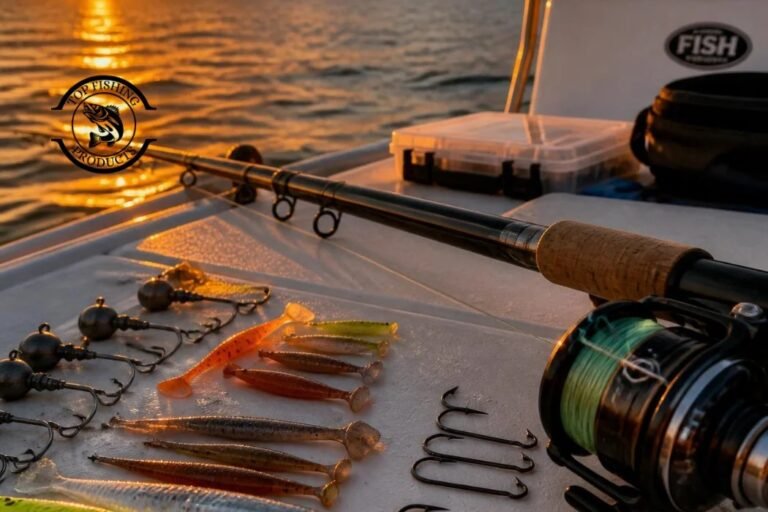
Because sea bass have small, tough mouths, hook selection matters more than many anglers assume. Circle hooks in sizes 2/0 to 4/0 are popular for bottom rigs, as they tend to hook fish in the corner of the mouth and reduce gut-hooking. Baitholder hooks with barbs work well for holding squid or clam strips securely.
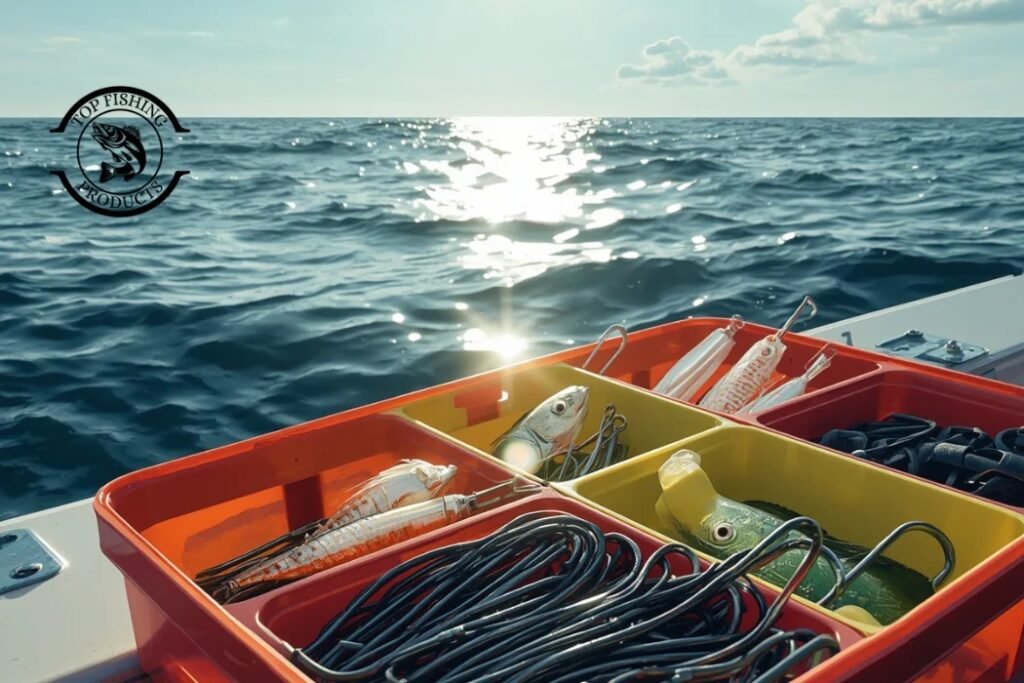
For jigging, a bucktail with a sharp, sturdy hook in the 1/0 to 3/0 range typically covers most situations. Sharpening hooks before a trip, even new ones, is a small habit that pays off, since sea bass have surprisingly hard mouths for their size. Similarly, checking hook points after catching a few fish on rocky bottom is worth the extra few seconds, as contact with rock or shell can dull a point quickly without it being obvious at a glance.
Choosing the Right Rod and Reel
Tackle does not need to be complicated for sea bass, but matching gear to the depth and conditions makes a real difference in feel and control. A medium to medium-heavy rod in the 6 to 7 foot range, paired with a conventional or spinning reel spooled with 20 to 30 pound braided line, handles most situations well. Braid is preferred over monofilament by many anglers because it has less stretch, which helps detect the light pecking bites sea bass are known for.
A short fluorocarbon leader, typically 2 to 3 feet, is tied between the braid and the rig. This leader resists abrasion from rocky bottom and rough wreck structure, and it is far less visible underwater than braided line. For deeper wrecks in strong current, some anglers step up to heavier rods and 4 to 8 ounce sinkers, while nearshore jetty fishing in calmer water allows for lighter tackle and a more sensitive feel.
Black Sea Bass Bottom Fishing Techniques
Bottom fishing remains the most productive method for black sea bass, and a few small adjustments can noticeably increase catch rates.
First, keep the bait as close to the bottom as possible. Sea bass rarely chase food far from structure, so a rig sitting a foot or two off the seafloor will usually outfish one drifting higher in the water column. Second, use just enough weight to hold bottom in the current, typically anywhere from 4 to 16 ounces depending on depth and drift speed. Too little weight causes the rig to drift away from productive structure, while too much can reduce feel and sensitivity.
Third, pay attention to bites. Sea bass often peck at bait rather than slamming it, so a light, steady lift of the rod tip when a tap is felt tends to work better than an aggressive hookset. Once hooked, sea bass do not fight especially hard, but they often school tightly, so staying in the same spot after a catch frequently produces more fish nearby.
On a drifting boat, it also helps to reset the drift over the same piece of structure once the bite slows, rather than assuming the fish have moved on. Sea bass often hold tight to a specific rock pile or wreck section, and a drift that passes just to the side of it can miss the fish entirely even though the boat never left the general area.
Black Sea Bass Fishing Depth
Depth preferences shift with the seasons, which is one reason consistent success requires some flexibility. In late spring and early summer, fish are commonly found in 20 to 60 feet of water near nearshore structure. By midsummer, many move slightly deeper, often 40 to 80 feet. Come fall, especially October and November, sea bass push out to deeper wrecks and rock piles in the 80 to 200 foot range as they prepare for their offshore winter migration.
Checking a chartplotter or bottom finder before dropping bait helps confirm both depth and structure, which saves time compared to fishing blind. On busy party boats, mates often call out depth and structure details over the intercom, and paying close attention to that information can help private boaters find similar productive water nearby.
Regulations and Responsible Fishing
Black sea bass populations are managed with size limits, bag limits, and seasonal closures that vary by state and sometimes change from year to year. Therefore, checking current regulations before a trip is essential, not optional. Most coastal states publish updated limits online, and many tackle shops post the current rules as well.
Handling fish carefully also matters, especially for those being released. Sea bass caught from deep water can suffer from barotrauma, a condition where rapid pressure change causes their swim bladder to expand. If a released fish struggles to swim back down, using a descending device or venting tool, where legal, can improve its chances of survival significantly.
Final Verdict
Learning how to fishing for black seabass comes down to a few core habits: fishing tight to structure, matching bait and rig to the depth and current, and paying attention to subtle bites rather than waiting for an aggressive strike. Rod choice, hook size, and even small details like resharpening a hook point all add up over the course of a trip. Once those pieces come together, black sea bass tend to reward anglers with steady action and a cooler worth bringing home.
Frequently Asked Questions
What size hook is best for black sea bass? Hooks in the 1/0 to 4/0 range work well, with circle hooks being a strong choice for bottom rigs.
Do black sea bass bite at night? They can, though most anglers find daytime hours, especially during a moving tide, more productive.
What is the minimum size limit for black sea bass? Size and bag limits vary by state and season, so checking current regulations before keeping fish is important.
Is black sea bass good to eat? Yes, it has firm, mild white meat and is considered one of the better-tasting fish along the Atlantic coast.
Can you catch black sea bass from shore? Yes, jetties, piers, and rocky shorelines near inlets can produce good numbers, particularly in spring and early summer.
What is the best weather for black sea bass fishing? Calm to moderate conditions with a steady moving tide tend to produce the most consistent bites, while very rough seas can make bottom fishing difficult and less productive.