If you have ever stood at the edge of a pond wondering why the guy twenty feet away keeps pulling in fish while your line sits untouched, the answer usually comes down to one thing: bait. Finding the best bait for largemouth bass is not about luck. It is about understanding how these fish think, what they are hunting for at different times of year, and which options actually match the conditions you are fishing in.
Largemouth bass are ambush predators. They do not chase down every meal that swims by. Instead, they wait, watch, and strike when something looks like an easy target. That means your bait choice has to do more than just look like food. It has to move, smell, and behave in a way that triggers the instinct to attack. This guide walks through the bait options that consistently work, why they work, and how to pick the right one for your situation.
Why Bait Choice Matters So Much
New anglers often assume any lure or bait will do, as long as it gets tossed in the right spot. However, largemouth bass are surprisingly picky, especially in heavily fished waters where they have seen every crankbait and plastic worm imaginable. A bass that has been caught and released a few times learns to be cautious. This is why matching your bait to water clarity, temperature, and forage type can make the difference between a slow afternoon and a cooler full of fish.
Water temperature plays a bigger role than most people realize. In cold water, bass metabolism slows down, so they want an easy, low-effort meal. In warm water, they are more aggressive and willing to chase. Understanding this shift is the foundation of smart largemouth bass bait selection.
Live Bait for Largemouth Bass
There is a reason live bait has never gone out of style. It smells right, moves right, and triggers a feeding response that artificial lures sometimes struggle to match.
Nightcrawlers are one of the most reliable choices, especially for bass holding near the bottom or hiding in cover. Their natural wiggle is hard for a hungry bass to ignore. Rig one on a small hook and let it sink slowly near submerged brush or rocky ledges.
Minnows work exceptionally well in cooler water or early spring, when bass are targeting smaller baitfish moving slowly through the shallows. A lively minnow on a light jighead can be deadly around docks and drop-offs.
Crawfish, whether live or imitation, deserve special mention. Bass eat an enormous amount of crawfish, particularly in rocky lakes and rivers. If you can catch or buy live crawfish, hook them through the tail and fish them slowly along the bottom.
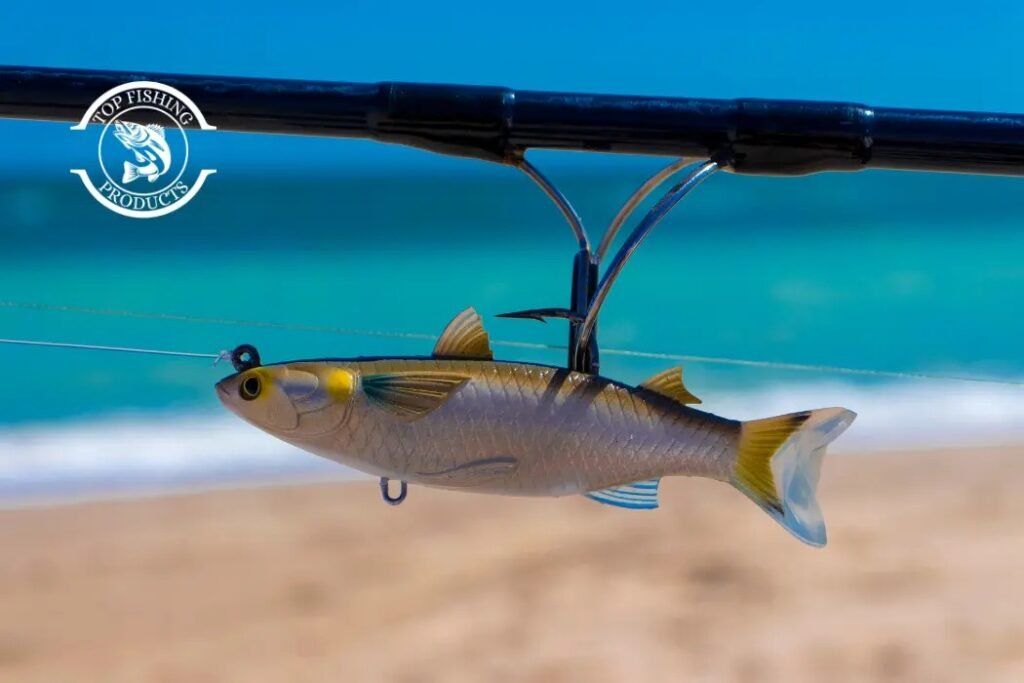
For anglers who want the most natural bait for bass, live options like these tend to outperform artificial lures when fish are lethargic, pressured, or simply not in a chasing mood. On the other hand, live bait requires more care, storage, and handling than artificial lures, so it is not always the most convenient choice.
Artificial Bait for Largemouth Bass
Not every angler wants to deal with bait buckets and aerators, and that is where artificial lures shine. Modern lures are designed to mimic the exact movement, color, and vibration of natural prey, and in many situations, they outperform live bait entirely.
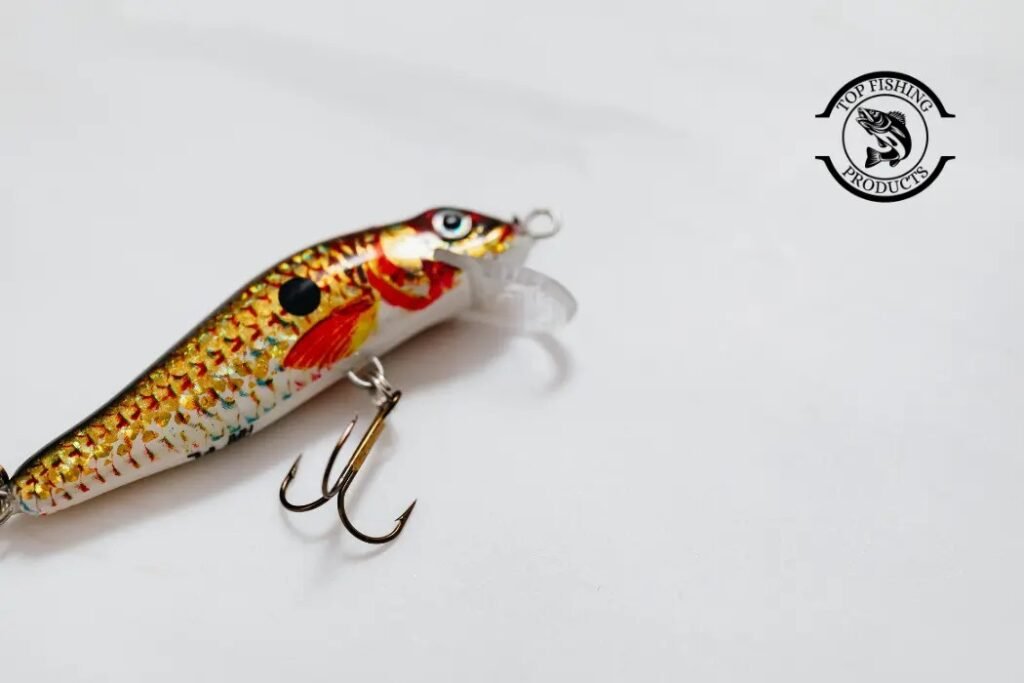
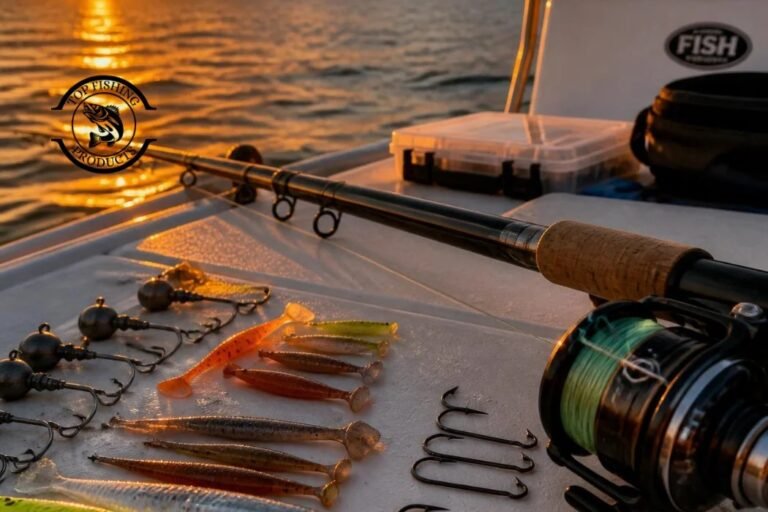
Soft plastic worms remain a staple for good reason. They are versatile, affordable, and can be rigged a dozen different ways depending on the cover you are fishing. A Texas-rigged worm slides through weeds without snagging, while a wacky rig gives it a slow, tempting fall that bass find hard to resist.
Spinnerbaits create flash and vibration that draw strikes even in murky water. Because bass rely on their lateral line to detect movement, a spinnerbait can attract fish that never even see it clearly. This makes it one of the best choices for stained or muddy lakes.
Crankbaits dive to a specific depth and wobble in a way that resembles an injured baitfish. They work great for covering large areas of water quickly, which is useful when you are trying to locate active fish rather than working a single spot.
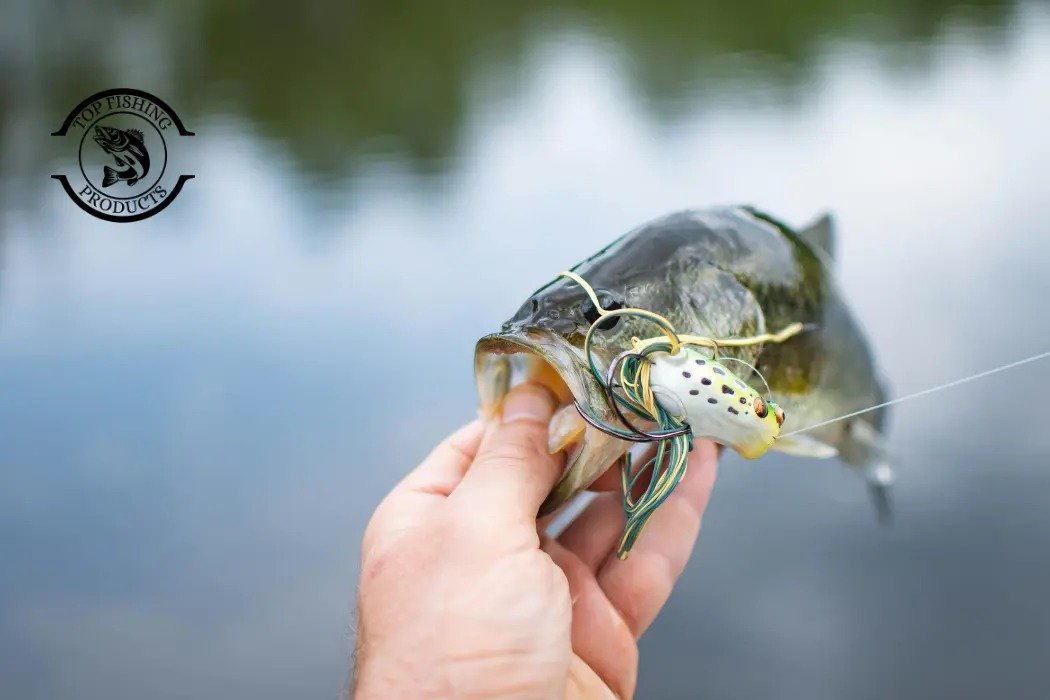
Topwater lures offer some of the most exciting bass fishing there is. Early morning or right before dusk, when bass move shallow to feed, a popper or buzzbait skimming across the surface can trigger explosive strikes.
Jigs, paired with a trailer, imitate crawfish or baitfish hiding near cover. They are especially effective in colder months when bass want a slow, subtle presentation instead of something fast and flashy.
Each of these represents a different category of bass fishing bait types, and having a small selection of each in your tackle box will prepare you for almost any situation on the water.
Matching Bait to the Season
Bass behavior changes dramatically throughout the year, and your bait selection should change with it. Here is how experienced anglers typically approach the best bait for bass in different seasons.
Spring, bass move into shallow water to spawn, making them aggressive and protective of their nests. Soft plastics, spinnerbaits, and lipless crankbaits worked near shallow cover tend to produce strong results during this period.
Summer brings warmer water and more active fish, but bass also tend to move deeper during the hottest part of the day. Topwater lures work well early and late, while deep-diving crankbaits and jigs perform better during midday heat.
Fall often triggers a feeding frenzy as bass fatten up before winter. This is a great time for reaction baits like spinnerbaits and crankbaits, since fish are chasing baitfish schools aggressively.
Winter slows everything down. Bass become sluggish, so a slow presentation matters more than flash or speed. Live bait, jigs, and soft plastics fished patiently near deep structure typically outperform faster-moving lures.
Exploring Your Largemouth Bass Bait Options
With so many largemouth bass bait options available, it helps to think in terms of conditions rather than personal preference alone. Clear water generally calls for more natural presentations, since bass can inspect a lure closely before striking. Murky water benefits from bait that creates noise or vibration, since fish are relying on senses other than sight.
Cover type matters too. Heavy weeds and brush call for weedless rigs like Texas-rigged worms or jigs with weed guards. Open water near drop-offs or points is ideal for crankbaits and spinnerbaits that can be worked at a steady pace.
| Condition | Recommended Bait |
| Clear water | Soft plastics, live minnows |
| Muddy or stained water | Spinnerbaits, dark-colored jigs |
| Heavy cover | Weedless plastic worms, jigs |
| Open water | Crankbaits, spinnerbaits |
| Cold water | Live bait, slow-moving jigs |
| Warm, active water | Topwater lures, chatterbaits |
This kind of table is worth keeping in mind, because it removes some of the guesswork that trips up newer anglers.
Common Mistakes to Avoid
Even with the right bait in hand, technique matters just as much. Many anglers reel too fast, especially with soft plastics that are meant to fall slowly and naturally. Others fish the same depth all day without adjusting to where the fish are actually holding. Paying attention to strikes, follow-ups, and short bites will tell you a lot about whether your presentation needs to slow down, speed up, or change entirely.
Color choice trips people up too. As a rule, natural colors like green pumpkin or brown work well in clear water, while brighter colors like chartreuse or white perform better when visibility is low.
Final Verdict
There is no single answer that works for every lake, season, or angler. However, the best bait for largemouth bass usually comes down to reading the conditions in front of you and matching your presentation to what the fish are actually looking for that day. Live bait offers a natural edge when fish are cautious, while artificial lures give you speed, versatility, and the ability to cover more water. Keep a mix of both in your tackle box, pay attention to the season, and adjust based on water clarity and cover. Do that consistently, and you will spend a lot less time wondering why the fish aren’t biting.
Frequently Asked Questions
What is the single best bait for beginners? A soft plastic worm rigged Texas-style is forgiving, easy to fish, and effective in almost any water condition.
Do largemouth bass prefer live bait over artificial lures? It depends on the situation. Live bait often wins when fish are inactive or pressured, while artificial lures tend to be better for covering water and triggering reaction strikes.
What color lure works best in muddy water? Darker colors that create a strong silhouette, along with lures that add vibration, tend to perform best when visibility is low.
Is nightcrawler good bait for bass? Yes, nightcrawlers are one of the most reliable live baits, particularly when fished slowly near cover or structure.