One of the best outdoor hobbies is fishing, but creating a fishing line may be somewhat difficult for a beginner. Many beginner fishermen become extremely frustrated simply by trying to put together a fishing line without understanding how it operates. You need a proper fishing line because it controls your casting and success. It directly controls your casting and overall success. In this article, we’ll provide a Beginner Basic Fishing Line Setup Guide, designed especially for beginners who are looking for an easy yet simple step-by-step guide. Let’s explore it:
What is a Fishing Line
Fishing line is a cord that is basically used to attach the hook to a fishing rod. With this cord, the hook can’t be connected to it. Manufacturers create fishing lines using three main materials, including nylon (monofilament), polyester (braid), and fluorocarbon. It’s essential for visibility, strength, stretch, and residence.
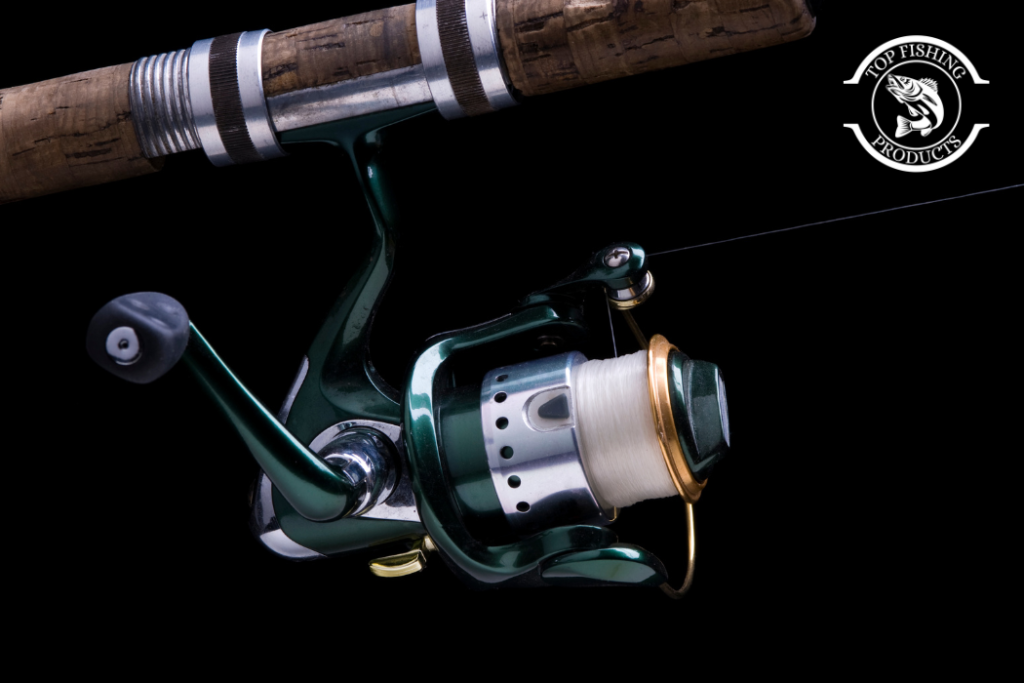
You must set the line correctly because it affects reach, accuracy, and catch rate. Additionally, the line is properly spooled in a reel that is attached to a rod. Then we can easily cast into the water. It connects the angler to the fish so you can pull the fish in easily.
Different Types of Fishing Lines
There are many kinds of fishing lines, and each type is unique in the sea. This may seem difficult to a beginner, but understanding the basics can help. There are three types of fishing lines, which are soft and elastic, soft but firm, and hard and stronger. The most popular varieties are fluorocarbon, braided, and monofilament.
In terms of experience, power, and visibility in water, each variety varies. Since it is easier to manage, beginners typically have the easier one. It’s important to remember that every fishing line is different, and being aware of this can help avoid getting the wrong one.
Fishing Line Step-by-Step Detail
Setting up a fishing line is simple if you take your time and properly follow each step. Beginners can also enjoy easy, stress-free fishing by following these steps. Let’s explore every step:
Choose the Right Line
The durability of a fishing line is expressed in pounds and shows how much weight it can support before breaking. Many beginners assume heavier fishing lines are better. Casting can be challenging if you use a strong fishing line.
Smooth casting is only possible if you use the correct fishing line. For small to medium-sized fish, a fishing line holding between six and ten pounds is ideal. The ideal experience is when fishing is the outcome of using a more suitable fishing line. Learning to fish with a line is simpler if you use the proper fishing line.
Understand Fishing Reel and Line
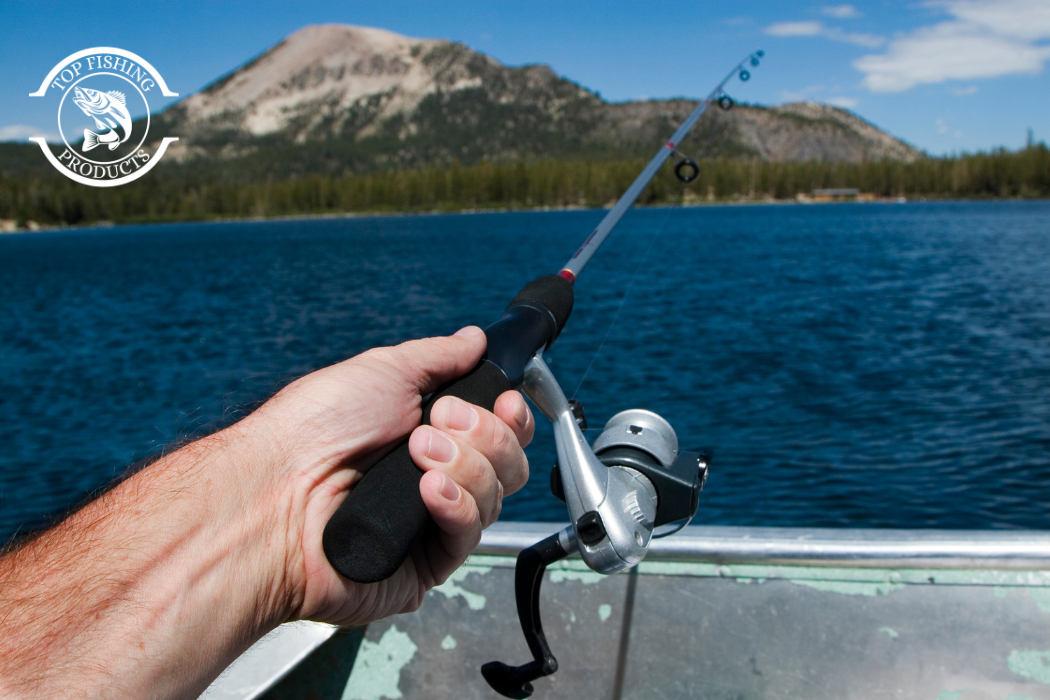
The fishing reel you choose determines how you set up the line because not all fishing reels are created equal. For beginners, spinning reels are the most popular. Every reel is designed for a specific weight and type of line. Casting problems and knotting will result from using the wrong line. The line strength requirements normally take place at the spool where the line is inserted.
Proper compatibility will also result in a smooth retrieval and casting of the line, but following the specified parameters will assist in maintaining the line and the reel in good balance. Beginners can avoid common issues and have a hassle-free experience by understanding the functionality and compatibility of the reel and line.
Attach a Line to a Fishing Reel
One of the first and most important setup tasks is attaching the fishing line to the reel. For beginners, this should be an easy process because hurrying through it can cause issues later on. To prevent slipping during a catch and pull, Attach the line to the reel’s spool. For someone who is new, a basic knot works well and is the simplest to learn.
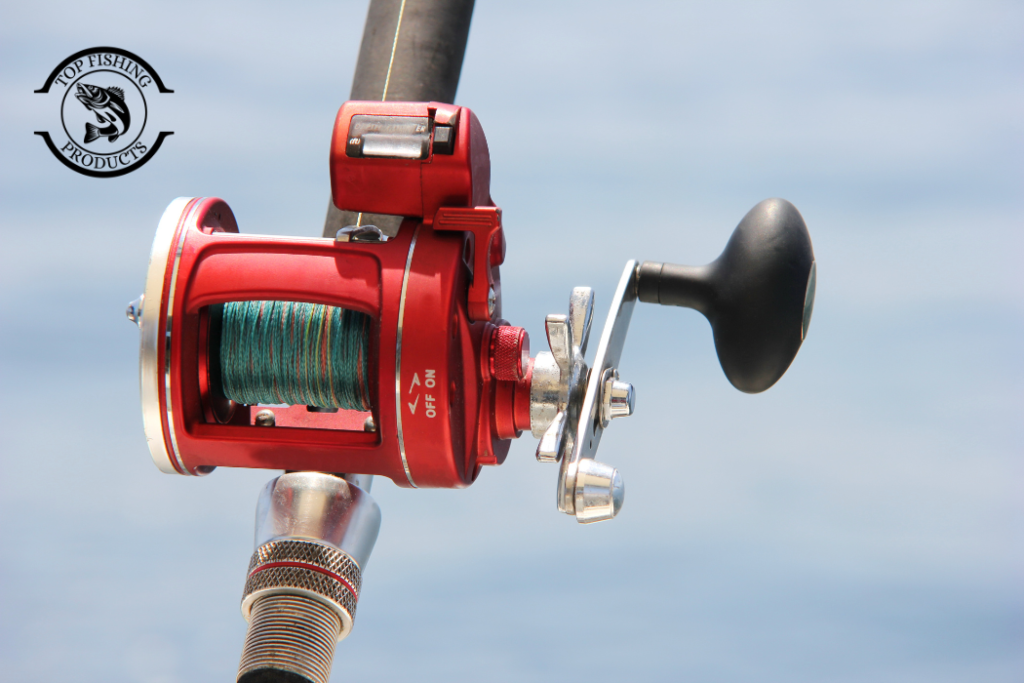
Next, carefully start tensioning the string. To prevent loose wraps, strive to do it evenly. To guarantee greater performance, make sure the line is snug and straight. A well-attached line gives beginners confidence and serves as a strong foundation for the remainder of the fishing setup.
Spool the Fishing Line
Spooling is the process of evenly aligning the fishing line on the reel. For beginners, this is usually one of those rushed procedures that calls for a great deal of patience. To go in smoothly and without twists, Add the line under steady tension. Naturally, while tossing the line out, spooling too loosely or unevenly might result in tangles and knots.
To ensure that the line is filled evenly, beginners should constantly pause to check the spool. The casting distance will be affected by having too little or too much line. To minimize discomfort, proper spooling techniques guarantee a smooth line release. By taking the time to spool, beginners can enjoy fishing and avoid several typical issues that could make their fishing trip unpleasant.
Prevent Line Twists and Tangles
For beginner fishermen, fishing line twists might be an issue. Twists in fishing lines can make fishing even more challenging. This issue may arise from wrongly spooled lines or improperly closed the bails. Knots and loops can be created by twisting the fishing line. These may cause the line’s casting performance to decrease.
By manually shutting the reel bail, beginner anglers can avoid line twists. The handle should not be used by them. By bringing the line tight while reeling it in, anglers can avoid issues. Anglers can save time and anxiety by being aware of possible causes of line twists. Unwrapping their line might make fishing easier for beginner fishermen.
Understand Leaders and Their Purpose
Anglers connect a short leader line to the end of the main line. Typically, beginner fisherman gets confused by the importance of using a leader. Leaders are used by anglers for many purposes, including providing power when the hook is set and making it harder for fish to see the line.
Thick lines can attract some species of fish, and employing a leader reduces their visibility. A leader can protect the line from sharp fish and unstable water surfaces. While using a leader is not required, many anglers will find it useful. For those who are new, a leader can take their place.
Choose the Right Hook for Your Line
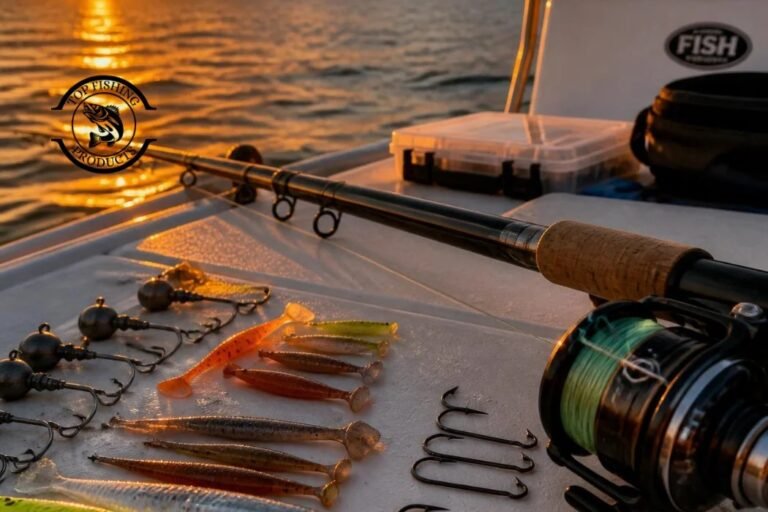
Manufacturers produce hooks in many shapes and sizes. Most of the time, the wide range of options can leave beginners confused. The type of fish being targeted and the strength of the fishing line affect the size of the hook. When the bait is submerged in water, using large or heavy hook sizes may cause the bait to move differently.
Beginners would likely benefit more from using smaller hook sizes. It is important to secure the hook to the fishing line so that it does not come loose. Anglers may present the bait naturally and increase their chances of catching more fish by using the proper hook.
Tie a Hook to the Fishing Line
Every fishing beginner has to learn the basic skill of hook tying. The hook will come off at the wrong time if the knot is not secure. For those who are new to fishing, it is preferable to start with a basic knot and work your way up to more complex ones. Tie the knot slowly for better strength. Adding water to the line before tightening it will also be beneficial.
By doing this, any damage is avoided. Hooks that are secure lie flat. This is the first stage that must be mastered. Fishing will be less stressful if you understand this, according to Fishing for Beginners. In addition to increasing your chances of catching a fish, correctly tying a hook ensures that your bait is positioned.
Add Sinkers to the Fishing Line
To guarantee that the bait falls to the bottom of the water, Fasten sinkers (small weights) to the fishing line to control depth. Sinkers are necessary for beginners because they guarantee that the bait is at the appropriate depth. Depending on the water’s depth and the currents, sinkers can have different weights.
The fishing line may become too heavy if too much weight is used. To maintain balance, sinkers can be attached to the fishing line at an equal distance from the hook. Use sinkers to control bait depth and improve handling.
Understand Fishing Floats and Bobbers
New fishermen can use floats, sometimes known as bobbers, to see if a fish has bitten the bait. Every time a fish bites the bait, they fall from the surface of the water. Fishing is made more enjoyable and easier using floats. Fishermen can figure out the depth at which bait will remain by using floats. By adjusting the float, beginner fishermen may control the depth.
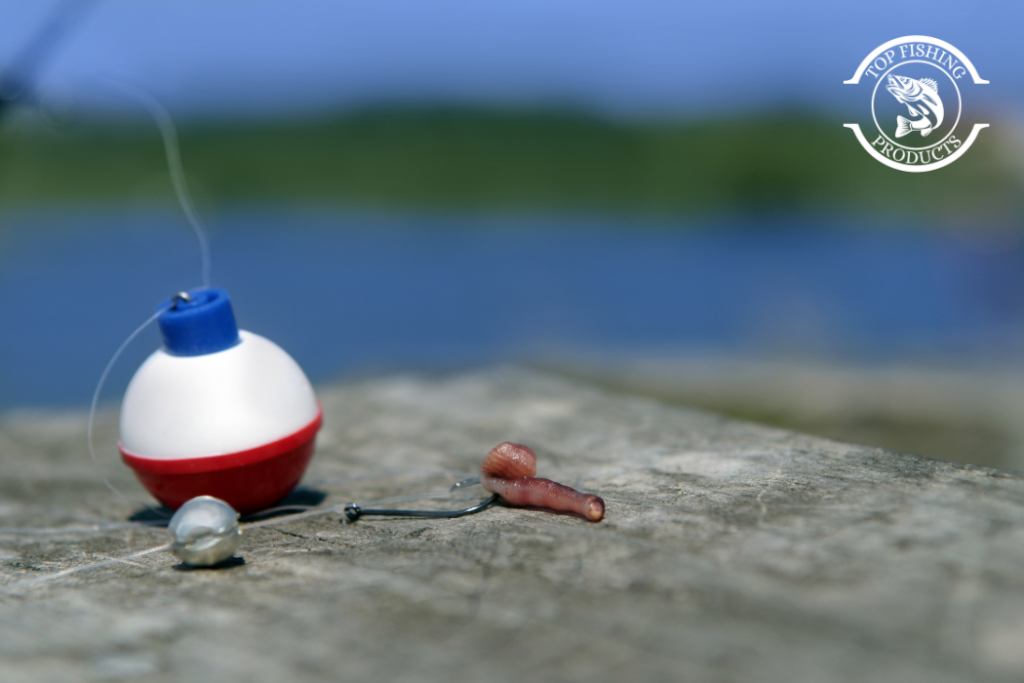
The bait is kept from getting stuck at the water’s bottom thanks to floats. The process of learning to identify fish biting is improved by becoming skilled with floats. For beginner fishermen, floats make fishing more engaging. When studying the features of fish underwater, they are quite helpful.
Set the Correct Line Length
The amount of line that is extended from the rod’s tip to the hook is another measure of line length. This knowledge is important, but many beginner fishermen seem to overlook it. Casting will be affected by too much line, and targets will be missing. In addition, there will be a short distance with an insufficient line.
Fishermen learn how to adjust line length based on the fishing ground and rod size. To get a good balance, fishermen learn to experiment with various line length adjustments. This information will be more accurate.
Test Your Fishing Line Setup
Every beginner should test their line setup before putting the line in the water. This is the starting point that will allow the loose points or knots to be detected. The first step in making sure everything is in place is to pull the rope.
Verifying that the reel is turning is another procedure. This is an important step that will help beginner fishermen understand how their line setup feels. Finally, before beginning the fishing procedure, beginner fishermen will have the chance to make improvements.
Why Monofilament Line Is Best for Beginners?
While monofilament fishing line is so flexible and manageable, it is usually advised for beginners to use it. This specific kind of fishing line is flexible, which helps keep the line from breaking if a fish unexpectedly pulls at it. When using monofilament fishing line, tying a knot is simpler than with any other kind.
This is because beginner fishermen typically make a lot of mistakes when tying a knot, and monofilament greatly helps in this process by avoiding the majority of beginner mistakes. It is also more widely available and less expensive. It is a suitable option for all basic fishing techniques because of its flexible nature, which allows it to float on water.
How to Maintain Your Fishing Line?
Your fishing line will last longer if you take proper care of it. Fishing beginners often underestimate the importance of maintaining fishing lines. Over time, your fishing line can weaken due to factors like dirt, moisture, and sun exposure. Fishing line damage can be easily avoided with routine inspections to check for defects.
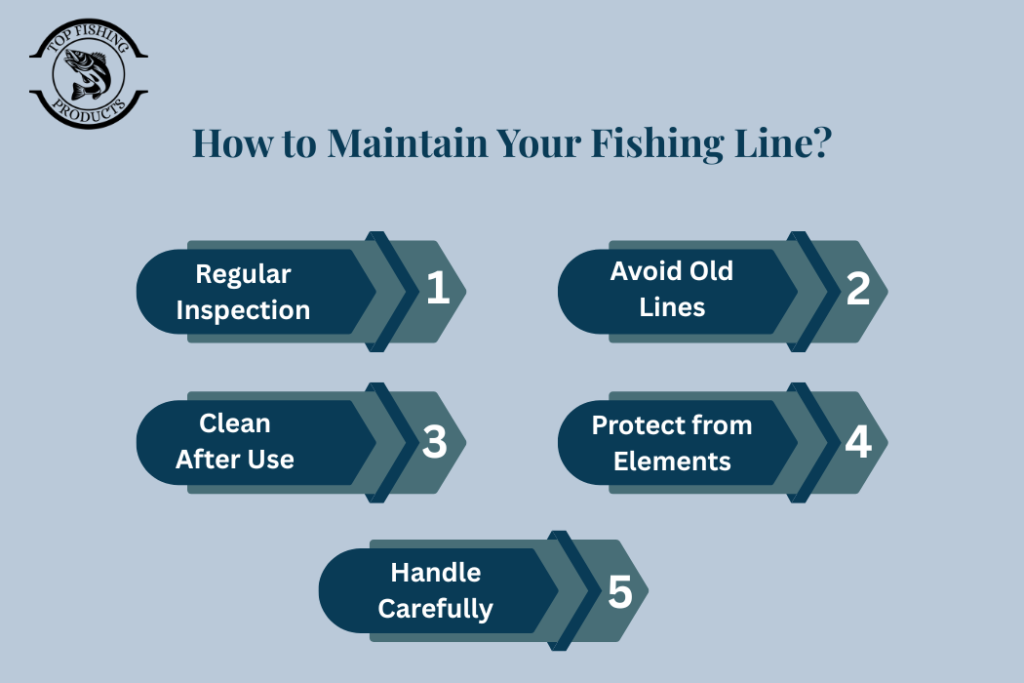
Using a repaired fishing line is preferable to using an outdated one that might not work correctly. Maintaining your fishing line also depends on how you handle your equipment. The duration of your fishing line can be greatly increased by using good fishing techniques, such as cleaning it after each use.
When to Replace Your Fishing Line?
Fishing lines have an expiration date. A beginner should be aware of when changing lines. When the lines start to tear or turn stained, this is a sign. A person can frequently prevent losing fish by changing the lines. Every time a beginner goes fishing, they should check their lines.
Small issues might turn into serious issues. It can seem useless to change the lines. But with the new lines, a person feels more assured. To have high-quality equipment, a player should be aware of how long fishing lines last. The new lines hold fish well and are easy to cast.
Common Mistakes Beginners Make
When it comes to setting up fishing lines, the majority of beginners make several common mistakes, such as overloading the reel, tying weak knots, or using the wrong line strength. These mistakes cause fish to escape, lines to tangle, and gear to fail. Beginners are able to avoid these mistakes from happening in the first place by being aware that they can happen.
Other anglers usually rush through the procedure as well. The possibility of better results increases with the amount of time spent on every step. You will make mistakes while learning this sport, and that’s normal.
Last Verdict
Even a beginner may learn how to set up a fishing line with the proper instruction. Confidence and skill improvement can be easily mastered in the proper sequence after practicing. Every step is important, from selecting the right line to attaching hooks and checking the setup. A fisherman can avoid frustration and increase their performance by taking the time to master basic skills.
This Beginner Basic Fishing Line Setup Guide will ensure that the process is enjoyable instead of stressful. This beginner-friendly instruction will help anyone set up an effective fishing line arrangement. Fishing may become a calming and satisfying pastime that helps you connect with nature and make lasting memories if you practice and are patient.
Frequently Asked Questions:
Is fishing line difficult for beginners?
Fishing line setup may seem confusing at first, but it is actually simple once you understand the steps. With a little practice, beginners can learn to set up their fishing line quickly and confidently.
Which fishing line should beginners start with?
Beginners should start with monofilament fishing line because it is easy to manage and forgiving. It stretches slightly, making it less likely to break, and it is also affordable and widely available.
How often should a beginner replace their fishing line?
A beginner should replace their fishing line when it starts showing signs of wear, such as fraying or fading. Checking the line before each fishing trip helps prevent breakage and lost fish.
Is a leader line necessary for beginner fishing?
A leader line is not always necessary for beginners, especially when learning basic fishing techniques. However, it can be helpful in clear water or when fishing for cautious fish
What fishing line strength is best for beginners?
A fishing line strength between six and ten pounds is best for beginners. This range offers a good balance of strength and flexibility, making casting easier and improving control.