Finding the right rod can make or break a day on the water. If you’ve ever spent hours holding a rod that’s too heavy, too stiff, or just awkward to grip, you already know how much it matters. Fishing is supposed to be enjoyable — not an arm workout.
This guide focuses on the best lightweight fishing rods for women, but it’s really for anyone who wants a rod that’s easy to handle, comfortable to hold all day, and actually performs well. Whether you’re a complete beginner or you’ve been fishing for years and just want something better suited to your build, these picks are chosen with practical, real-world use in mind.
We’re not going to pad this with ten products you’ll never need. Instead, we’ll walk you through the top options, explain exactly who each one is for, and help you avoid the common mistakes most buyers make.
Why Rod Weight and Balance Actually Matter
A lot of fishing gear is designed with a heavier, larger angler in mind. That’s just the reality of how the industry has historically worked. The result? Rods that are longer than necessary, heavier than they need to be, and balanced in ways that cause wrist fatigue quickly.
Rod weight affects more than just comfort. A lighter rod gives you better sensitivity — you can actually feel light bites, subtle taps, and changes in the bottom structure. For techniques like finesse fishing, drop shotting, or working small lures in clear water, sensitivity is everything.
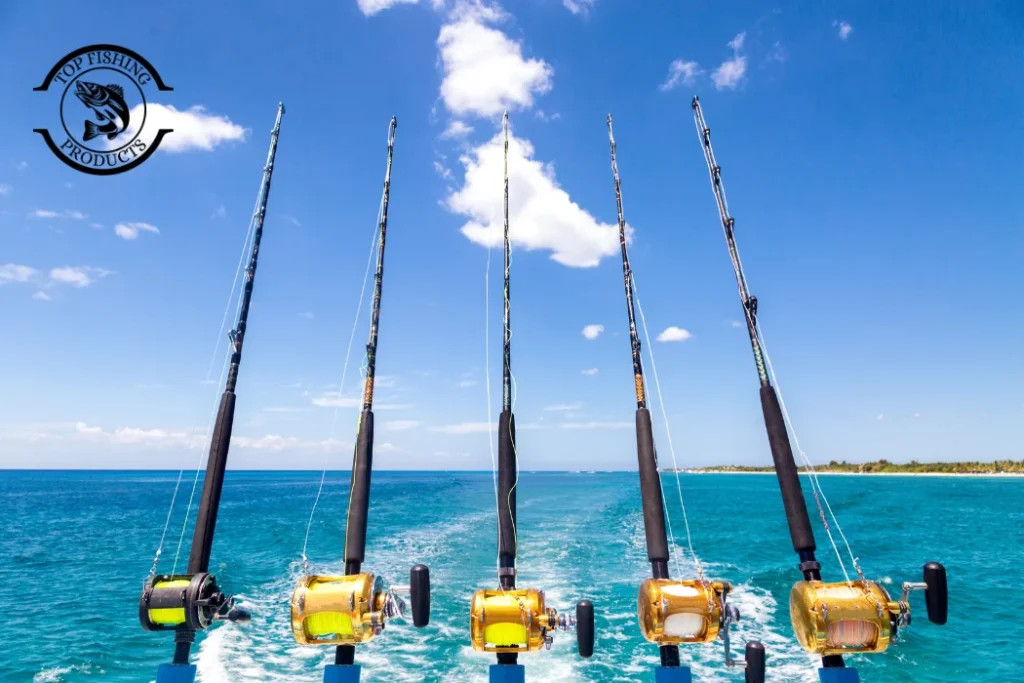
Balance is equally important. A rod that’s tip-heavy will tire your wrist out far faster than one that balances close to the grip. When you’re casting repeatedly for hours, that imbalance becomes a real problem. Additionally, a rod that feels awkward in your hand makes it harder to develop good casting technique — which matters especially if you’re still building your skills.
The good news is that ultralight and light-power rods have gotten dramatically better in recent years. Modern materials like high-modulus graphite and carbon composite allow manufacturers to build rods that are both light and strong.
What to Look for in a Women’s Fishing Rod
Rod Length
Shorter rods are generally easier to handle for anglers with smaller frames. A 5’6″ to 6’6″ rod hits the sweet spot for most situations. Longer rods cast farther, but they’re harder to control and more tiring to hold. Unless you’re fishing open water where distance matters, keep it under 7 feet.
Rod Power and Action
Power describes how much force it takes to bend the rod. Ultralight and light power rods bend more easily, making them great for smaller fish and lighter lures. Medium power is the most versatile. For most freshwater fishing – bass, trout, panfish – you won’t need anything heavier than medium.
Action describes where the rod bends. Fast-action rods bend near the tip and offer good sensitivity. Moderate action rods bend through more of the blank and are more forgiving for beginners. A moderate-fast action rod is often the best of both worlds.
Grip Size and Material
This is often overlooked. A cork grip is lightweight and warms up in your hand quickly, making it more comfortable in cooler weather. EVA foam is more durable and easier to clean. Either works well, but the grip diameter matters — a grip that’s too thick is harder to control for smaller hands. Some rods now offer slimmer grip profiles specifically designed for better control.
Guide Quality
Guides are the rings along the rod that your line runs through. Cheaper guides can damage your line over time and create friction that reduces casting distance. Look for stainless steel frames with ceramic inserts — they’re smooth, durable, and worth paying a little extra for.
Top Lightweight Fishing Rod Picks
These picks cover a range of budgets and fishing styles. Each one has been selected because it offers real advantages for anglers who want something light, comfortable, and genuinely easy to use.
Ugly Stik Elite Spinning Rod — Best for Beginners
The Ugly Stik Elite is one of the most recommended beginner rods on the market, and for good reason. It’s built tough, reasonably priced, and available in lighter power ratings that suit smaller fish and lighter presentations.
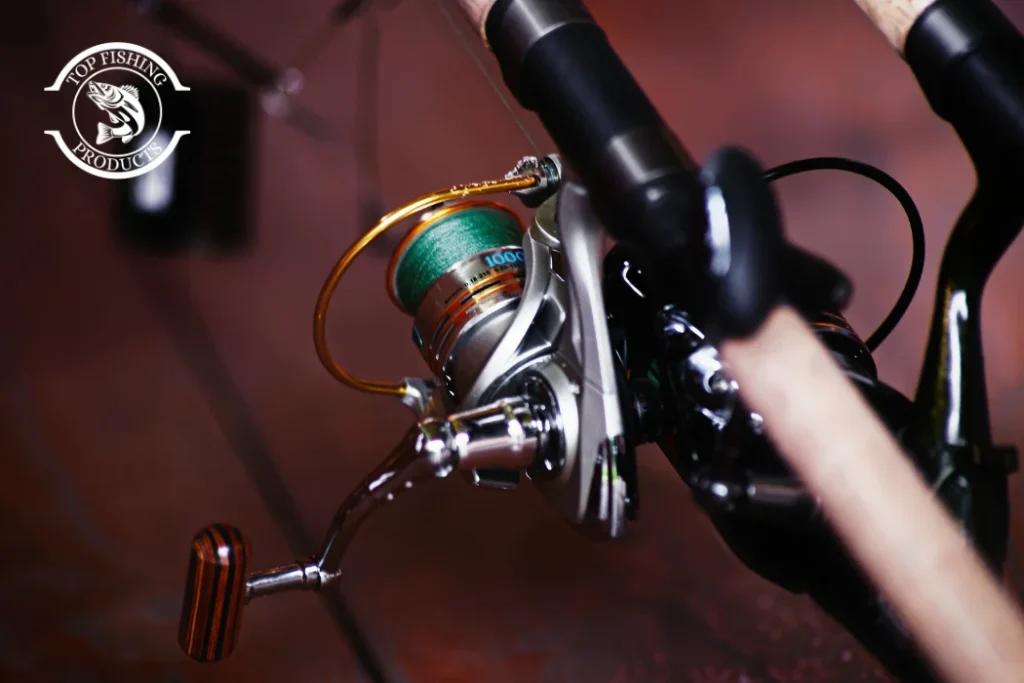
Best for: First-time anglers, casual freshwater fishing, panfish and trout.
Strengths: Nearly indestructible construction, clear tip for sensitivity, comfortable EVA grip, excellent value. It’s a rod you can abuse without worrying about breaking it.
Limitations: It’s not the lightest rod out there. The blank material is heavier than high-end graphite options, and sensitivity is moderate rather than exceptional.
Ideal user: Someone just getting started who doesn’t want to spend a lot and needs a forgiving, durable rod they can learn on without babying.
St. Croix Triumph Spinning Rod — Best Lightweight Spinning Rod Under $100
St. Croix makes rods that punch well above their price point, and the Triumph is a great example. It’s built with SCII graphite, which keeps the weight down while still offering solid sensitivity. The 5’6″ and 6′ versions are particularly well-suited to smaller frames.
Best for: Trout fishing, light bass fishing, finesse techniques.
Strengths: Noticeably lighter than budget rods, great sensitivity, quality cork grip, well-balanced. St. Croix’s quality control is also very consistent — you get what you pay for.
Limitations: Not the best choice for heavy cover or large fish. It’s a light-duty rod and should be treated as one.
Ideal user: An angler who’s moved past beginner level and wants something that actually feels good in hand without jumping to a premium price tag.
Shimano SLX Spinning Rod
Shimano’s SLX series delivers performance that used to cost twice as much. The TC4 construction makes these rods light and highly responsive — you’ll feel subtle bites that a heavier rod would mask entirely.
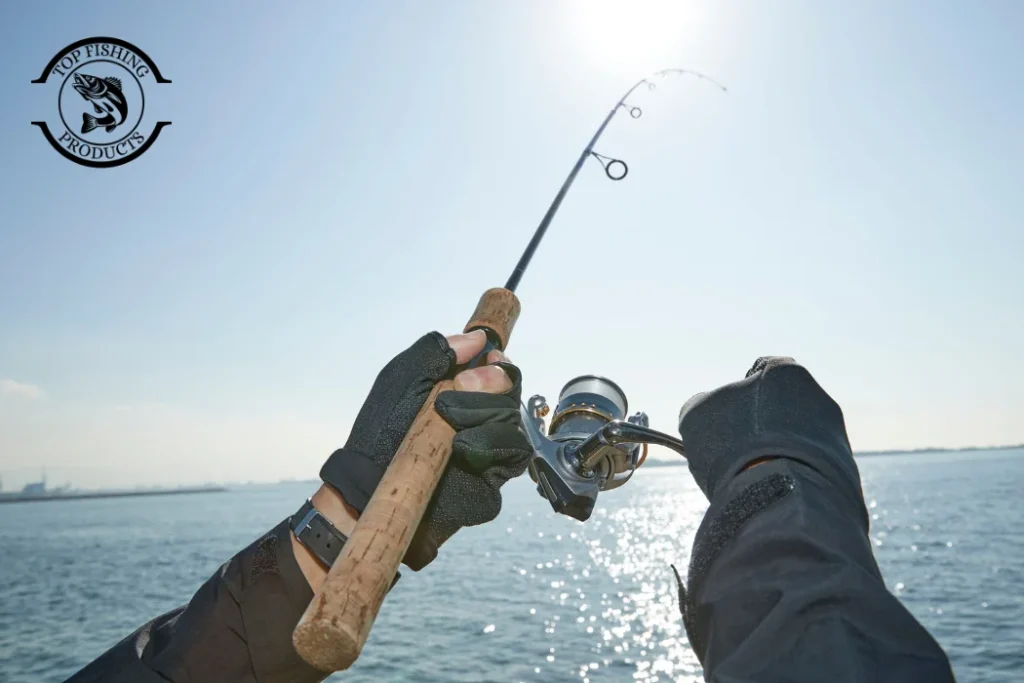
Best for: Drop shot fishing, finesse techniques, clear-water situations where fish are spooky.
Strengths: Excellent sensitivity, very light in hand, Fuji guides that won’t fray your line, slim grip that fits smaller hands well.
Limitations: Pricier than the other picks. Also requires more careful handling — this isn’t the rod to leave rolling around in a truck bed.
Ideal user: An intermediate to advanced angler who fishes frequently and wants a rod that helps them feel every detail of their presentation.
Zebco 33 Spinning Combo — Best Rod and Reel Combo for Women New to the Sport
If you’re just starting out and want everything in one package, the Zebco 33 combo removes a lot of the guesswork. The matched rod and reel are balanced together from the factory, which matters more than most people realize.
Best for: Complete beginners, fishing with kids, casual dock fishing or pond fishing.
Strengths: Affordable, easy to use right out of the box, balanced combo means you don’t have to worry about mismatching components. The reel is smooth for the price point.
Limitations: Outgrown quickly by anyone who gets serious about fishing. The components are entry-level — fine to start with, but you’ll want to upgrade if fishing becomes a regular hobby.
Ideal user: Someone who wants to try fishing without investing much money, or who wants a spare setup to keep in the car for spontaneous trips.
Okuma Celilo Ultralight Spinning Rod — Best Ultralight Option for Trout
The Celilo is a dedicated ultralight rod, and for trout fishing in streams and small rivers, it’s hard to beat at this price point. It’s extremely light, very sensitive, and loads up nicely on small lures and baits.
Best for: Stream trout, panfish, small creek fishing, light-tackle presentations.
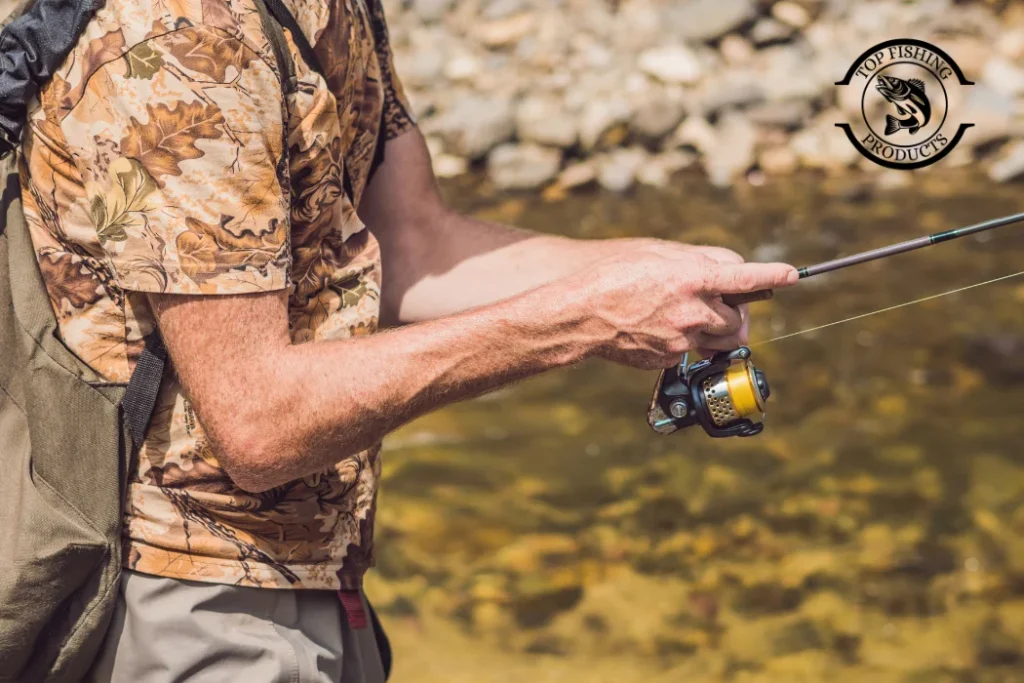
Strengths: Featherlight in hand, surprisingly sensitive for the price, comfortable cork grip, excellent value. If you want to experience ultralight fishing without spending a lot, this is the rod.
Limitations: Limited versatility — this is a specialized trout and panfish rod. Don’t try to catch bass in heavy cover with it.
Ideal user: An angler who primarily fishes for trout and panfish and wants a rod purpose-built for that style.
Common Buying Mistakes to Avoid
Buying a rod that’s too long. Longer isn’t always better. A 7’6″ rod is difficult to manage for most people, and it adds weight at the tip. Start with something in the 5’6″ to 6’6″ range.
Ignoring the grip. You’ll hold this rod for hours. A grip that’s uncomfortable or too thick will cause fatigue and make casting less precise. If possible, hold the rod before buying it.
Chasing the cheapest option. There’s a quality floor below which rods become genuinely frustrating to use. Guide quality drops off, blanks feel dead, and the experience suffers. Spending an extra $20 to $40 often makes a significant difference.
Buying a rod that doesn’t match the reel. A heavy spinning reel on a light, sensitive rod kills the balance completely. If you’re building a setup from scratch, consider a matched combo or ask someone at the shop about pairing.
Overlooking line rating. Every rod has a recommended line weight printed near the handle. Ignoring this leads to lost fish and damaged rods. Match your line to the rod’s rating.
Matching Your Rod to the Right Reel
A great rod still needs a good reel to perform well. For lightweight spinning setups, you’ll generally want a reel in the 1000 to 2500 size range; anything larger adds unnecessary weight and throws off the balance.
If you’re putting together your first complete setup, our guide to the best spinning reels for beginners covers everything you need to know about matching the right reel to a lightweight rod. The right combination makes casting effortless and fish fighting much more enjoyable.
Final Verdict
Choosing from the best lightweight fishing rods for women comes down to what kind of fishing you plan to do and how serious you are about the sport.
If you’re just starting out, the Ugly Stik Elite or Zebco 33 combo will get you on the water without stress or wasted money. If you’ve already got some experience and want a real upgrade in feel and sensitivity, the St. Croix Triumph is hard to beat under $100. For dedicated trout anglers, the Okuma Celilo is the most purpose-built option. And if you want the best rod in this category without worrying about price, the Shimano SLX will reward you every time you pick it up.
The most important thing? Get something in your hands that feels comfortable. Fishing is supposed to be enjoyable. A rod that fits you well, balances properly, and doesn’t wear you out is always going to be the right choice — no matter what the specifications say.
Frequently Asked Questions
What rod length is best for women?
There’s no single answer since it depends on what you’re fishing for and where. However, rods between 5’6″ and 6’6″ are the most manageable for a wide range of situations. They’re long enough to cast comfortably but short enough to stay in control. Shorter rods also put less strain on your wrist and shoulder during long fishing sessions.
Is an ultralight rod good for beginners?
It depends on where you’re fishing. If you’re targeting trout or panfish in streams or small ponds, ultralight rods are excellent for beginners because they make even small fish exciting. However, if you want to fish for bass or in heavier cover, a light to medium power rod is more practical. Most beginners do better starting with a light or medium-light rod, which is more forgiving and versatile.
Can a lightweight rod handle larger fish?
It depends on the rod’s power rating and your drag settings. A well-tuned spinning reel with a smooth drag can help land surprisingly large fish on lighter rods. That said, a light power rod is not designed for fighting large, hard-pulling fish in heavy cover. If you’re targeting fish over 5 to 6 pounds regularly, step up to a medium power rod.
What’s the difference between a spinning rod and a casting rod?
Spinning rods have guides that face downward and are used with open-face spinning reels. They’re generally easier to learn on because the reel handles line feeding naturally — there’s less chance of backlash. Baitcasting rods are used with baitcasting reels, which require more practice to cast accurately. For beginners and most lightweight setups, spinning gear is the better choice.
Should I buy a rod and reel separately or as a combo?
If you’re a beginner or buying a backup setup, a combo makes sense. The components are matched and balanced out of the box, which is convenient. As you get more experience and start to prefer specific techniques, buying separately lets you optimize each component for your style. There’s no wrong answer — it really comes down to how serious you are about the sport at this point.
How much should I spend on a first fishing rod?
You don’t need to spend a lot to get a good first rod. In the $30 to $70 range, you can find rods that are genuinely enjoyable to fish with. Once you’ve decided fishing is something you want to pursue regularly, spending $80 to $150 opens up noticeably better options in terms of weight, sensitivity, and build quality. Beyond that, you’re paying for incremental improvements that mostly matter to experienced anglers.