If you’ve ever watched a largemouth explode on a surface lure at first light, you already know why anglers get obsessed with fishing up top. But choosing the right bass fishing topwater lures isn’t as simple as picking whatever looks flashy on the shelf. The wrong lure at the wrong time gets ignored. The right one, thrown with some patience, gets struck so hard it’ll make your heart stop.
This guide breaks down the main topwater categories, when each one shines, and what kind of angler each lure style suits best.
Why Topwater Fishing Rewards Patience
Topwater isn’t a numbers game. You’re rarely going to out-fish a drop shot or a shaky head in terms of total bites. What topwater delivers is a different kind of experience — and during the right conditions, it also delivers some of the biggest fish you’ll ever catch.
The general rule is low light and calm water. Early morning, late evening, overcast days, and post-frontal calm periods are when bass are most likely to actively hunt the surface. Wind helps muffle noise, but a choppy chop often hurts your ability to work the lure effectively.
Water temperature matters too. Bass are most aggressive on topwater when temps are between 60°F and 80°F. Below 55°F, they rarely commit to a surface strike with any consistency.
The Main Types of Topwater Lures for Bass
Poppers
Poppers are probably the easiest topwater lure to fish if you’re just getting started. The cupped face creates that distinctive blooping sound when you twitch the rod tip, displacing water and calling fish from a distance.
What makes poppers effective is how controllable they are. You decide the cadence — fast twitches for active fish, longer pauses for wary bass. On calm mornings over shallow flats or near dock edges, a small popper with a slow pop-and-pause retrieve can be extremely hard for bass to resist.
Popper lures for bass work best when fish are already showing near the surface — you’ll notice swirls or baitfish nervous near the top. A 1/2 oz to 3/4 oz popper covers most situations.
Best for: Anglers who want control and feedback. Open water, docks, shallow points.
Limitations: Less effective in heavy cover. Doesn’t cast as far as walking baits in wind.
Walking Baits (Walk-the-Dog Style)
Lures like the Heddon Zara Spook or Yo-Zuri 3DB Pencil require learning a rhythm — slack line, rod tip down, alternating wrist twitches to produce that side-to-side glide. Once you get it, it’s one of the most satisfying techniques in bass fishing.
Walking baits are ideal for covering water. They cast far, run shallow, and the erratic movement mimics injured baitfish better than almost any other topwater style. Additionally, they tend to draw reaction strikes from bass that aren’t necessarily feeding — the lure just annoys them into biting.
Best for: Open flats, long points, schooling fish situations, or any time bass are chasing shad near the surface.
Not ideal for: Tight cover or heavy vegetation where the lure can’t swing side to side.
Hollow Body Frog Lures
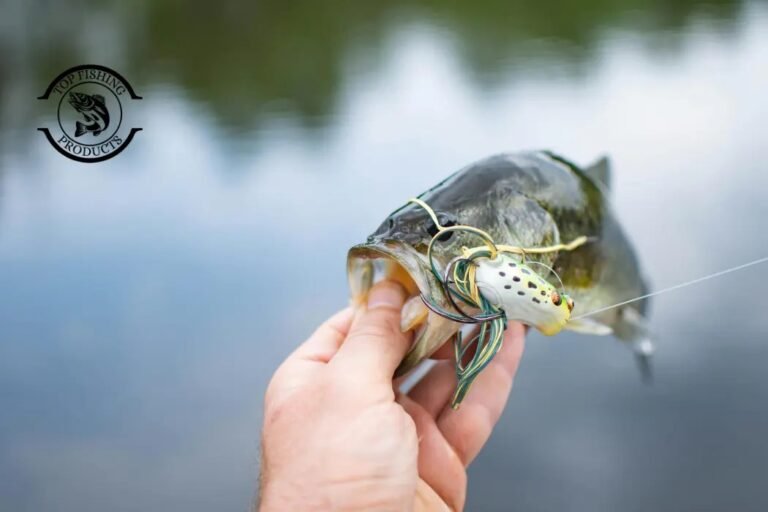
Frog lures for bass deserve their own category entirely. Nothing else lets you fish directly over lily pads, matted grass, or hydrilla — places where other topwater lures would hang up immediately.
A hollow body frog sits weedless and can be hopped, walked, or dragged across some of the nastiest cover you’ll find. Bass that live in heavy vegetation spend their lives ambushing prey from below, and a frog dropping into a small pocket of open water on a mat is an almost irresistible trigger.
The catch is that frog fishing has a learning curve. You need to pause after the strike — often for a full second or longer — before setting the hook. Many beginners swing too early and pull the lure right out of the fish’s mouth.
Best for: Heavy cover specialists, anglers fishing lakes with significant vegetation.
Not ideal for: Open water situations where other styles outperform it. Also not beginner-friendly in terms of hookup ratio.
Prop Baits
Prop baits have one or two spinning propellers that churn the water on each twitch. They’re louder and more aggressive than poppers and tend to hold fish’s attention longer between pauses.
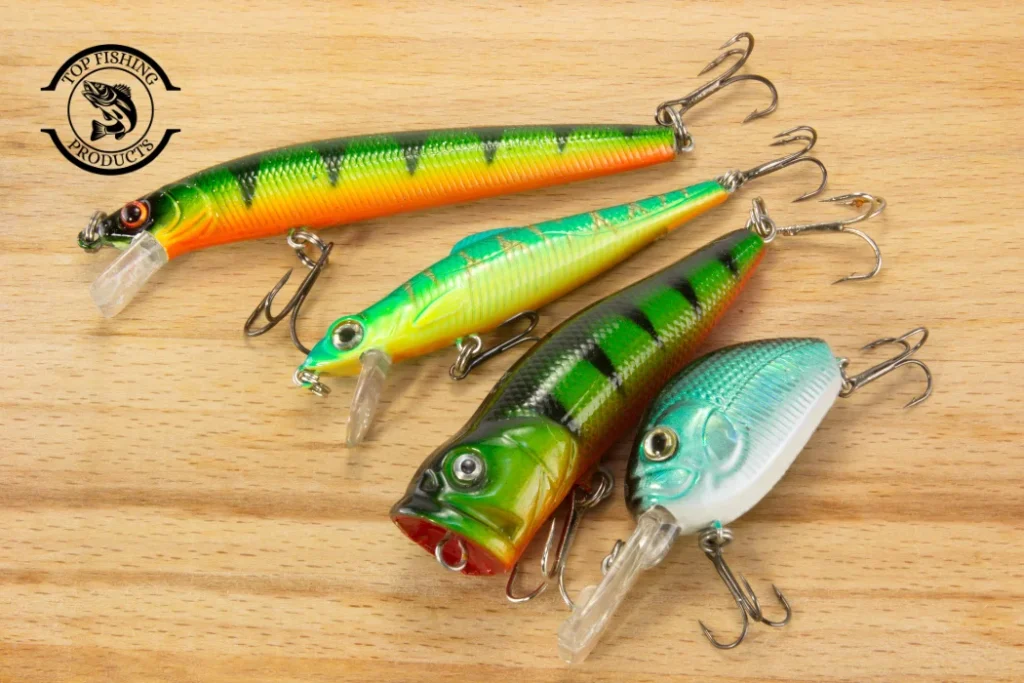
They’re underused by a lot of anglers, which actually works in your favor. On lakes with heavy topwater pressure, prop baits can produce when fish have learned to ignore poppers and walkers. They’re especially productive around structure like fallen timber, boat docks, and rocky banks where bass are staging.
Best for: Pressured fish, early morning, calm water over structure.
Limitations: Don’t cover water as efficiently as walking baits. Can tangle in weeds.
Buzz Baits
Technically a surface lure, though classified separately by some. A buzzbait creates a constant churning sound and surface disturbance as you reel it in. Unlike other topwaters, it requires a steady retrieve — you never stop.
The appeal is simplicity and versatility. Buzzbaits work well in low light situations, around emergent vegetation, and along grass lines. They also trigger reaction strikes from aggressive fish in ways that other lures don’t.
One important note: bass often miss buzzbaits because of how fast they come through the water. Adding a trailer hook significantly improves hookup rates.
Best for: fast-moving presentations, shallow grass lines, and murky water.
Not ideal for: Heavily pressured fish or extremely clear water.
What Lures Are Best for Bass Fishing Based on Conditions
Choosing the right topwater comes down to reading the water, not just grabbing your favorite.
Clear water, calm conditions: Walking bait or a small popper. Subtle and realistic.
Stained or murky water: Buzzbait or prop bait. More noise, more vibration — helps fish locate the lure.
Heavy cover: Hollow body frog. No other option comes close.
Schooling fish or open flats: Walking bait for distance and coverage.
Slow morning bite: Popper with long pauses. Let the fish come to you.
Bass Fishing Lures and When to Use Them: Seasonal Context
Spring is arguably the best topwater season. Pre-spawn and post-spawn bass are shallow, aggressive, and looking for easy targets near the bank. Morning topwater fishing in April and May can be exceptional.
Summer shifts the window. You’re mostly targeting early morning and evening — midday heat pushes fish deep. However, if you find schooling fish, any topwater lure thrown into the frenzy will work.
Fall brings another solid topwater window, particularly for walking baits and buzzbaits. Bass are feeding aggressively to prepare for winter, following shad into the shallows. This is when covering water quickly pays off.
Winter topwater fishing is mostly unproductive. There are exceptions in the Deep South, but generally you’ll leave your surface lures home once water temps drop below 55°F.
Common Mistakes When Fishing Topwater
Setting the hook immediately. The strike looks violent, but you need to feel the weight of the fish before you swing. This is especially true with frogs.
Fishing topwater in the wrong conditions. On windy days with choppy water, many topwater presentations fall apart. Match the lure to what the water allows.
Using line that kills the action. Heavy, stiff monofilament chokes a walking bait. Braid on top with a fluorocarbon leader – or straight monofilament – gives most topwaters the right action. For frogs specifically, 50-65 lb braid is standard.
Giving up too fast. Topwater fishing rewards patience. You might go thirty minutes without a bite and then have five fish in the next twenty. Don’t switch to a jig just because the surface lures are quiet.
Budget vs. Premium: Does It Matter?
Here’s the honest answer: action and durability matter more than brand name.
A $6 walking bait that walks correctly will outfish a $15 version that doesn’t. However, premium lures often use better hooks out of the box, have more refined action, and hold up through more fish and abuse.
If you’re new to topwater, start with mid-range options and dial in the technique before spending on premium gear. Once you know what you’re doing, better hardware is a worthwhile upgrade. If you’re looking for a complement to topwater fishing, our guide on the best bass fishing rods for different lure types can help you dial in the right setup.
Final Verdict
The best bass fishing topwater lures for your tackle box aren’t the most expensive — they’re the ones that match your water, your conditions, and your ability to work them properly. Start with a reliable popper and a buzzbait to cover the basics, then add a walking bait once you’ve practiced the retrieve. If you fish lakes with heavy vegetation, a hollow-body frog is eventually a must-have.
The key with all topwater fishing is reading the conditions first and letting that guide your lure choice. Master a few presentations well rather than owning every style poorly, and you’ll catch more fish.
FAQ
What time of day is best for topwater bass fishing?
Early morning from first light until about two hours after sunrise is the prime window. Evening from an hour before sunset through dusk is a close second. Overcast days can extend productive topwater time throughout the day.
Can you fish topwater lures in heavy cover?
Yes, but only with the right lure. Hollow body frogs are designed specifically for this. Other topwater lures like poppers and walkers will hang up immediately in matted vegetation.
What line should I use for topwater bass lures?
It depends on the lure. For frogs, 50-65 lb braid is standard. For walking baits and poppers, 30-50 lb braid with a short monofilament or fluorocarbon leader works well, or you can fish straight 12-17 lb monofilament for a cleaner look and better action on some lures.
Do bass hit topwater lures in cold water?
Rarely. Below 55°F, bass metabolism slows significantly and they tend to ignore surface presentations. Once water hits 60°F and rises, topwater fishing starts becoming productive again.
Why do I keep missing topwater strikes?
Usually it’s setting the hook too fast. Let the fish take the lure and feel the weight before sweeping the rod. Also check your hooks — dull hooks on topwater lures are a common problem.
Are topwater lures good for beginner bass anglers?
Poppers and buzzbaits are beginner-friendly. Walking baits and frog fishing have a learning curve but are worth pursuing once you’re comfortable with the basics.