Fishing gear designed for women has improved significantly over the years. However, many products are still overpriced for what they actually offer. If you’ve browsed tackle shops or fishing forums, you’ve probably noticed that many “women’s” rods, reels and vests cost more than similar unisex options. In many cases, the only real difference is the color.
That doesn’t mean quality fishing gear for women is hard to find. It simply means you need to know what features truly matter so you’re paying for performance not marketing.
This guide explains how to build a reliable starter or budget-friendly fishing kit without overspending. You’ll learn which gear is worth buying, what features make a real difference on the water and how to avoid common mistakes that can waste your money.
Why Fit and Comfort Matter More Than Most Beginners Realize
A lot of first-time buyers assume a fishing rod is a fishing rod. However, hand size, grip strength and even height can affect how comfortable a rod feels during a full day of casting. A rod that’s too heavy or has a grip that’s too thick can cause fatigue within an hour, which takes the fun out of fishing fast.
Similarly, waders, boots, and vests built on a general unisex frame often don’t sit right on a smaller or curvier frame. This isn’t just a comfort issue. Poorly fitted waders can let in water at the waist, and an ill-fitting life vest won’t provide proper protection in an emergency. So when people talk about “women’s fishing equipment,” they’re not just talking about color schemes. They’re talking about proportions that actually match a wider range of body types.
What “Budget-Friendly” Should Actually Mean
Cheap and budget-friendly are not the same thing. Cheap gear usually breaks fast, performs poorly and ends up costing more money in replacements. Budget-friendly gear, on the other hand, is priced reasonably while still holding up to regular use.
When evaluating affordable fishing gear for women, focus on:
- Materials that resist rust and cracking, especially for reels and hooks.
- Warranty coverage, since a lot of budget brands still offer one- or two-year guarantees.
- Reviews from people who fish in similar conditions to you (freshwater versus saltwater matters a lot here)
- Weight, because lighter gear reduces fatigue during long sessions
A $40 reel with a smooth drag system and rust-resistant bearings is a better investment than a $15 reel that seizes up after three trips.
Choosing a Fishing Rod and Reel Combo for Women
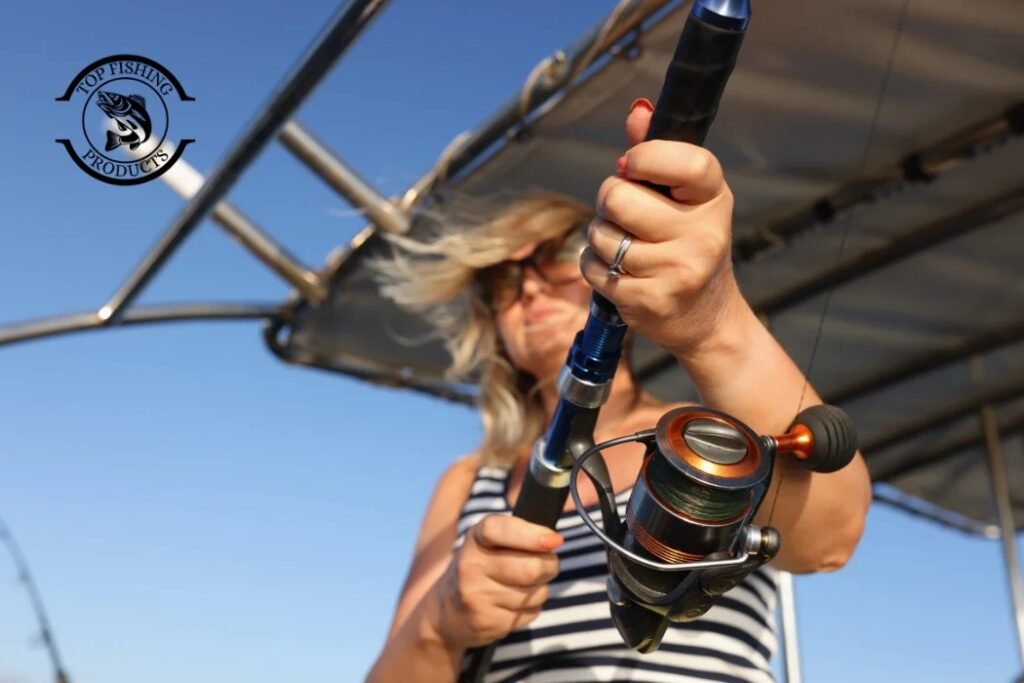
For most beginners, a fishing rod and reel combo for women is the smartest starting point. Combos are pre-matched, meaning the rod’s action and the reel’s gear ratio are already balanced for each other. This takes the guesswork out of pairing components separately, which is genuinely one of the more confusing parts of buying gear for the first time.
Spinning Combos vs. Baitcasting Combos
| Feature | Spinning Combo | Baitcasting Combo |
| Learning curve | Easy, beginner-friendly | Steeper, more practice needed |
| Backlash risk | Low | Higher, especially for new users |
| Best for | Light lures, general freshwater fishing | Heavier lures, precision casting |
| Typical price range | Lower | Slightly higher |
For anyone just getting into the sport, a spinning combo is almost always the better choice. Baitcasting reels offer more control once you’ve built up skill, but they also have a real learning curve. Backlash, which is when the line tangles on the spool during a cast, happens often to beginners and can be discouraging early on.
Rod Length and Action
Rod length affects casting distance and control. A 6 to 7-foot rod works well for most freshwater situations. It is easy to manage for someone who still learning proper casting form. Rod “action” refers to how much the rod bends when pressure is applied. Medium action rods are versatile enough for most beginner needs. They handling everything from panfish to moderate-sized bass without requiring specialized technique.
Essential Fishing Accessories Worth Buying First
New anglers often overspend on gear they don’t need while skipping items that actually improve the experience. Here’s what deserves priority when building out essential fishing accessories on a budget.
A quality tackle box or bag. Organization matters more than people expect. A tangled mess of hooks and lures wastes time on the water and increases the chance of injury from loose hooks.
Polarized sunglasses. These cut glare off the water’s surface, making it much easier to spot fish, structure, and underwater hazards. This is one accessory where spending a little more actually pays off, since cheap polarized lenses can distort your vision over time.
A basic tackle assortment. Rather than buying dozens of individual lures, a variety pack covering different sizes and colors gives you more flexibility for less money.
Needle-nose pliers. These help with hook removal, cutting line, and crimping. A rusted or stiff pair of pliers becomes a frustration exactly when you need it most, so it’s worth choosing one with a rust-resistant coating.
A comfortable, properly sized life vest. This isn’t optional if you’re fishing from a boat or kayak. Comfort directly affects whether someone actually wears it consistently.
Lightweight Fishing Gear and Why It Matters
Lightweight fishing gear isn’t just a preference; it changes how long you can comfortably fish. A heavier rod might not seem like a big deal in the store, but after two or three hours of casting, that extra weight adds strain to the wrist and shoulder.
Graphite rods tend to be lighter than fiberglass ones, though fiberglass rods are often more durable for beginners who are still learning proper handling. This is a genuine trade-off. Graphite offers sensitivity, meaning you can feel smaller bites more easily, but it can also be more prone to snapping if mishandled. Fiberglass forgives more mistakes but sacrifices some of that sensitivity.
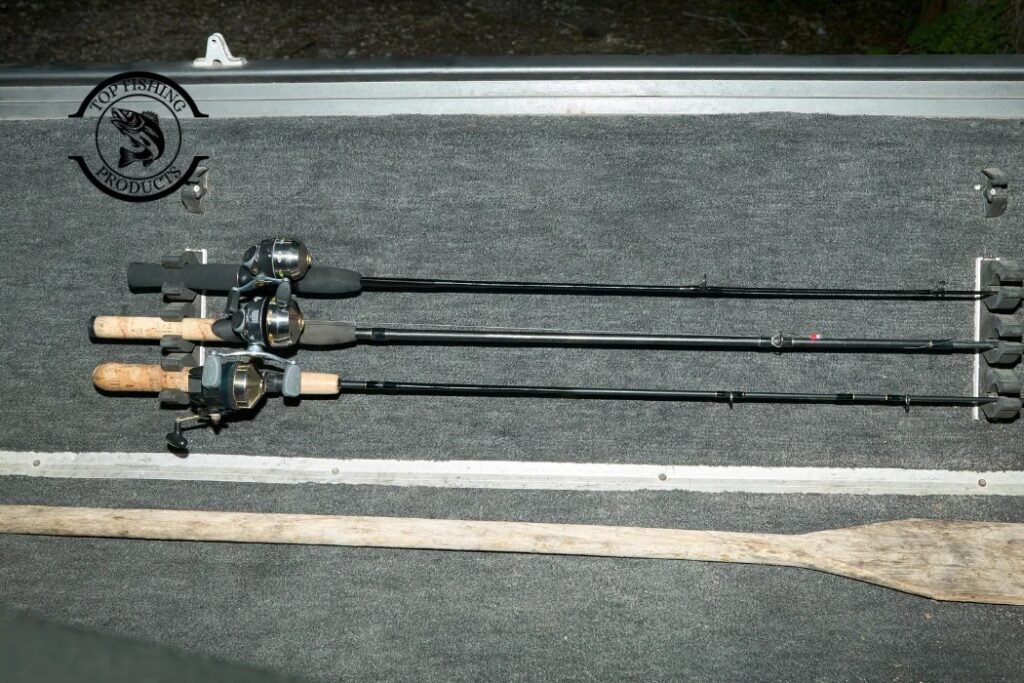
For someone just starting out, a rod that blends both materials, often labeled as a composite rod, offers a reasonable middle ground. It keeps weight manageable while still being tough enough to survive early learning mistakes like snagging on rocks or overtightening drag settings.
Budget Fishing Tackle: What to Prioritize
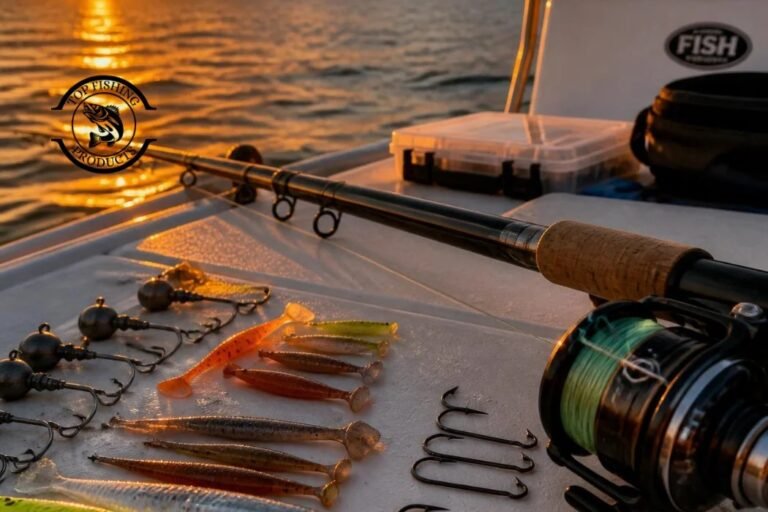
When shopping for budget fishing tackle, it helps to think in terms of versatility rather than quantity. A tackle box overflowing with speciality lures for one specific fish species isn’t nearly as useful as a smaller collection that covers multiple situations.
A solid starter tackle selection typically includes:
- A range of soft plastic worms in natural colors
- A few crankbaits for covering water quickly
- Basic jigs in different weights
- A selection of hooks in sizes appropriate for panfish through bass
- Bobbers or floats for shallow water fishing
- Extra fishing line, since line degrades with sun exposure and use
As a result, you end up prepared for a wider variety of fishing conditions without spending money on niche lures you might only use once or twice a season.
Common Mistakes Buyers Make
Even experienced shoppers fall into a few predictable traps when building a budget fishing kit.
Buying based on color alone. A pink or teal rod isn’t automatically better suited to a woman’s grip or casting style. Always check the actual specs, including rod weight, handle material, and reel gear ratio, rather than assuming a color-coordinated combo was designed with better ergonomics in mind.
Overbuying tackle. It’s tempting to grab every lure that looks interesting, but most beginners end up using a small fraction of what they purchase. Starting with a focused selection and expanding based on actual experience saves money in the long run.
Ignoring reel maintenance. Reels that aren’t rinsed after saltwater use or cleaned periodically will corrode faster, regardless of how much they originally cost. On the other hand, a properly maintained budget reel can outlast a neglected expensive one by years.
Skipping the fitting process for waders and vests. Sizing charts vary between brands, so relying on a single brand’s sizing across different gear types often leads to poor fits. It’s worth trying gear on, or at least checking a brand’s specific measurement guide, before buying anything wearable.
Best Beginner Fishing Gear by Fishing Style
Not every angler fishes the same way, so gear needs to shift depending on the setting.
River or stream fishing: Lighter lures and a slightly shorter rod offer better control in tighter spaces with more current. Wading boots with good grip become more important here than in still water.
Freshwater lake or pond fishing: A medium-action spinning combo, a basic tackle assortment, and a simple tackle bag cover most situations. This is typically the most affordable starting point since gear doesn’t need to withstand saltwater corrosion.
Kayak fishing: Compact, lightweight gear matters even more since storage space is limited. A properly fitted life vest is non-negotiable, and a smaller tackle box that fits kayak storage compartments makes a real difference.
Saltwater or coastal fishing: Corrosion-resistant reels and hooks are essential. Budget gear can still work here, but it needs to be rinsed with fresh water after every use to avoid rapid deterioration.
Maintenance Tips to Extend the Life of Budget Gear
Budget gear performs best when it’s cared for properly, and this is actually where a lot of anglers lose value without realizing it.
Rinse reels with fresh water after saltwater trips, and let them air dry before storing. Also, check the line regularly for fraying or brittleness, since the old line snaps at the worst possible moments. In addition, store rods vertically or in a rod sleeve to avoid warping over time. Finally, oil reel components periodically according to the manufacturer’s guidelines, since dry gears wear down faster and create a gritty, inconsistent retrieve.
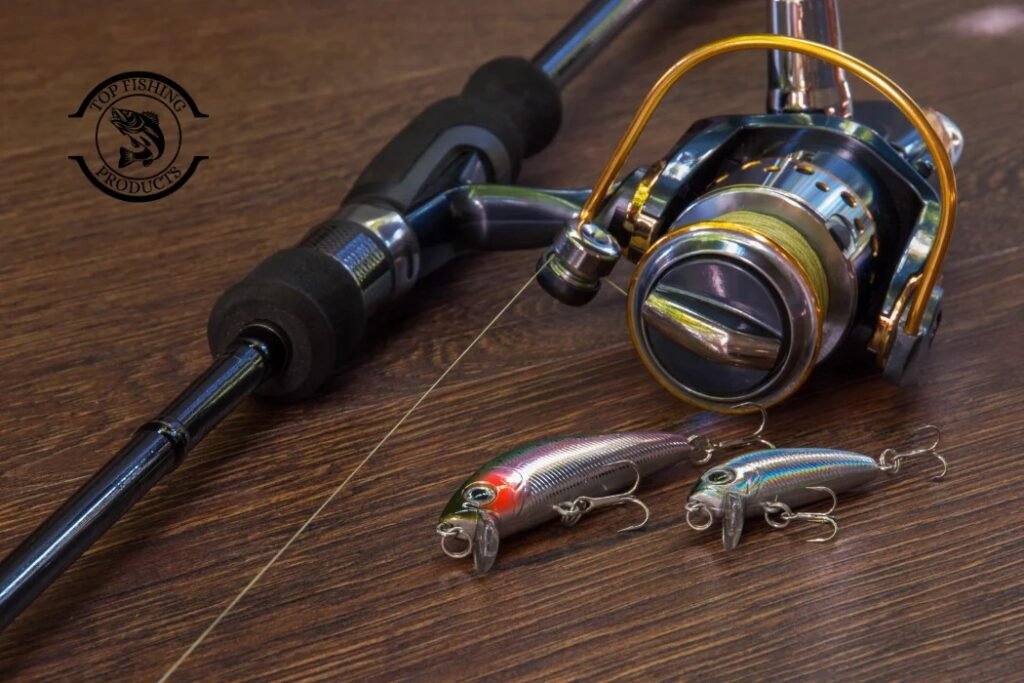
None of this requires much time, but skipping it consistently shortens the lifespan of even well-made gear.
Final Verdict
Finding the best budget-friendly fishing gear for women isn’t about hunting down items labeled specifically for women. It’s about understanding fit, function, and value, then applying that knowledge to whatever gear actually meets those standards. A well-matched rod and reel combo, a focused tackle selection, and a few key accessories will take a new angler much further than an expensive setup chosen for its packaging alone. Prioritize comfort, proper maintenance, and gear suited to your specific fishing style, and the rest tends to fall into place naturally.
Frequently Asked Questions
Is expensive fishing gear always better than budget gear?
Not necessarily. Higher prices sometimes reflect brand name or added features that casual anglers don’t need. A well-reviewed budget combo can perform just as reliably for everyday fishing.
Do women really need gear marketed specifically to them?
Not always. What matters more is fit, rod weight, and grip comfort. Some “women’s” gear does address these factors well, but plenty of unisex gear works just as effectively if it fits properly.
How much should a beginner expect to spend on a full starter kit?
A reasonable starter kit, including a rod and reel combo, basic tackle, a tackle bag, and essential accessories, typically falls between $80 and $150 depending on the brand and fishing environment.
How often should reels be cleaned?
For regular freshwater use, cleaning every few trips is usually enough. Saltwater use requires rinsing after every single outing to prevent corrosion.