The first time a big catfish took my line and just kept going, I remember standing there wondering if I’d hooked a submerged log instead of a fish. That moment is what pulls so many anglers into catfish fishing and keeps them coming back. These fish are strong, unpredictable, and far more interesting than their reputation as a bottom-dwelling afterthought suggests. Whether you’re standing on a riverbank at dawn or anchored over a deep hole at midnight, catfish reward patience and punish sloppy technique in equal measure.
This guide walks through everything you need to know, from understanding the different species to picking the right gear, choosing the best time to fish, and avoiding the mistakes that keep beginners from connecting with their first real catfish. By the end, you’ll have a clear, practical roadmap instead of a scattered pile of tips.
Understanding Catfish Before You Start
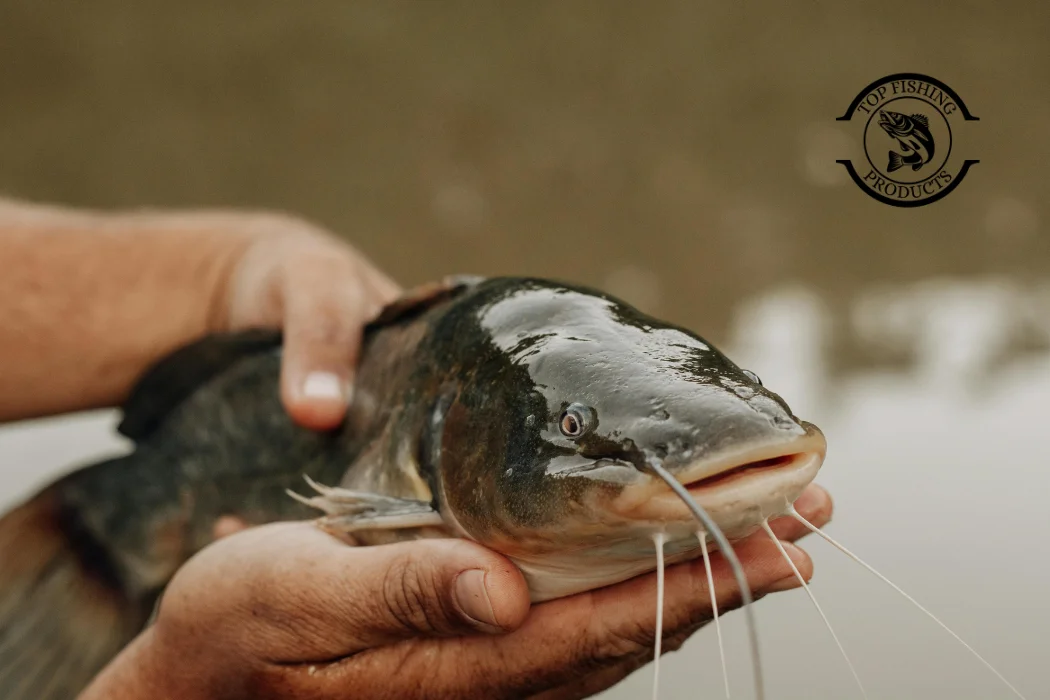
Catfish are not a single fish with one set of habits. In North America, three species dominate most freshwater systems: channel catfish, blue catfish, and flathead catfish. Each behaves differently, which matters more than most beginner guides admit.
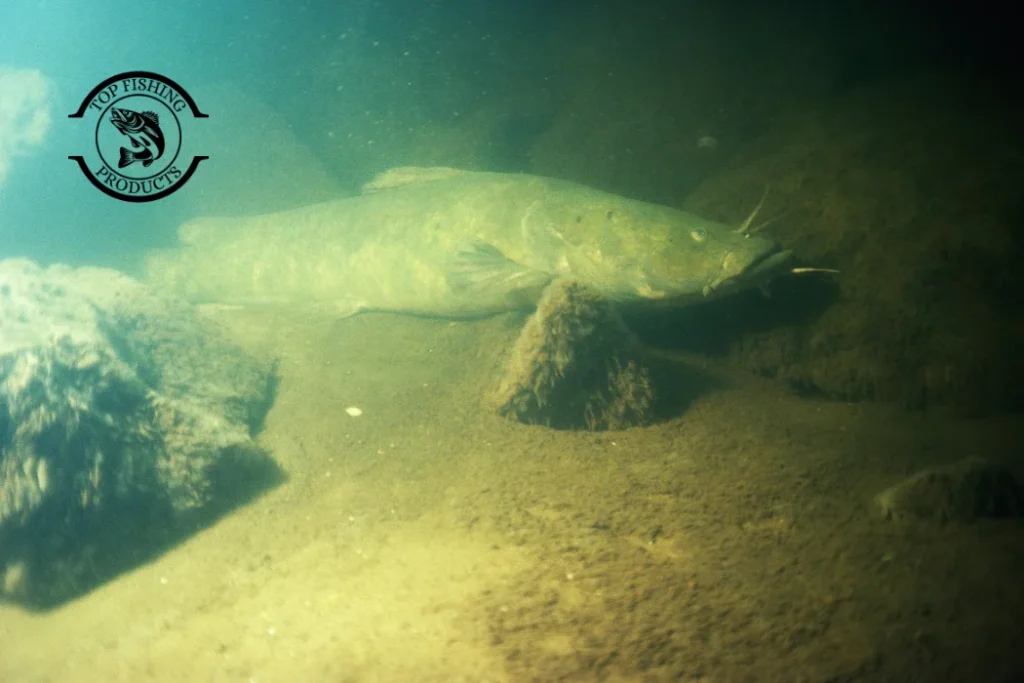
Channel catfish are the most common and the most forgiving for new anglers. They eat almost anything, tolerate a wide range of water conditions, and show up in ponds, rivers, and reservoirs across the country. Blue catfish grow much larger, often exceeding 50 pounds in big river systems, and they prefer moving water with strong current. Flathead catfish are the outliers of the group. Unlike their cousins, they hunt live prey almost exclusively and rarely touch cut bait or stinkbait, which surprises a lot of newcomers.
Knowing which species lives in your local water changes everything about your approach, from bait selection to gear strength. A setup built for channel cats in a farm pond will get destroyed by a blue catfish in a fast-moving river.
Where to Find Catfish
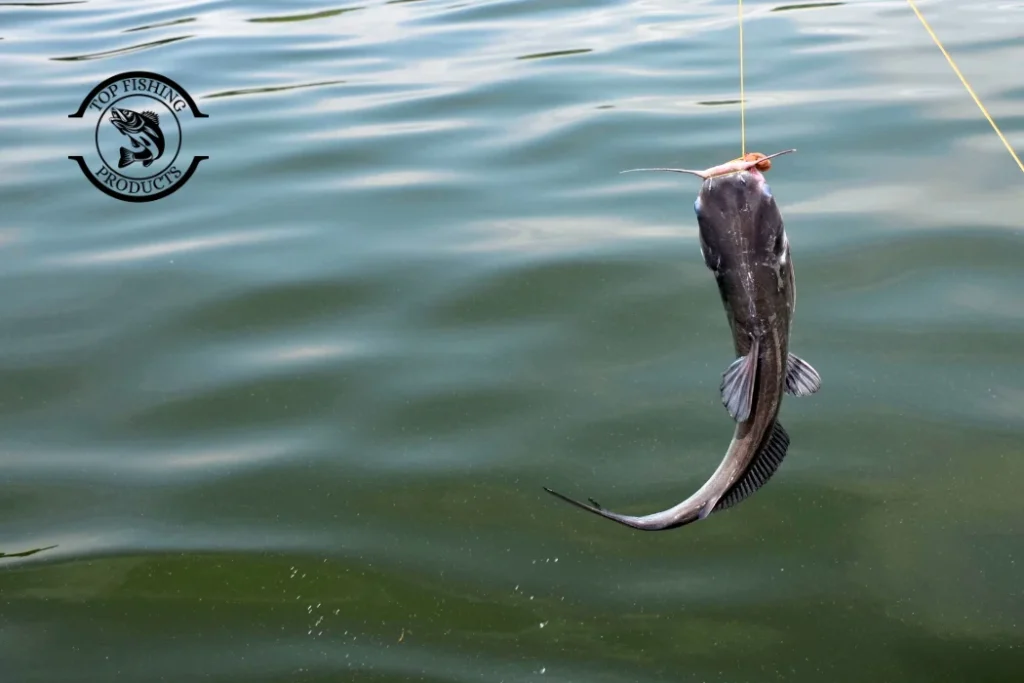
Catfish are structure-orientated fish, and understanding where they hold is one of the most overlooked parts of catfishing tips found online. They favor areas with cover, current breaks, and easy access to food, rather than open, featureless water.
Look for these areas first:
- Deep holes below dams or where two currents meet
- Submerged timber, brush piles, and rock ledges
- Channel edges where shallow water drops into deeper flow
- Areas near baitfish activity, especially shad or bluegill
- Muddy or stained water sections, which catfish tolerate better than most gamefish
In rivers, current seams are especially productive because catfish sit just outside the fast water, conserving energy while waiting for food to drift past. In lakes and ponds, focus on drop-offs, points, and any structure that breaks up an otherwise flat bottom. During the day, catfish often pull back into deeper, shaded holes. As light fades, they move shallower to feed, which is why understanding location has to work hand in hand with timing.
Best Time to Catch Catfish
Timing shapes catfish behavior more than most anglers expect, and this is one area where competitor guides tend to give vague, generic answers. The truth is more specific.
Catfish feed most actively during low-light periods. Dusk, dawn, and full darkness consistently produce better results than midday fishing, especially in clear water. Their sense of smell and taste, not their eyesight, drives most of their feeding, so darkness does not slow them down the way it does with sight-feeding species.
Seasonally, late spring through summer offers the most consistent action, particularly as water temperatures climb into the 70s. Warmer water speeds up their metabolism and increases feeding frequency. That said, fall can produce some of the largest fish of the year, as catfish feed heavily to prepare for winter. Winter fishing slows down considerably, though it’s not impossible, especially in deep, slow-moving water where fish congregate and become somewhat lethargic but still catchable with patience.
A rising barometric pressure trend before a storm often triggers a strong feeding window. Many experienced anglers plan trips specifically around that pressure shift rather than the calendar alone.
Catfish Fishing Basics: Equipment Overview
Getting your gear right prevents most early frustration. Catfish fishing basics don’t require expensive equipment, but they do require equipment matched to the size of fish you’re targeting.
Rods and Reels A medium-heavy to heavy rod with a strong backbone works for most situations. Pair it with a reel that has a smooth, reliable drag system, since catfish often make sudden, powerful runs. Baitcasting reels handle heavier line and bigger fish better, while spinning reels remain a solid, beginner-friendly option for smaller channel cats.
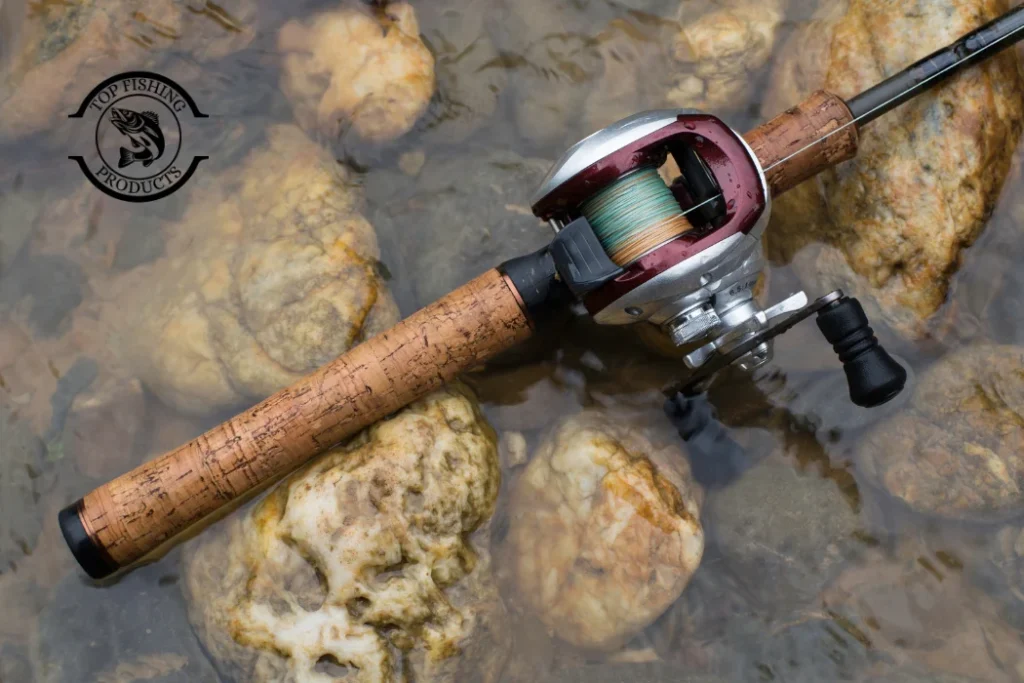
Line Monofilament in the 15 to 30 pound range covers most channel and smaller blue catfish scenarios. For larger blues or flatheads in heavy cover, braided line offers better strength and abrasion resistance without adding excessive diameter.
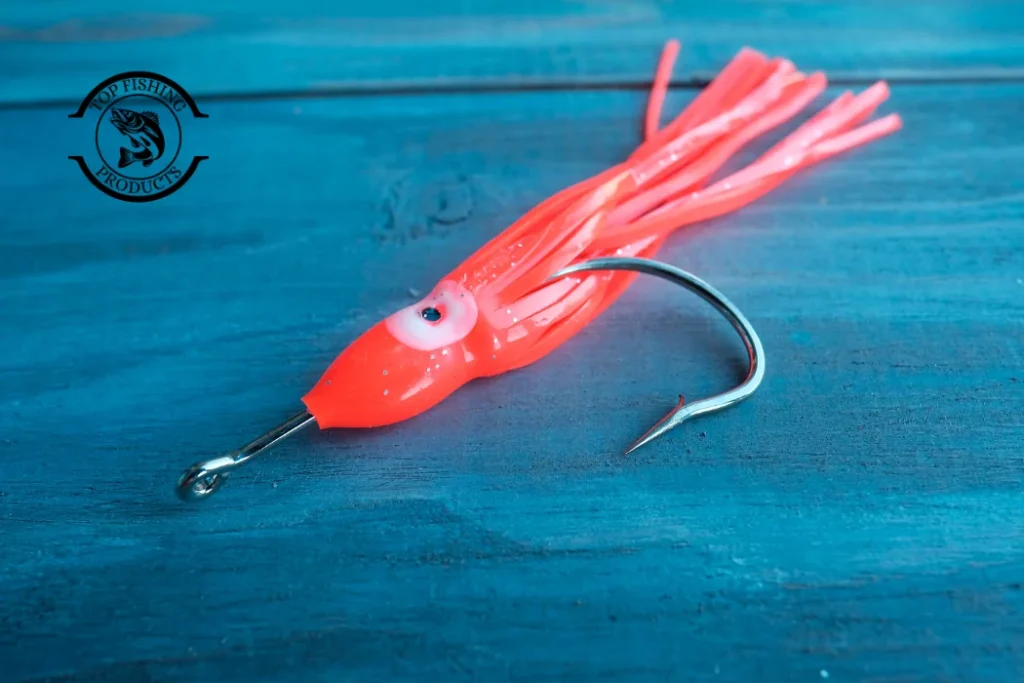
Hooks and Terminal Tackle Circle hooks are worth learning early. They reduce deep hooking and improve hookup rates once you get used to letting the fish load the rod instead of setting the hook manually. Sizes typically range from 4/0 to 8/0 depending on bait size and target species.
Weights and Rigs A basic slip sinker rig, sometimes called a Carolina rig, handles most bottom fishing situations. It allows a catfish to pick up bait and move without immediately feeling resistance from the weight, which results in fewer dropped baits.
How to Catch Catfish: Step-by-Step Approach
Learning how to catch catfish consistently comes down to combining the right location, bait, and presentation rather than relying on luck.
1. Choose Your Bait Based on Species Cut bait, chicken liver, and stinkbait work well for channel catfish. Blue catfish respond strongly to fresh cut shad or skipjack herring. Flathead catfish require live bait such as bluegill or small sunfish, since they rarely take anything that isn’t moving.
2. Rig Your Line for the Situation In current, use a slip sinker rig heavy enough to hold bottom without dragging. In still water, a lighter setup or even a simple slip bobber can work well, especially at night when catfish move shallower.
3. Cast to Structure, Not Open Water Target the areas discussed earlier rather than blind-casting into featureless sections. Precision matters more than distance here.
4. Let the Fish Commit This is where many beginners go wrong. Catfish often mouth bait before fully taking it. Resist the urge to set the hook immediately. With circle hooks especially, let the rod bend and the fish hook itself as it turns away.
5. Fight Smart, Not Hard Keep steady pressure and let your drag do the work during strong runs. Pumping the rod too aggressively on a big fish increases the chance of a pulled hook.
Common Mistakes Beginners Make
A few recurring mistakes separate frustrated first-timers from anglers who consistently connect with fish.
- Using bait that’s too fresh or too clean. Catfish rely heavily on scent, and slightly aged cut bait often outperforms fresh bait for channel cats.
- Fishing the wrong depth for the season. Staying shallow in the heat of summer afternoons, when fish have pulled into deeper, cooler water, wastes a lot of time.
- Setting the hook too early. This is especially common with circle hooks, where patience matters more than reaction speed.
- Ignoring current breaks. Casting into the main current instead of the seam beside it often means missing where the fish are actually holding.
- Underestimating drag strength needed. A loose drag on a big blue catfish run can result in a snapped line or an emptied spool.
Safety Considerations
Catfish have sharp pectoral and dorsal fin spines that can cause a painful puncture if handled carelessly. Always approach from behind the head and support larger fish under the belly rather than gripping near the fins. If you’re night fishing, which is often the most productive time, bring a reliable headlamp, let someone know your location, and be extra cautious near steep or slick banks, since most catfishing accidents happen from slips rather than the fish itself.
Seasonal Considerations for Consistent Success
Adjusting your approach across the year keeps results steady instead of unpredictable.
In spring, focus on shallower flats and creek mouths as water warms and fish move to feed. Summer favors early morning, late evening, and overnight sessions near deeper structure. Fall often produces trophy-sized fish as catfish bulk up before winter, making it an underrated season among casual anglers. Winter requires slowing down significantly, targeting deep holes, and expecting fewer but potentially larger bites.
Expert Insight and Pro Tips
Experienced catfish anglers often repeat a few core habits that newer anglers overlook. Reapplying fresh scent to bait every 20 to 30 minutes keeps a scent trail active in current. Fishing multiple rods at slightly different depths helps identify where fish are actively feeding on a given day. Finally, keeping a simple log of water temperature, time of day, and catch results builds a personal pattern faster than any generic guide can provide.
If you’re looking to build on these fundamentals, exploring dedicated resources on rigging techniques for moving water can help you fine-tune presentations for specific river conditions, which is a natural next step once the basics feel comfortable.
Final Verdict
Catfish fishing rewards anglers who pay attention to details rather than those who rely on generic advice. Matching your bait, timing, and location to the species you’re targeting makes the difference between an occasional catch and consistent success. Start with the fundamentals covered here, adjust based on your local water, and let patience guide your hook sets. Once these basics become second nature, you’ll find that catfish fishing offers some of the most rewarding and unpredictable action in freshwater angling.
Frequently Asked Questions
What is the best bait for catfish?
It depends on the species. Channel catfish respond well to stinkbait and chicken liver, blue catfish prefer fresh cut shad, and flathead catfish require live bait.
Do catfish bite better at night?
Yes, in most conditions. Their reliance on smell rather than sight means darkness does not hinder feeding, and cooler nighttime temperatures often increase activity.
How deep should I fish for catfish?
This varies by season and water body, but deeper holes and channel edges tend to hold fish during the day, while shallower areas become productive during low light.
Can beginners catch catfish without a boat?
Absolutely. Bank fishing near current seams, bridges, and deep holes can be just as productive as boat fishing, especially for channel catfish.
Why do catfish sometimes drop the bait before I set the hook?
This usually happens when the hook set comes too early. Circle hooks solve this problem by allowing the fish to hook itself as it swims away.
What size hook should I use for catfish?
Hook size should match bait size and target species, typically ranging from 4/0 for smaller channel cats to 8/0 for larger blue or flathead catfish.