Some days the fish are right there — you can see them, you know they’re feeding — and yet nothing you do gets a bite. They bolt the second your lure hits the water, or they simply drift away like they sensed you coming. That’s what anglers mean when they talk about spooky fish, and figuring out how to catch spooky fish is one of the most humbling problems in the sport.
The good news is that edgy, skittish fish aren’t impossible to catch. They just demand that you change how you approach them, present your lure, and think about the whole situation. This guide breaks down the real reasons fish get spooked, the stealth tactics that work consistently, and the mistakes that blow your chances before you even make a cast.
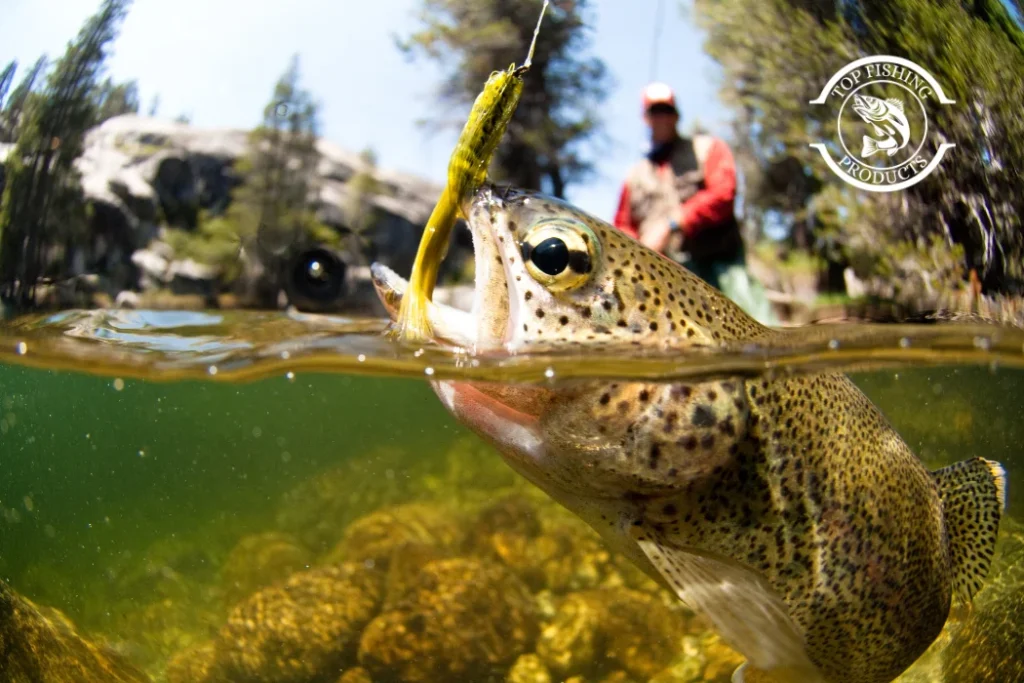
Why Fish Get Spooked in the First Place
Before you can fix the problem, it helps to understand what’s actually happening. Fish don’t spook randomly — there’s always a trigger.
Vibration through the water. Fish detect pressure waves through their lateral line, a sensory system that’s incredibly sensitive. Heavy footsteps on a dock, a boat motor idling too close, or a hard-dropping anchor all send shockwaves that fish feel before they hear or see anything. In shallow water, this effect is amplified because there’s nowhere for the wave to dissipate.
Shadow and silhouette. A moving shadow passing over fish triggers a predator-avoidance instinct. This is especially true in clear water where light penetration is high. Even standing in the wrong position relative to the sun can put fish down.
Unnatural sounds above the surface. Loud talking, a dropped paddle, a tackle box slamming shut — fish in shallow or calm water pick up on all of it. Sound travels faster in water than in air, and the surface acts like a membrane that transmits noise downward.

Fishing pressure. This one gets underestimated. Fish in heavily fished spots learn to associate certain presentations — specific lure colors, splash sounds, line angles — with danger. These fish aren’t just cautious by nature; they’ve been trained to be wary.
Understanding these triggers points directly to the solutions.
The Approach: Getting Into Position Without Blowing the Spot
This is where most anglers make their biggest mistake. They focus on the cast and the retrieve, but the approach is what decides whether fish are catchable at all.
Stay Low and Move Slowly
When fishing clear water from the bank or wading, your profile above the waterline matters. Fish looking upward through the surface see a distorted window of the sky — anything moving quickly through that window stands out. Crouch when you’re within casting range, and avoid sudden movements.
Wading anglers should shuffle their feet rather than lifting them out of the water with each step. The less surface disturbance you create, the better. Wet wading is often quieter than wading in stiff waders, and felt soles grip without clunking on rocks.
Control Your Shadow
Before you set up for a cast, check where your shadow is falling. If it’s stretching out over the water toward the fish, move. Position yourself so the sun is at your back or off to the side, not projecting your outline over the target zone. This matters most in the early morning and late afternoon when shadows are long.
Boat Positioning
On a boat, cut the motor well before you reach the area you want to fish. Use an electric trolling motor at low speed, or better yet, use a pole to push through shallow water. Anchor quietly — lower the anchor by hand, don’t drop it. Every noise you make before the first cast is working against you.
Drift fishing can be extremely effective for spooky fish because the boat is moving naturally with wind or current, making it feel less threatening than a stationary vessel with an idling motor.
Presentation Adjustments for Wary Fish
Even if your approach is perfect, spooky fish require a different kind of presentation than what you might use in stained or deeper water.
Lead the Fish, Don’t Cast At It
One of the most reliable tactics for catching wary fish is to cast well ahead of where the fish is positioned, then let the lure settle or drift naturally into the strike zone. Casting directly at a fish — especially in shallow, clear water — almost always spooks it. The splash, the line landing nearby, the sudden appearance of something overhead: all of it triggers an escape response.
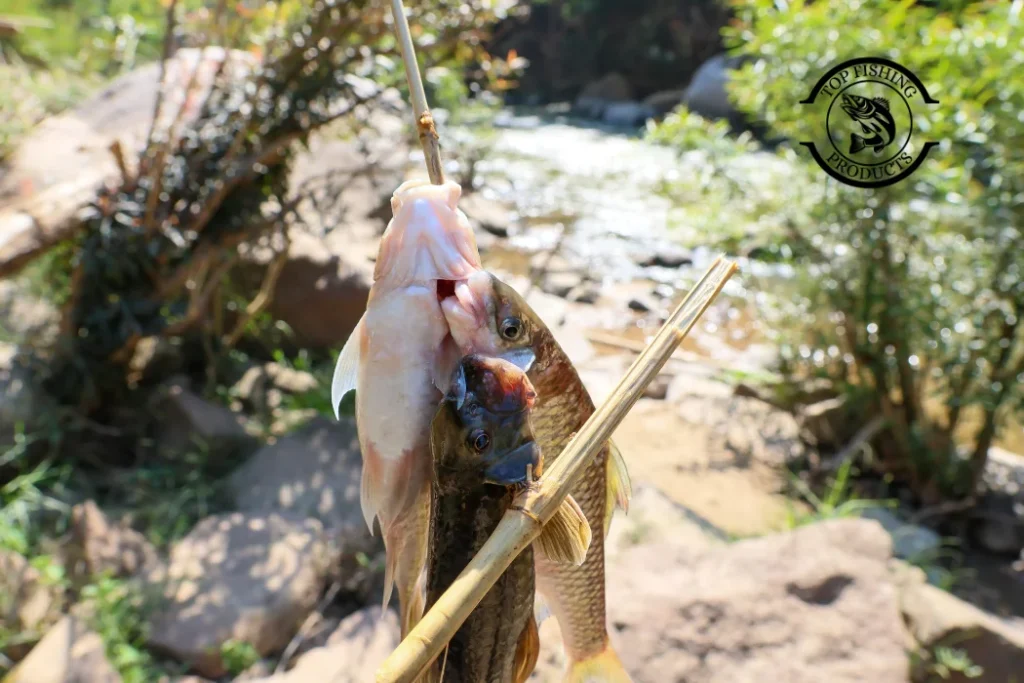
Aim to land your lure 4 to 8 feet ahead of the fish’s position or its direction of travel, then work it into range slowly.
Slow Down Your Retrieve
In clear water conditions, fish have more time to inspect your lure. A fast retrieve that might trigger a reaction bite in murky water looks unnatural and suspicious when fish can see clearly. Slow down, add pauses, and let the lure do its work.
With soft plastics, a dead-drop presentation — where you cast out and let the lure sink with zero additional movement — can be devastatingly effective on fish that have seen everything else.
Downsize Everything
Light line fishing is a significant advantage when targeting spooky fish. Heavier line creates more surface disturbance on entry, casts with less delicacy, and is more visible to fish in clear water. Dropping from 12-pound monofilament to 6-pound fluorocarbon can make a noticeable difference on pressured fish.
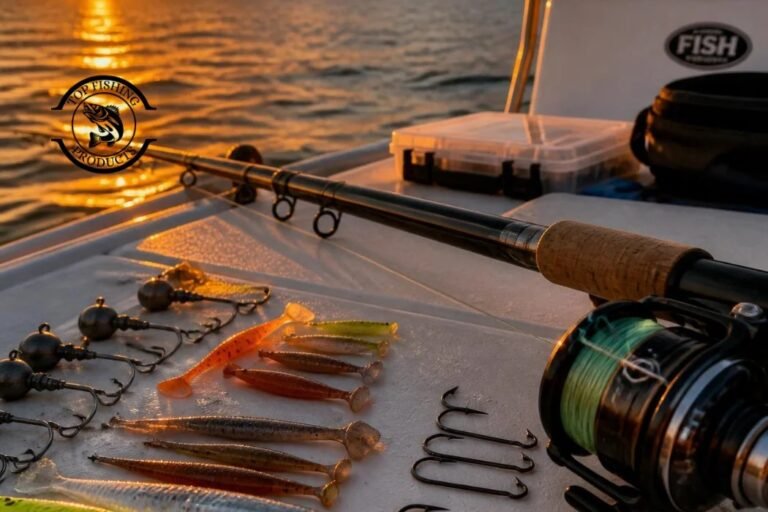
The same logic applies to lures. Go smaller. A 3-inch finesse worm often outperforms a 5-inch stick bait on cautious fish, even in situations where larger presentations normally dominate. Smaller hooks, lighter weights, and more natural colors all contribute to a presentation that doesn’t raise alarms.
Match the Hatch More Precisely
Spooky fish, particularly in clear water, often key in on a specific food source. If they’re eating small shad, a chrome spinnerbait won’t cut it — you need something that actually resembles the size and color of what they’re feeding on. Spend a few minutes observing what’s in the water before picking your presentation.
Stealth Fishing Techniques That Consistently Deliver
Beyond the basic adjustments, there are specific approaches that have proven track records with wary fish.
Fly Fishing and Ultralight Spinning
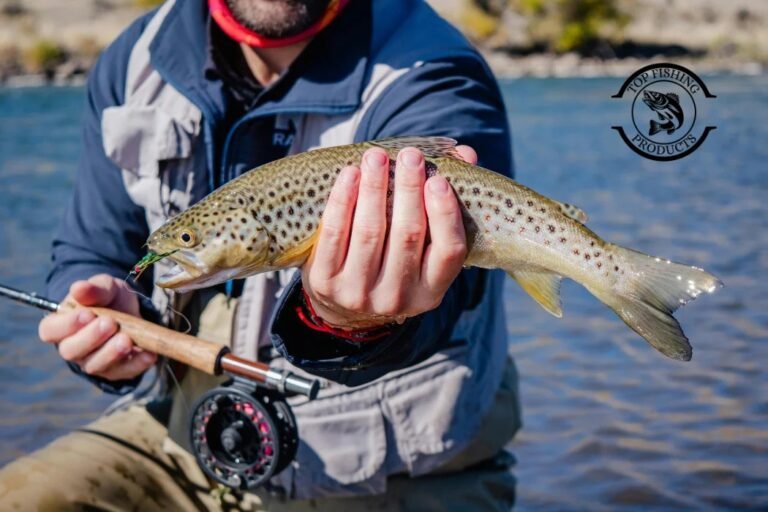
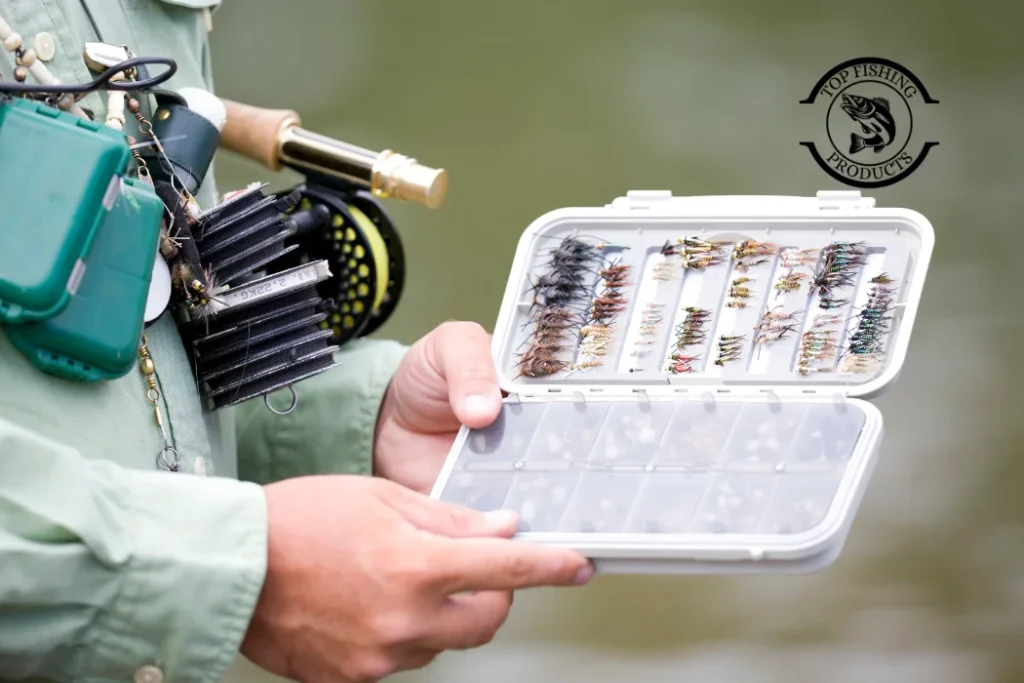
The gentle presentation of a fly — drifting naturally with the current, landing softly on the surface — is one of the least intrusive ways to get a lure in front of a spooky fish. Fly fishing in clear water streams is the classic application, but even ultralight spinning gear, matched with 4- to 6-pound line and small lures, offers a similar advantage in calmer water.
Long Casting
If you can’t get close without spooking fish, the answer is to not get close. Long casts let you work the water from a position that doesn’t disturb fish. This requires practicing accuracy at distance, but it’s a real skill that pays off. Braid as a main line with a fluorocarbon leader gives you casting distance without sacrificing invisibility near the lure.
Sight Fishing with Patience
When you can see individual fish, resist the urge to cast immediately. Watch the fish. Where is it heading? Is it actively feeding or just holding? Is it alert and nervous, or relaxed and finning slowly? A relaxed fish that’s feeding is catchable. An alert fish that’s already stressed is usually not worth burning your first cast on — it may spook the others nearby. Wait for the right moment.
Topwater at Low Light
Dawn and dusk reduce visibility from a fish’s perspective, making them less spooky overall. Fishing clear water conditions at these times with a subtle topwater lure — a soft popper or a walking bait worked slowly — can connect you with fish that wouldn’t touch anything during midday.
When These Tactics Stop Working
It’s worth being honest about the limits of stealth fishing. There are situations where even perfect execution won’t get bites.
Post-spawn recovery. Fish coming off the spawn are often lethargic and disinterested. They may not be spooky exactly, but they’re also not feeding actively. No amount of stealth helps when fish simply aren’t in a feeding mood.
Extreme cold fronts. After a severe cold front, fish in shallow water often go completely dormant. The barometric pressure drop, combined with the temperature change, shuts feeding down. Moving to deeper structure and slower presentations is usually a better response than doubling down on stealth in the shallows.
Severe angling pressure on the same day. If you’re the fifth boat on a flat that’s been hammered all morning, the fish have been spooked repeatedly. Sometimes the right move is to leave and come back in the evening, or find water that hasn’t been touched.
Current that masks your approach. In moving water, fish face into the current and rely on it to bring food to them. Your approach from downstream is far less threatening than approaching from upstream. If you can’t position yourself below the fish, stealth tactics may be fighting an uphill battle.
Common Mistakes Anglers Make with Spooky Fish
Casting too soon. Taking a few extra seconds to assess the situation – where the fish is, how it’s oriented, whether it’s alert – almost always results in a better cast and a better outcome. Rushing the cast is the most common way to blow an opportunity.
Fishing the same spot repeatedly. If you spook a fish or a school, giving that area more time to calm down is better than continuing to work it. Move away, fish somewhere else for 20 minutes, and then return.
Ignoring line visibility. Many anglers switch to smaller lures without switching to lighter, less visible line. In clear water, fluorocarbon is worth the price. It sinks, has low stretch for good sensitivity, and is genuinely harder for fish to see than mono or braid.
Talking loudly or moving suddenly on the boat. Sound travels underwater, and sudden movements above the waterline are visible to fish that are within their cone of vision. Keep noise minimal when you’re on the water around fish.
A Quick Field Checklist
Before making your first cast to spooky fish, run through these:
- Am I positioned so my shadow isn’t falling over the fish?
- Have I cut the motor/stopped wading and waited 60 seconds?
- Am I using light enough line (fluorocarbon 6–10 lb for most clear water situations)?
- Is my lure small enough and subtle enough in color?
- Do I have a plan for where to land the cast relative to the fish’s position?
- Can I see the fish and tell whether it’s relaxed or already alert?
If you can check all of these before the cast, you’re already ahead of most anglers working the same water.
Final Verdict
Catching spooky fish comes down to slowing down and paying attention. The anglers who consistently connect with pressured, cautious fish aren’t doing anything exotic — they’re just more deliberate about their approach, more careful with their presentation, and more patient overall.
Start with the approach. If you blow the approach, nothing else matters. Then adjust your gear toward lighter line and smaller, more natural-looking lures. Cast ahead of the fish, slow down the retrieve, and resist the urge to work an area that’s already been disturbed.
There’s also a useful breakdown of how line choice affects presentation for finesse fishing over at our guide to fluorocarbon vs monofilament for clear water applications—worth reading if you’re not already running fluoro as your clear-water default.
The core truth about how to catch spooky fish is that they’re not uncatchable — they’re just less forgiving of shortcuts. Fix the shortcuts, and they’ll bite.
FAQ
Why do fish spook more in clear water than in murky water?
In turbid or stained water, fish rely more heavily on their lateral line and less on vision. In clear water, they can see farther, which means they detect threats — including anglers and lures — from a greater distance. The clearer the water, the more critical every element of your approach becomes.
Does the time of day affect how spooky fish are?
Yes, significantly. Fish tend to be most active and most catchable during low-light periods — dawn, dusk, and overcast days. During bright midday sun, especially in clear shallow water, fish are more visually aware and more likely to spook. Adjusting your schedule to fish early or late is one of the simplest ways to deal with approaching fish quietly.
What’s the best line for catching wary fish in clear water?
Fluorocarbon is the standard recommendation for a reason. It has a refractive index close to water, making it nearly invisible below the surface. For most clear water situations targeting bass, trout, or panfish, 6- to 10-pound fluorocarbon gives you the right balance of invisibility, sensitivity, and strength. Light line fishing with braid works too, but pair it with a long fluorocarbon leader.
How do I know if a fish I can see is actually catchable?
Watch the fish before you cast. A fish that’s finning slowly, moving with purpose, and occasionally tipping down toward the bottom is feeding and catchable. A fish holding tight with its fins clamped, facing directly away from any likely food source, or already slowly moving away from the area is less likely to bite. If the fish looks relaxed, you have a shot.
Does weather affect how spooky fish are?
Absolutely. Calm, sunny days with high barometric pressure tend to produce the wariest fish, particularly in shallow, clear water. Overcast days reduce light penetration and make fish less visually alert. Wind chop on the surface also breaks up light and makes your presence harder for fish to detect. If you have a choice of when to target spooky fish, pick a slightly overcast, breezy day over a glass-calm bluebird morning.
Should I use scent products on my lures for spooky fish?
Scent can help, particularly if fish are close to taking the lure but hesitating. It masks human odors that transfer to lures through handling, and it can extend the amount of time a fish holds the bait before rejecting it. It’s not a magic fix, but it’s a low-cost addition that doesn’t hurt anything.