Fly fishing has a reputation for being complicated. Long casts, Latin bug names, expensive gear — it can feel like a lot before you even get near the water. But here’s the truth: most of that intimidation melts away once you actually try it. This beginner’s guide to fly fishing for women cuts through the noise and focuses on what actually matters when you’re just starting out.
Whether you’ve never held a fly rod or you’ve tagged along with someone but never cast yourself, this guide is written for you.
Why More Women Are Getting Into Fly Fishing
The fly fishing world has shifted. A decade ago, gear was almost exclusively designed for larger hands and broader shoulders. Today, brands are building rods specifically for women — lighter in weight, softer in flex, and better balanced for a different casting style.
Beyond the gear, women-specific fly fishing clubs, guided trips, and online communities have made the sport far more welcoming. Organizations like Women’s Fly Fishing and local orvis women’s clinics run throughout the season across the country.
Fly fishing also offers something other outdoor sports sometimes miss: quiet. You’re wading in a river, reading the current, and thinking about where a fish might be holding. It’s meditative in a way that’s hard to replicate elsewhere.
What Makes Fly Fishing Different from Regular Fishing
Most people have tried spin fishing — the kind where you cast a lure on a monofilament line and reel it back. Fly fishing works on a completely different principle. Instead of using the weight of a lure to carry the line out, you use the weight of the line itself to deliver a nearly weightless fly.
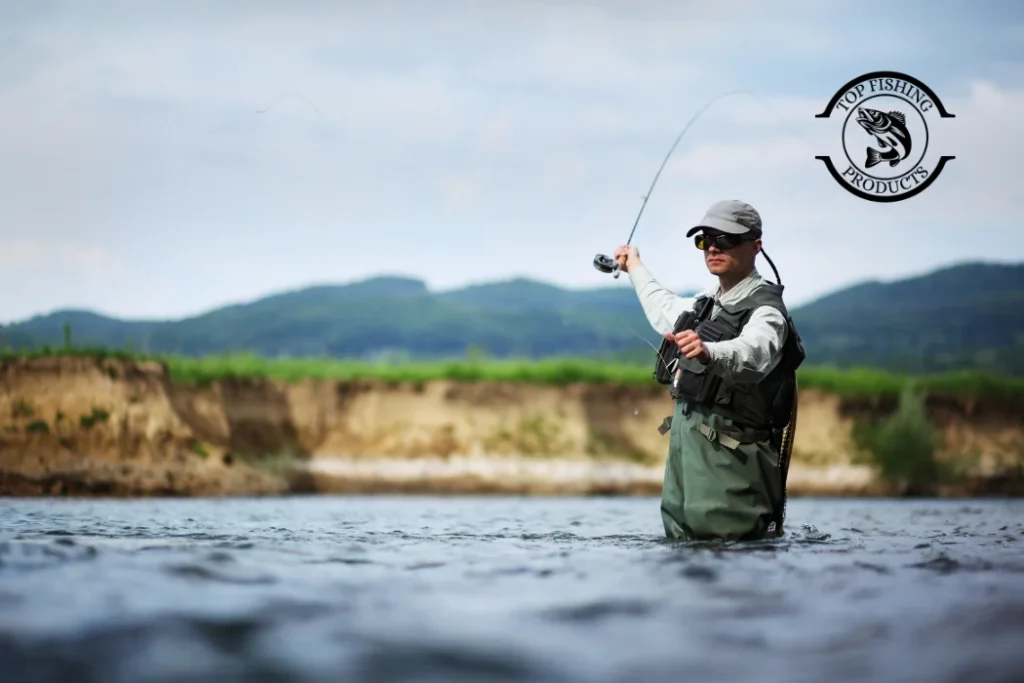
That’s the core idea. The fly — which imitates insects, small fish, or other food — is so light it couldn’t be cast on its own. The thick fly line does the work.
This matters for beginners because it means learning to cast is genuinely a new skill. It takes a bit of time. However, once it clicks, the motion feels natural and even satisfying to do well.
Choosing Your First Fly Rod
The fly rod is the most important piece of equipment you’ll buy. For beginners, getting this wrong leads to frustration; getting it right makes learning dramatically easier.
Rod Weight
Fly rods are rated by “weight,” ranging from 1 (very light, for small streams) to 14 (for large saltwater fish). For most freshwater fishing — trout, bass, panfish — a 5-weight rod is the standard starting point. It handles a wide range of conditions and is forgiving for beginners still developing their timing.
If you’ll mostly fish small streams with small flies, a 3- or 4-weight is worth considering. But if you’re not sure, go with a 5.
Rod Length
A 9-foot rod is the most common length and works in most fishing situations. It gives you good line control and reach. If you plan to fish tight, brushy streams, a shorter 7.5- or 8-foot rod may be more practical.
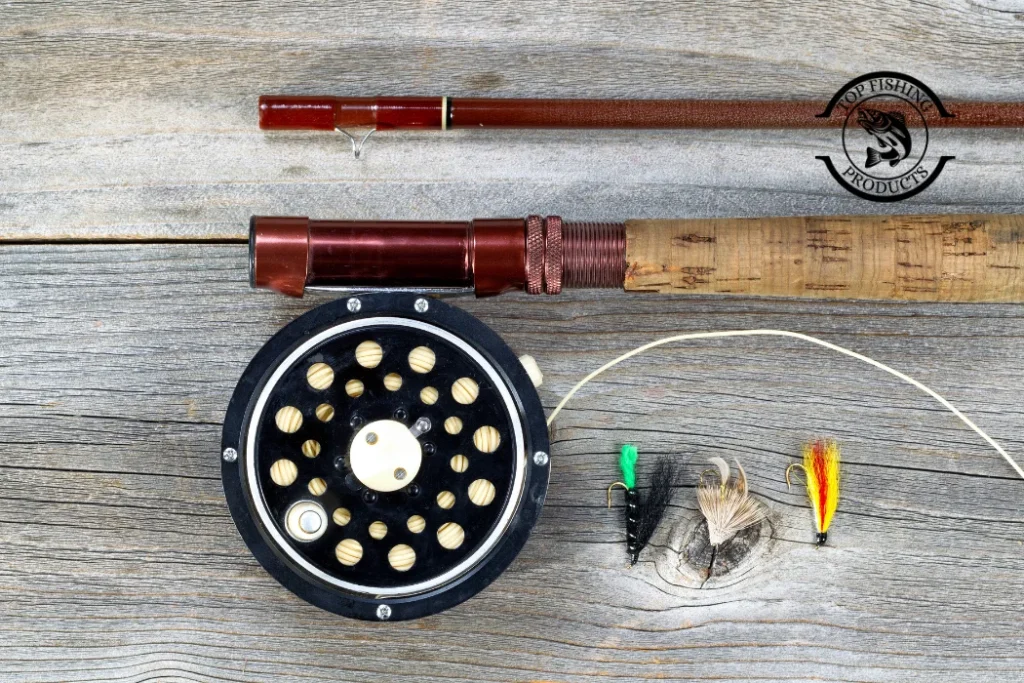
Lightweight Fly Fishing Equipment for Women
This is where things matter most. A rod that feels balanced and light in hand makes casting less fatiguing and more intuitive. For women especially, a rod in the 2.8–3.5 oz range is worth prioritizing. Brands like Orvis (Clearwater series), Redington (Crosswater, Vice), and Sage (Foundation) all make lightweight fly fishing equipment with more sensitivity and less bulk.
If possible, try casting a rod before you buy. Many fly shops will let you cast in a parking lot. What feels comfortable in your hand matters more than what a spec sheet says.
Building the Best Fly Fishing Setup for Beginners
A rod alone won’t get you fishing. You also need a reel, line, leader, and tippet — and understanding how these work together makes buying decisions easier.
The Reel
For beginners, the reel is mostly a line-storage device. You won’t be fighting large enough fish to worry about drag systems at first. Match the reel to your rod weight (a 5-weight rod needs a 5-weight reel) and make sure it’s not too heavy. A reel in the 3–4 oz range keeps the outfit balanced.
Pre-spooled combos — where the reel already comes loaded with line — are excellent for beginners and save you from the setup headache.
Fly Line
Fly line comes in several types, but for beginners, weight-forward floating line is the right choice. It casts easily and works in most situations. Again, match it to your rod weight.
Some lines are labeled “beginner” or “easy cast” — these have a shorter, heavier front taper that helps the line turn over without perfect technique. Worth it.
Leader and Tippet
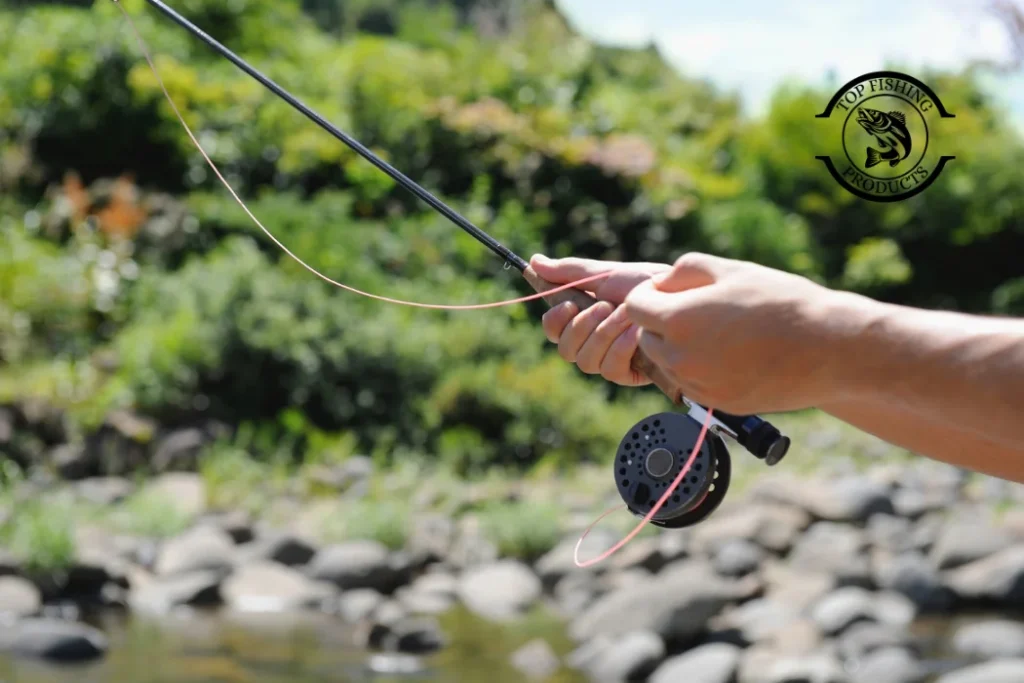
The leader is a tapered, nearly invisible section of monofilament that connects your fly line to your fly. It transfers energy from the thick fly line down to the delicate fly. For trout fishing, a 9-foot 4x or 5x leader covers most situations.
Tippet is the thin material you add to the end of your leader as it gets shorter from changing flies. Buy a small spool of 4x and 5x tippet to keep in your vest or pack.
Beginner Fly Fishing Gear You Actually Need
You don’t need to spend thousands of dollars to start. Here’s a realistic beginner list:
The Essentials
- 5-weight fly rod and matching reel (combo kits around $100–$200 are fine to start)
- Weight-forward floating fly line (often included in combos)
- 9-foot tapered leader
- Small spool of 4x and 5x tippet
- Polarized sunglasses (critical — they help you see fish and protect your eyes)
- Wading shoes or rubber-soled boots if you plan to wade
Helpful Additions
- A small fly box with a starter assortment of dry flies, nymphs, and streamers
- A landing net (rubber mesh is gentler on fish)
- Forceps or hemostats for removing hooks safely
- A vest or small hip pack for carrying gear
Skip the waders at first unless you know you’ll fish often. Many beginners wet-wade in warm months wearing quick-dry pants and wading shoes. It’s comfortable and much less expensive.
Learning to Cast: What to Expect
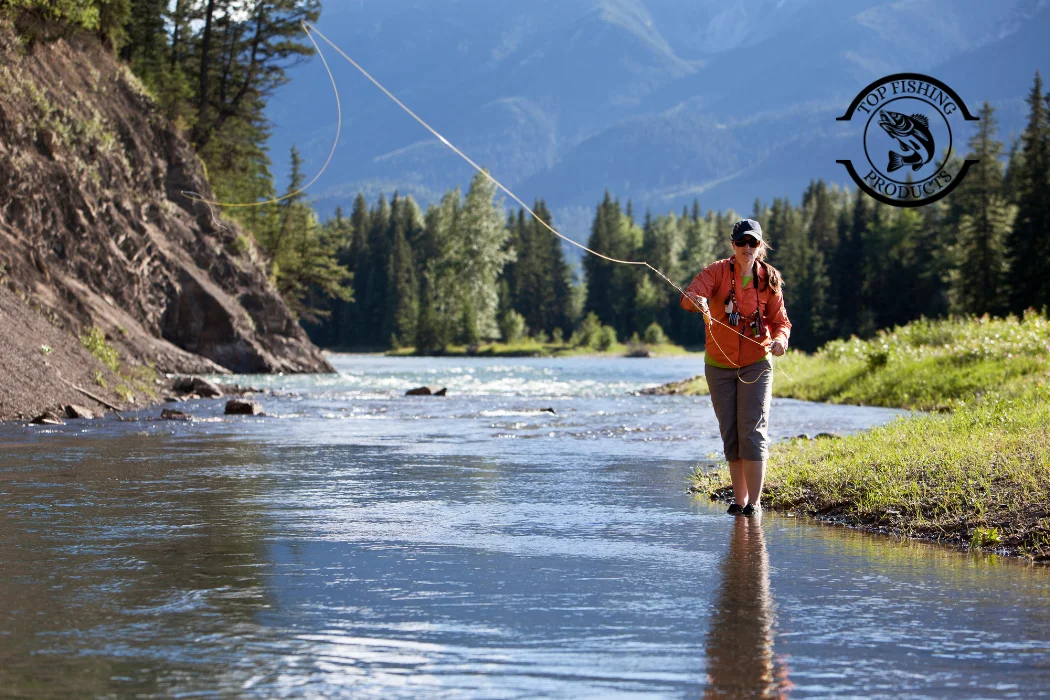
Casting is the part that scares most beginners. It shouldn’t. The basic overhead cast can be learned in an afternoon with the right guidance.
The motion is often described as moving between the 10 o’clock and 2 o’clock positions on a clock face, pausing to let the line load the rod behind you before casting forward. That pause is where most beginners go wrong — they rush it.
A few things that actually help:
- Watch the line behind you on the back cast. You’ll see when it’s fully extended and ready to come forward.
- Use your wrist and forearm together. Fly casting isn’t all wrist like spin fishing.
- Practice in a park with a piece of yarn instead of a fly. Seriously — no risk of tangling or hooking anything.
Taking a casting lesson from a certified Casting Instructor (the Federation of Fly Fishers certifies them) is worth every dollar. Even a two-hour session will shortcut months of trial and error.
Reading the Water: Where Fish Actually Are
Once you can get line out, the next skill is understanding where to fish. Fish don’t sit randomly in a river. They position themselves where food drifts to them with the least effort required.
Look for:
- Seams — where fast water meets slow water. Fish sit on the slow side and dart into the fast current to grab food.
- Riffles — shallow, fast water over rocks. Lots of insect activity happens here.
- Pools — deeper, slower sections below riffles. Larger fish often hold here.
- Structure — undercut banks, fallen logs, large boulders. Any place that offers cover and a break from the current.

You don’t need to identify every insect species to catch fish. Start by observing what’s flying or floating on the surface. If you see small insects in the air and fish rising to the surface, tie on a dry fly that roughly matches the size and color of what you see.
Common Mistakes Beginners Make (And How to Avoid Them)
Casting too hard. More power doesn’t make a better cast. Fly casting relies on timing, not force. If your line is piling up or cracking like a whip, slow down.
Ignoring the drift. Once your fly lands, the current should carry it naturally. If your line pulls the fly unnaturally fast (called drag), fish will ignore it. Mend your line upstream to correct this.
Moving too fast through water. Take a few casts in each spot before moving. Approach the water quietly and slowly — fish feel vibration through the ground.
Skipping the knots. A poorly tied knot will lose you fish and flies. Learn the improved clinch knot for attaching flies and the surgeon’s knot for joining tippet. Practice these at home before you’re on the water.
What to Wear on the Water
Fly fishing doesn’t require a uniform, but a few choices make a difference.
Dress in layers. River conditions change fast, and temperatures vary between early morning and midday. A synthetic base layer, light fleece, and a packable wind layer cover most situations.
Wear earth tones or muted colors. Bright clothing can spook fish in clear water.
For footwear, felt-soled wading boots grip slippery rocks well — though some states have banned felt soles to prevent the spread of invasive species. Check your local regulations. Rubber-soled boots with studs are a good alternative.
Polarized glasses are non-negotiable. They cut glare so you can see into the water, spot fish, and avoid wading into a hole you didn’t see.
Where to Start: Finding Good Beginner Water
Not all rivers are beginner-friendly. A wide, boulder-choked river with fast current is harder to wade and harder to cast on than a gentle meadow stream.
Look for:
- State or local parks with stocked trout streams
- Tailwaters below dams (often have year-round fish and predictable flow)
- Guided half-day trips on well-known beginner fisheries
Your local fly shop is the best resource here. They know what’s fishing well, what flies are working, and can point you toward water that fits your experience level. Don’t be shy about asking.
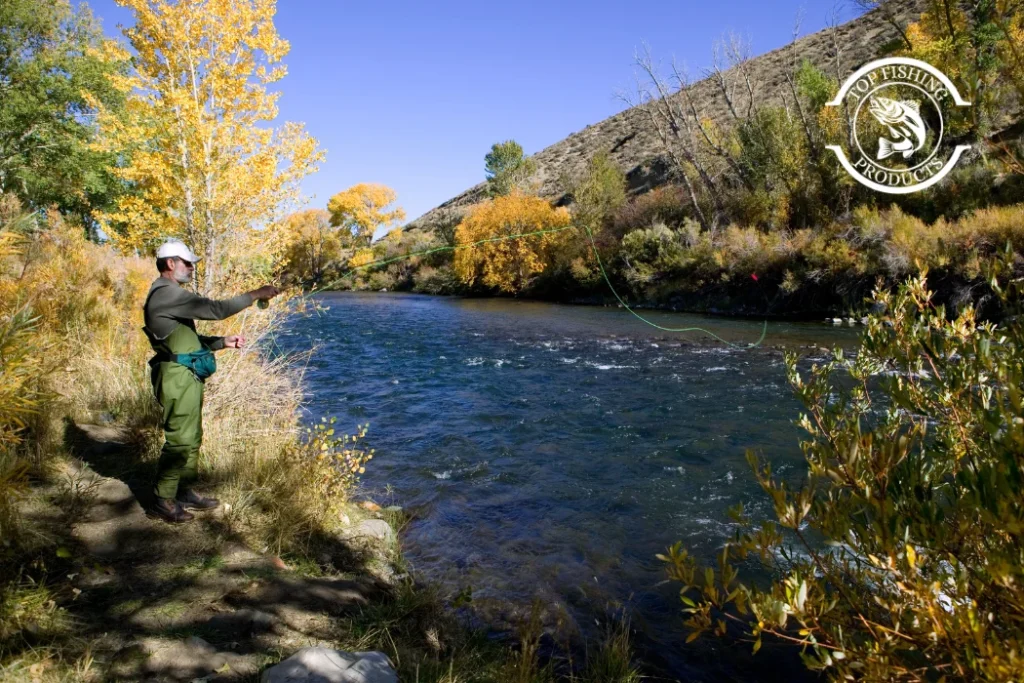
For more on selecting water and understanding fish behavior, check out resources from Trout Unlimited — they run women’s programs and beginner workshops in many regions.
Final Verdict
Learning to fly fish is one of the most rewarding outdoor skills you can develop, and there has never been a better time for women to get started. Lighter, well-designed gear makes the physical side easier. A growing community means you’re never stuck learning alone. And the sport itself—reading water, matching insects, and presenting a fly with precision—rewards patience and observation more than brute strength.
This beginner’s guide to fly fishing for women is just the starting point. The real learning happens on the water. Start simple, find a willing mentor or guide, pick water appropriate for your skill level, and give yourself time to develop the feel of a good cast.
You will make mistakes. You will tangle your line. You will probably get your boots wet in unexpected ways. That’s all part of it. Stick with it past those early stumbles and you’ll find something that becomes genuinely hard to put down.
Frequently Asked Questions
Do I need a fishing license to fly fish?
Yes. In almost every state, you need a valid fishing license before you fish in public water. Many states also require a trout stamp if you’re targeting trout. Check your state’s fish and wildlife agency website for current requirements and fees.
Is fly fishing physically demanding?
It depends on where and how you fish. Wading fast, rocky rivers can be tiring. Fishing from a bank or float tube is much more relaxed. As a beginner, start on gentler water so you can focus on casting and technique rather than staying upright.
Can I learn fly fishing without a guide or class?
Yes, but it takes longer. YouTube tutorials and beginner books help, but nothing replaces real-time feedback on your cast. Even one lesson early on prevents bad habits that are hard to unlearn later.
What fish can I catch fly fishing?
Trout (rainbow, brown, brook) are the most popular targets, especially for beginners. However, fly fishing works for bass, panfish, pike, carp, and even saltwater species like redfish and tarpon. Most beginners start with freshwater trout.
How much does it cost to get started?
A functional beginner setup — rod, reel, line, and accessories — can be put together for $150–$300. Quality improves as you spend more, but you don’t need expensive gear to learn and catch fish.
What if I have no one to take me fishing?
This is more common than you’d think. Guided trips are an excellent solution — many guides work specifically with beginners and women-only groups. Local fly shops often host beginner nights or connect you with fishing clubs that welcome new members.
.