Most anglers who struggle with crankbaits are making the same mistake — they’re treating the lure like it runs itself. Tie it on, chunk it out, crank it back. When nothing bites, they blame the bait. But crankbait fishing is far more nuanced than that, and once you understand how to work these lures with intention, you’ll realize why experienced bass anglers reach for them in more situations than almost any other hard bait.
This guide breaks down how to fish with crankbait in a way that actually improves your catch rate. Not the basics you’ve read a dozen times — the actual decisions and adjustments that separate consistent producers from guys who “tried crankbaits and they didn’t work.”
Why Crankbaits Are So Effective on Bass
Before you can fish them well, it helps to understand what makes a crankbait trigger strikes in the first place.
Bass are ambush predators. They conserve energy by sitting near structure, waiting for an easy meal to swim by. A crankbait mimics a disoriented or wounded baitfish — something moving erratically, deflecting off objects, and appearing vulnerable.
The wobble and rattle put out vibrations bass detect through their lateral line, which is especially valuable in stained or murky water. In clear water, the visual profile and lifelike finish become more important. The diving lip forces the lure down to a specific depth zone, allowing you to target fish at the exact level they’re holding.
What really makes crankbaits deadly is deflection. When the bait contacts a rock, a log, or a weed stem and kicks to the side, that sudden change of direction is an irresistible trigger. It looks like a baitfish that just bumped into something and lost its balance. Bass react instinctively.
Choosing the Right Crankbait for the Situation
Lip Style and Diving Depth
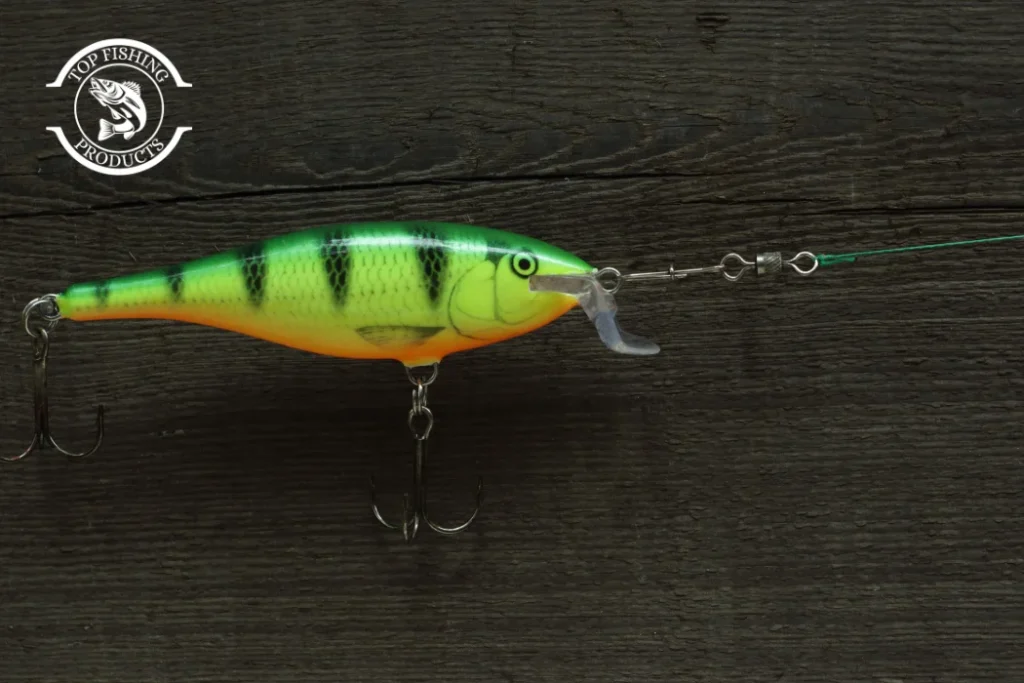
The lip determines how deep your bait runs. Shallow-diving crankbaits (0–6 feet) have shorter, nearly vertical lips. Medium divers (6–12 feet) have angled lips of moderate length. Deep diving crankbaits have long, extended bills that force the lure down to 15, 20, even 25 feet.
Matching your lure’s running depth to where the fish are holding is non-negotiable. If bass are suspended at 8 feet over a 15-foot flat, a deep diver cranked back to the boat is spending most of its time outside the strike zone.
Body Profile
Wider-bodied crankbaits produce more wobble and vibration — better in dirty water or cold conditions when you want the bait to announce itself. Slimmer, tighter-wobbling crankbaits work better in clear water or when bass are finicky. Think of it as the difference between a fat bluegill profile and a slender shad profile.
Color Selection
This doesn’t need to be complicated. Match the dominant forage. Shad-colored baits (silver, white, gray) dominate in most open-water situations. Crawfish patterns (red, orange, brown) are the move when bass are relating to rock or gravel and feeding on crayfish. Chartreuse variations shine in stained water because the color remains visible at depth.
Crankbait Fishing Techniques That Change Results
The Standard Retrieve — and Why It’s Often Wrong
Most anglers reel at a steady pace and call it done. That works sometimes, but it’s rarely optimal. A steady retrieve doesn’t mimic natural baitfish behavior, and in pressured water, bass have seen it thousands of times.
Vary your retrieve speed. Speed up for a few turns, then slow down, then pause completely. During that pause, the lure rises slightly in the water column before diving again when you resume reeling. That rising, dying action is exactly what a struggling baitfish looks like.
The stop-and-go technique is one of the most productive crankbait fishing techniques available. Crank down to depth, pause for two to three seconds, then start again. Many strikes happen the moment the bait starts moving after a pause.
Burning a Crankbait
Fast retrieves are underutilised. When bass are aggressive — early morning in summer, during a shad spawn, or when fishing warm, oxygenated water — a burning retrieve can out-fish everything else. Reel as fast as you can keep the bait swimming without breaking the surface.
The lure produces more vibration, more flash, and triggers reaction strikes from fish that aren’t actively feeding but can’t resist the speed.
Crawling the Bottom
For a deep diving crankbait over a gravel flat or a rocky bottom, slow-rolling the bait along the substrate can be deadly. You want the lure ticking bottom every few seconds — not dragging continuously, not swimming free. That intermittent contact mimics a crayfish feeding on the bottom and is especially productive in spring when bass stage on hard bottom to spawn.
Use your rod tip to feel for contact. When you lose bottom, lower the rod tip slightly or slow down. When you feel it tick, you’re in the zone.
The Deflection Method
This is arguably the most important crankbait technique most anglers never deliberately practice. Cast past visible structure — a log, a dock post, a laydown — and retrieve the bait so it collides with the object. The sudden kick or deflection it produces often generates immediate strikes.
If you can’t see the structure, work parallel to a bank, a weed edge, or a bluff wall. When the bait contacts anything, don’t try to pull it free immediately — hesitate for a half second. That pause after contact has produced some of the biggest bass of my life.
When to Use a Crankbait
Seasonal Timing
Spring is prime crankbait season. Pre-spawn bass are aggressive and moving toward spawning flats. A crawfish-pattern crankbait worked along gravel or rock transitions catches fish at multiple depths as bass migrate shallower. Post-spawn fish recovering in secondary structure also hit crankbaits well.
Summer pushes bass deeper and into shaded structure. This is when deep diving crankbaits earn their place. Target creek channel edges, submerged humps, and rock piles at 12 to 20 feet. Early morning surface activity can also be matched with fast, shallow retrieves.
Fall is the second peak. Bass chase shad in the backs of creeks and along main lake flats. Shad-colored, medium-diving crankbaits fished at moderate speed through baitfish schools produce well. The fish are aggressive and stacking up before winter — don’t overthink it.
Winter is when most anglers put crankbaits away. That’s a mistake, but the approach changes dramatically. Slow everything down. Use a slow-wobbling bait in cold water and retrieve at roughly half your normal speed. Cold water slows bass metabolism, and they won’t chase a fast bait.
Water Temperature Windows
The 55–75°F range is the sweet spot. Below 50°F, crankbaits become inconsistent for most anglers. Above 80°F, fishing windows shrink to early morning and late evening, but crankbaits still produce during those periods.
Water Clarity
In clear water (4+ feet of visibility), downsize your profile, slow your retrieve, and lean toward natural colors. Bass have more time to inspect the bait, and a smaller target triggers less hesitation.
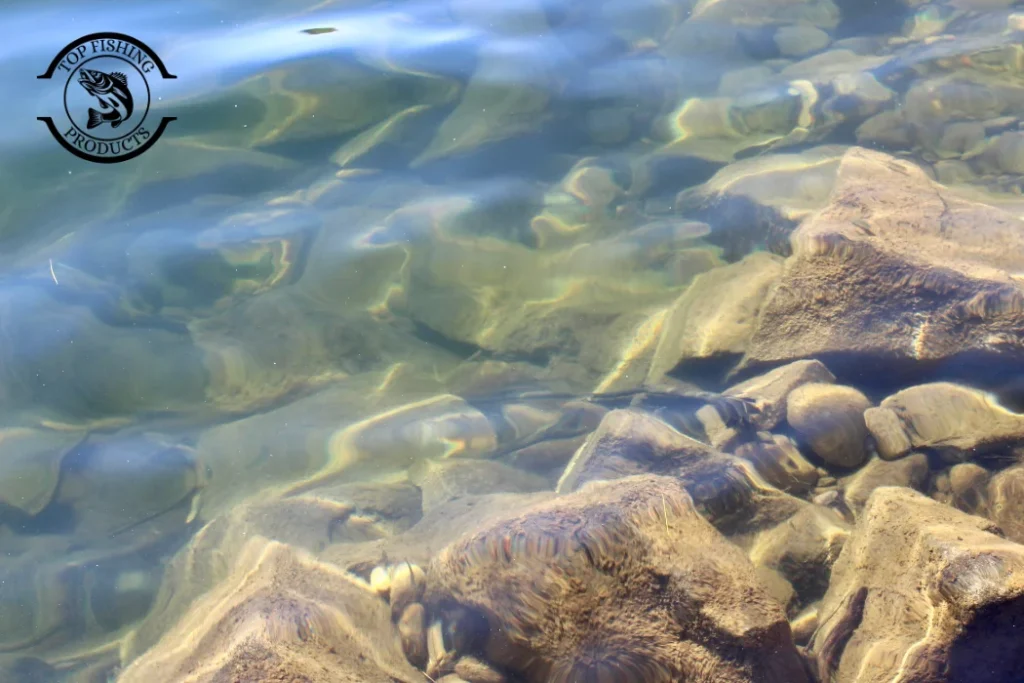
In stained water (1–3 feet of visibility), go louder — larger profile, rattle chamber, chartreuse or bright-contrast colors. You need the lure to register before the fish can fully see it.
When Crankbaits Perform Poorly
This is the section most fishing content skips. Knowing when not to throw a crankbait saves you time and frustration.
Post-frontal conditions are the biggest crankbait killer. After a cold front passes, bass go negative and tight to cover. A slow-rolling finesse bait usually outperforms anything with aggressive action.
Very cold water (below 50°F) reduces crankbait effectiveness for most anglers unless you slow down drastically and use a shallower, tighter-wobbling bait.
Heavy vegetation is another limitation. Crankbaits foul in thick grass and don’t run true. Topwaters, swimbaits, or soft plastics work better through vegetation. However, you can work the outside edge of weed lines and grass points effectively.
Pressured, heavily-fished waters in the middle of summer often show reduced crankbait response during peak daylight. Fish have seen them repeatedly. Drop down to smaller sizes, switch to fluorocarbon, and fish the earliest and latest windows.
Gear Setup for Crankbait Fishing
Rod and Reel
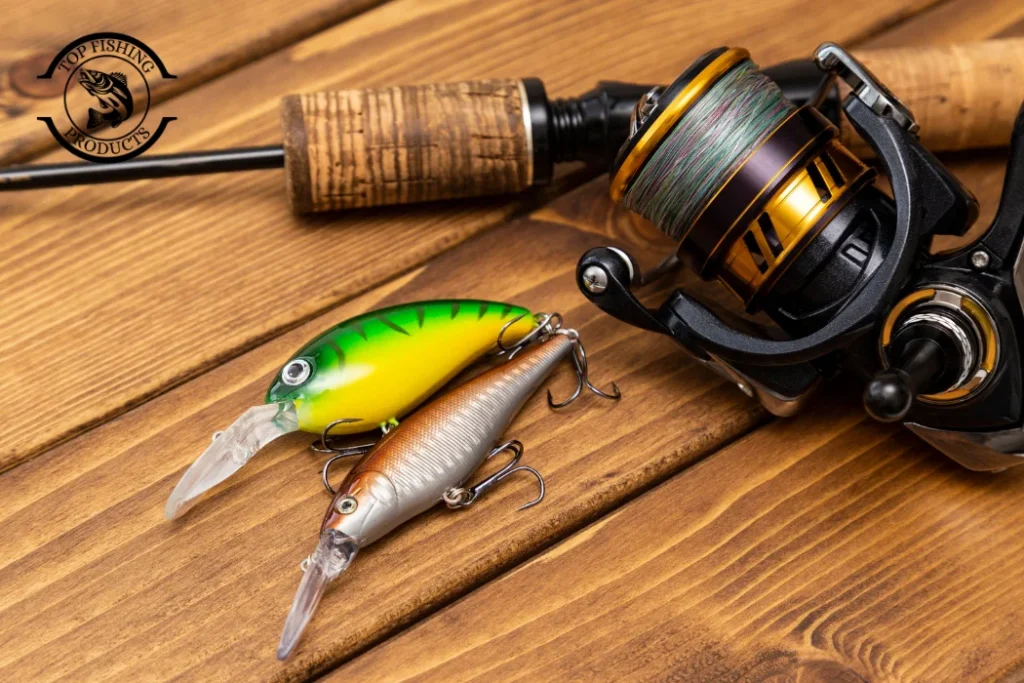
A medium-power rod with a moderate action is the standard recommendation — and it’s correct. The moderate bend allows the lure to move freely during the strike instead of pulling the hooks out of the fish’s mouth. Fibreglass or fiberglass-composite rods absorb more movement than graphite and are widely preferred specifically for crankbaits.
Reel speed matters more than most anglers realize. A 5.4:1 or 6.1:1 ratio gives you control over retrieve speed. High-speed reels (7:1+) make it harder to fish deep crankbaits slowly. Dial in the retrieve pace with a moderate-ratio reel.
Line Choice
Monofilament stretches and acts as a shock absorber, which keeps hooks pinned and reduces pulled-out fish. It also has natural buoyancy that helps shallow-running lures stay in the top portion of the water column.
Fluorocarbon sinks slightly, which can add a foot or two of running depth. It’s lower-stretch than mono but still has some give. A popular choice for deeper applications.
Braid is rarely the right choice for crankbaits. It has no stretch, which leads to more pulled hooks and missed fish.
Common Crankbait Mistakes
Fishing the wrong depth. If your lure isn’t running at the depth where bass are holding, you’re wasting time. Adjust your lure selection or your retrieve angle.
Ignoring the pause. A steady retrieve is rarely as productive as an occasional stop. Even one or two pauses per retrieve can double your strike rate on tough days.
Using too heavy a line. Heavy line restricts diving depth. A crankbait rated to 12 feet on 12-pound mono might only reach 9 feet on 17-pound. Know your lure’s running depth on different line sizes.
Pulling the bait away from structure too fast. When a crankbait deflects off something, that’s a moment — don’t rush past it. Hesitate, let the bait kick, then resume.
Not checking hooks. Crankbait trebles dull quickly after contact with rock and wood. Sharp hooks are the single cheapest upgrade in fishing. Check them regularly.
A Note on Rod Angle and Depth Control
You have more control over your crankbait’s running depth than the package suggests. Point the rod tip at the water surface and you’ll get a foot or two deeper than the rated depth. Hold the rod high and you sacrifice depth. For precise depth control, keep the rod tip low and pointed toward the lure throughout the retrieve.
Long casts also help you hit maximum depth. A 40-foot cast might not get a deep diver to full depth before it’s time to start pulling it back up. A 70-foot cast gives the lure enough line and time to reach its rated depth and stay there. For information on pairing the right crankbait style with the right structure type, see our guide on bass fishing structure.
Final Verdict
Crankbait fishing rewards anglers who pay attention to depth, retrieve variation, and deflection. The lure itself isn’t magic — it’s a tool that performs based on how you present it and whether you’ve matched it to the right conditions.
Start by identifying where the fish are in the water column, match your diving depth to that zone, and then experiment with retrieve speed until you find what works that day. Don’t skip the pause. Work structure deliberately and let deflection happen.
Knowing how to fish with crankbait in different conditions — cold water, post-frontal days, clear versus stained — separates anglers who produce consistently from those who only catch fish when conditions are perfect. The more situations you fish them through, the faster you’ll develop the feel that makes these lures work.
FAQ
What is the best retrieve speed for crankbait fishing?
There’s no single correct speed. Warmer water and aggressive fish respond to faster retrieves. Cold water or post-frontal conditions call for a slower pace. The best approach is to vary your speed until you find what’s triggering strikes that day, then repeat it.
How do I know if my crankbait is running at the right depth?
Make a long cast, lower your rod tip to the water, and reel at a moderate pace. You should feel the lure vibrating through the rod. If you’re targeting bottom-contact fishing, you should occasionally feel ticks or bumps. If you’re not feeling the lure at all, you may be using too heavy a line or too short a cast.
What is the best crankbait for bass in shallow water?
A square-bill crankbait in the 1.5 or 2.5 size category is one of the most productive shallow-water options available. The square lip deflects off wood and rock without fouling, and the wide wobble is highly effective in the 0–4 foot range. Crawfish patterns in spring and shad patterns in fall cover most situations.
Should I use a snap or tie directly to a crankbait?
A round snap (not a swivel snap) allows the lure to swing freely and enhances its action. Tying directly with a loop knot also works. Avoid barrel swivels attached directly to the bait — they restrict movement and reduce the lure’s natural wobble.
Why do bass hit crankbaits when they’re not actively feeding?
Crankbaits trigger reaction strikes. Bass are wired to respond to sudden movement changes — deflection, speed burst, erratic behavior. Even a fish that isn’t hungry will often strike something that behaves like it’s injured. That’s why the pause-and-start technique is so effective; the moment of movement change is the trigger.
Do crankbaits work at night?
They can, but effectiveness drops in total darkness. Black or dark-colored crankbaits with strong rattle chambers work best at night by creating vibration bass can detect. Shallow areas near lights or moon-lit banks are the better targets.