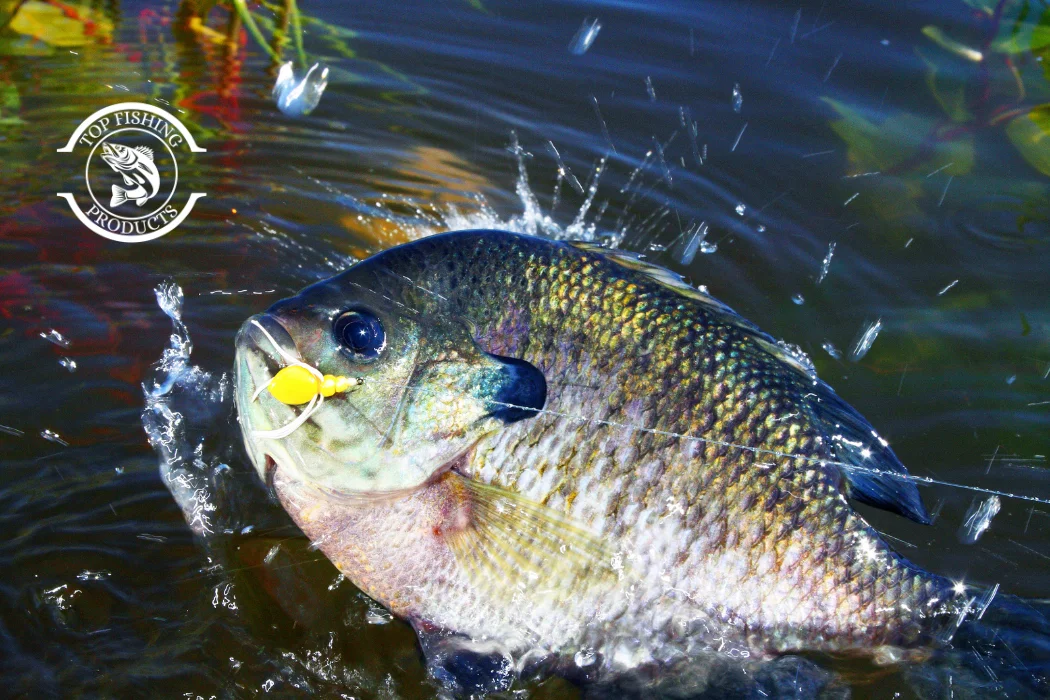
If you’ve ever fished a farm pond and wondered why your buddy pulled in twenty fish while you caught three, the answer usually isn’t luck. It’s depth, presentation, and timing. Learning how to catch bluegill consistently comes down to reading where these fish sit in the water column and matching your bait to what they’re actually eating that day, not what worked last weekend.
Bluegill are forgiving fish. They bite readily, they’re found almost everywhere, and they don’t require expensive gear. But there’s a big gap between catching a handful of small ones and filling a stringer with fat, hand-sized bluegill. That gap is what this guide is about.
Understanding Bluegill Behavior Before You Cast
Bluegill are sight feeders with small mouths, and that shapes almost everything about how you should fish for them. They rely on vision more than smell, which means water clarity and light conditions matter more than most anglers realize. In stained water, a bluegill might not notice your bait until it’s a foot away.
They’re also social fish. Where you find one, you’ll usually find dozens more sitting at the same depth, often suspended just off cover like brush piles, dock pilings, or weed edges. This schooling behavior is why bluegill fishing can go from dead slow to nonstop action the moment you find the right depth band.
Their feeding behavior shifts with the seasons. In spring, spawning drives everything. In summer, they retreat to cooler, deeper water during the heat of the day. In fall, they feed aggressively to build reserves for winter. Understanding which phase you’re fishing changes where you should be looking and what presentation will trigger a strike.
Bluegill Habitat: Where to Find Them Through the Year
Knowing where to find bluegill is arguably more important than any lure choice you’ll make. These fish relate heavily to structure and temperature.
Spring habitat. As water warms into the mid-60s, bluegill move shallow to spawn. Look for sandy or gravel bottoms in coves protected from wind, usually in one to four feet of water. You’ll often see circular beds clustered together near the bank, sometimes visible from shore on a calm day.
Summer habitat. Once the spawn wraps up and surface temperatures climb, bluegill push out to deeper water, typically eight to fifteen feet depending on the lake. They’ll hold near submerged timber, weed lines, or drop-offs close to their spawning flats. Early morning and evening, some fish will still move shallow to feed.
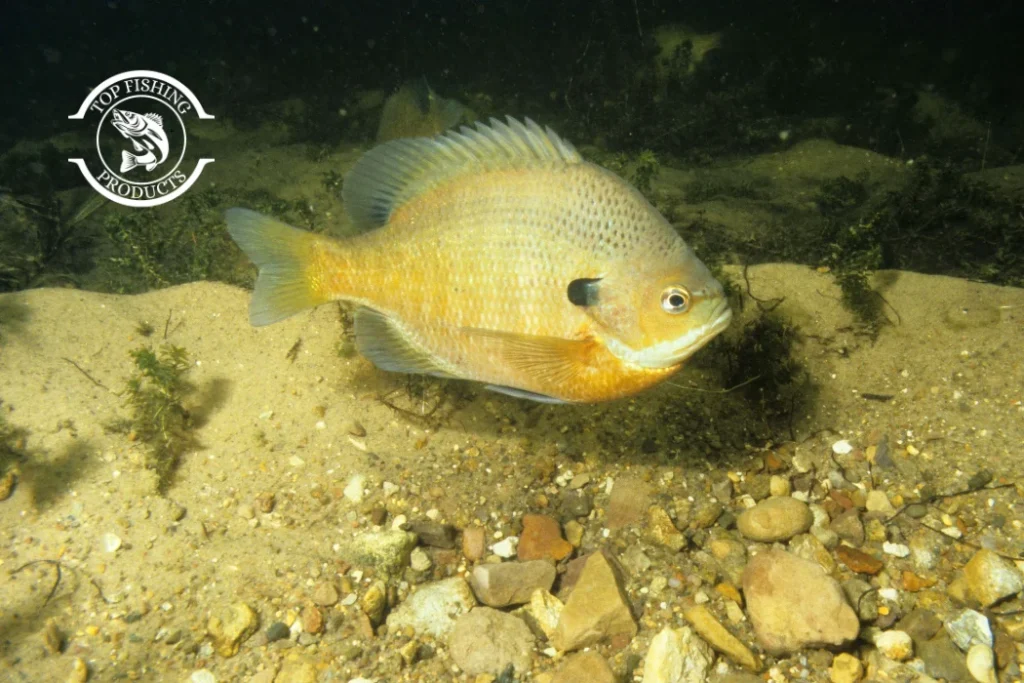
Fall habitat. Cooling water pulls bluegill back toward mid-depth structure. Points, creek channels, and the outer edges of weed beds tend to hold fish as they feed heavily before winter.
Winter habitat. In colder climates, bluegill suspend in deep basins or hold tight to the thickest cover they can find, moving very little and feeding on a much smaller scale.
If you’re fishing new water, start by targeting the transition zones between shallow and deep, since bluegill use these areas as travel corridors almost year-round.
Best Time to Catch Bluegill
Timing affects bluegill fishing more than most anglers give it credit for. Early morning and the last two hours before dark are consistently the most productive windows, especially in summer when midday heat pushes fish deep and inactive.
Overcast days are a gift for bluegill anglers. Without harsh sunlight, fish spread out and feed more confidently in shallower water throughout the day. On bright, bluebird days, you’ll typically need to fish deeper or focus your efforts around dawn and dusk.
The single best window of the entire year is the spring spawn, when water temperatures sit between 65 and 75 degrees. During this stretch, bluegill are aggressive, concentrated, and far less selective about presentation. If your schedule allows it, planning a trip around this window will produce your best numbers with the least effort.
Bluegill Fishing Techniques That Consistently Produce
Float and Bait Fishing
This is the foundation technique, and for good reason. A small bobber suspending a live worm, wax worm, or cricket over a light jighead lets you present bait at an exact depth while watching for the subtle dip that signals a bite.
The key adjustment most anglers miss is depth control. Bluegill often sit at a very specific level in the water column, and if your bait is even two feet off that mark, you’ll get far fewer bites. Start around three feet deep and adjust up or down every few casts until you find the strike zone.
Small Jig Fishing
A 1/32 to 1/16 ounce jig tipped with a soft plastic body is one of the most versatile bluegill fishing setups you can throw. Cast it past visible cover, let it sink on a controlled fall, and use a slow, twitching retrieve back to the boat or bank.
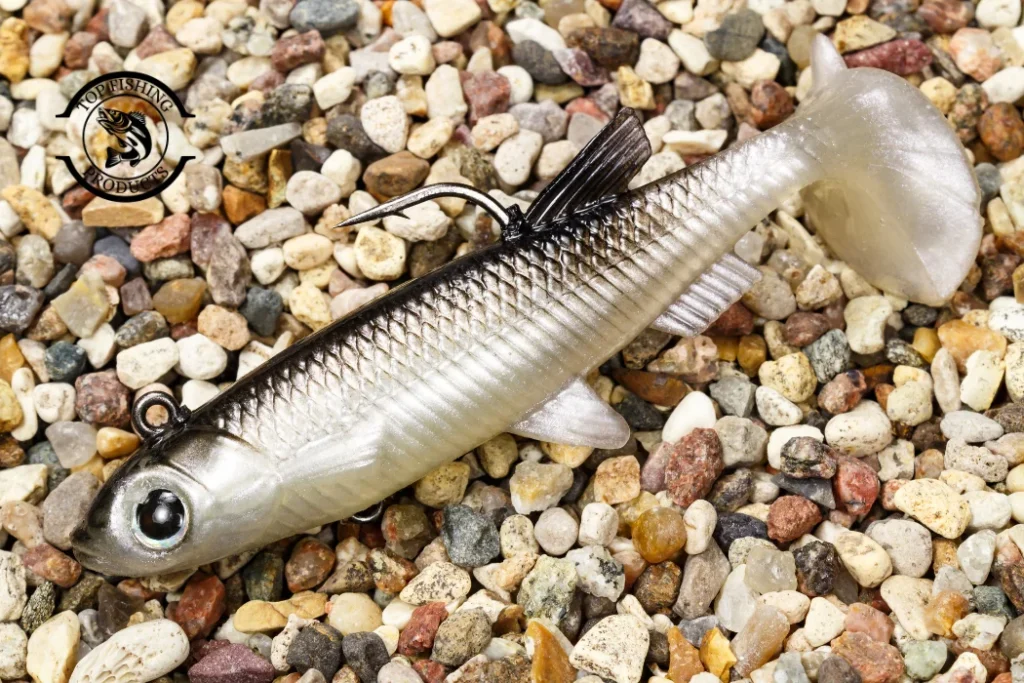
Bluegill frequently strike jigs on the fall, so pay close attention to your line right after it hits the water. A twitch, a jump, or line moving sideways usually means a fish already has it.
Fly Fishing with Poppers and Nymphs
During the warmer months, bluegill will readily smash small poppers worked across the surface with short, sharp twitches followed by a pause. The pause matters. Most strikes come during that dead moment when the popper sits still and the rings settle out.
When surface action slows down, switching to a small nymph or wet fly fished just under the surface often keeps the bites coming, especially around midday.
Ultralight Spinning with Small Inline Spinners
A tiny inline spinner, something in the 1/16 ounce range, covers water quickly and works well when you’re trying to locate fish rather than sit on one spot. Cast past the target area and retrieve slowly enough that the blade turns but the bait doesn’t rise too high in the water column.
Bluegill Rig Setup Basics
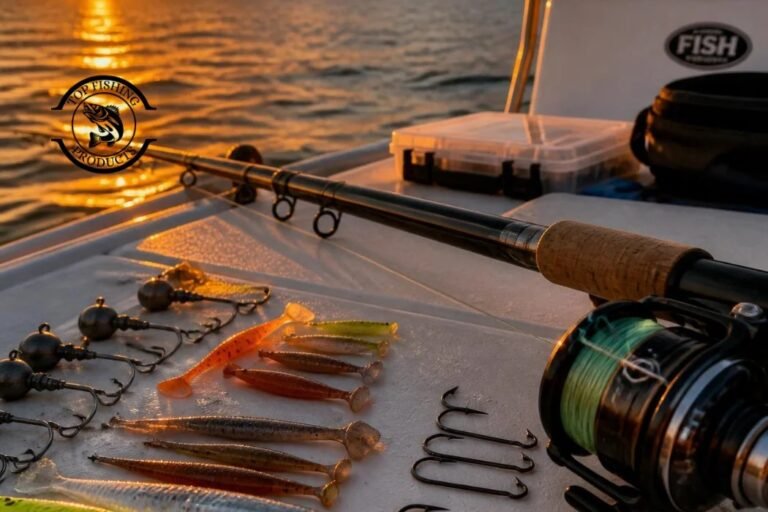
A simple, reliable bluegill rig setup doesn’t need to be complicated. For bait fishing, use 4 to 6 pound test line, a small fixed or slip bobber, a split shot or two for weight, and a size 8 to 10 hook. Light line matters here because bluegill have small mouths and can be line-shy in clear water.
For jig fishing, tie directly to the jighead with the same light line, skipping a leader or swivel that could interfere with the jig’s natural fall. Keeping the connection direct helps you feel subtle takes that would otherwise go unnoticed.
When These Techniques Perform Poorly
No technique works every time, and bluegill fishing has its share of frustrating stretches. During cold fronts, especially right after a temperature drop, bluegill often go tight-lipped for a day or two. Slowing your presentation down and downsizing your bait even further can salvage a tough day, but don’t expect fast action.
In extremely muddy or stained water, sight-based presentations like poppers and spinners lose effectiveness because bluegill simply can’t see them well enough to react. Switching to live bait with scent, like worms or wax worms, tends to outperform artificials in these conditions.
Heavy fishing pressure on small ponds can also make bluegill more cautious over time. If a pond gets hit hard every weekend, downsizing your hook, using lighter line, and fishing quieter presentations like a small jig instead of a splashy popper will often produce better results than the more aggressive approach that worked earlier in the season.
Practical Adjustments for Better Results
Depth adjustments. If you’re marking fish on electronics or seeing them suspended but not getting bites, move your bait up or down in six-inch increments rather than guessing at a full new depth.
Retrieve adjustments. Bluegill often prefer a slower retrieve than most anglers naturally use. If a jig or spinner isn’t producing, cut your retrieve speed by half before switching lures entirely.
Positioning adjustments. Approach shallow spawning flats quietly. Bluegill on beds spook easily from boat wakes, loud footsteps on a dock, or a shadow crossing the water. Cast from a distance and let the bait settle before working it.
Bait size adjustments. When bites feel like light taps but you’re missing hooksets, downsize your bait or hook. Bluegill sometimes nip at bait that’s too large for their mouth without ever fully committing.
Common Mistakes That Cost You Fish
Fishing too deep or too shallow without adjusting. Many anglers set a depth once and never change it, even after twenty minutes without a bite. Bluegill move, and your presentation needs to move with them.
Using hooks that are too large. A hook sized for bass will often go right past a bluegill’s mouth. Stick with size 8 to 10 hooks for most bait presentations.
Setting the hook too hard. Bluegill have soft mouths, and an aggressive hookset can tear the hook right back out. A firm, controlled lift works better than a hard yank.
Ignoring wind direction. Wind pushes baitfish and insects toward one shoreline, and bluegill often follow. Fishing the downwind bank, especially in summer, frequently outproduces the calmer side of the lake.
Practical Tips for Consistent Catches
Carry two or three bait options rather than committing to just one. A morning of worms not producing might turn around instantly with wax worms or a small piece of nightcrawler.
Watch for surface activity like small rings or dimples on calm water. This often signals bluegill feeding on insects near the top, which is your cue to switch to a popper or fish your bait shallower.
If you’re fishing from a dock or bank, try casting parallel to structure like a seawall or brush pile rather than straight out. This keeps your bait in the strike zone longer since bluegill tend to hold tight against these edges.
Quick Checklist Before You Head Out
- Check water temperature to identify seasonal location patterns
- Bring light line (4-6 pound test) and small hooks (size 8-10)
- Pack at least two bait or lure options
- Plan your trip around early morning, evening, or overcast conditions when possible
- Adjust depth in small increments if bites slow down
Final Verdict
Catching bluegill consistently isn’t about finding one magic lure. It comes down to reading the season, adjusting your depth until you find where fish are holding, and matching your presentation to water clarity and fishing pressure. Once you understand how to catch bluegill through these small, situational adjustments rather than a single fixed approach, you’ll notice the difference immediately, both in the number of bites and the size of fish coming over the side.
Start with the basics covered here, pay attention to what the water and weather are telling you on a given day, and be willing to change depth or bait faster than feels natural. That willingness to adjust is what separates anglers who occasionally catch bluegill from those who catch them every time out.
For anglers looking to expand beyond bluegill, a guide on crappie fishing techniques covers many of the same depth and presentation principles applied to a different panfish species.
Frequently Asked Questions
What is the best bait for catching bluegill?
Live bait like worms, wax worms, and crickets consistently outproduces artificial lures, especially in cooler or stained water. Small jigs and poppers work well too, but live bait remains the most reliable option across conditions.
How deep should I fish for bluegill?
It depends on the season. During the spring spawn, one to four feet is typical. In summer, deeper water in the eight to fifteen foot range near cover usually holds more fish, especially during midday heat.
What size hook is best for bluegill?
A size 8 or 10 hook matches their small mouths well. Larger hooks reduce hookup rates significantly, even when bluegill are actively biting.
Can you catch bluegill at night?
Yes, though it’s less common than daytime fishing. Bluegill will feed after dark near lighted docks where insects gather, and slow-fished bait presentations can produce steady action.
Why are my bluegill bites so light I keep missing them?
This usually means your bait or hook is too large, or the fish are being cautious due to fishing pressure or clear water. Downsizing your setup and using a slower, gentler hookset typically solves this.
Do bluegill bite in cold weather?
They do, but activity slows considerably. Fishing slower, downsizing bait, and targeting deeper structure where fish are suspended will produce better results than searching shallow water.