A light drizzle rolls in, and most anglers reel up and head for the truck. That’s actually a mistake more often than not. Rain changes the water, changes fish behavior, and honestly changes the whole game in ways that can work in your favor if you know what you’re doing. Following the right fishing during rain tips can turn a gray, wet afternoon into one of the best days on the water all season.
This guide walks through what actually happens to fish when it rains, how to stay safe, what gear keeps you dry and functional, and which lures to tie on when the sky opens up.
How Rain Affects Fish Behavior
Rain does more to a lake or river than just disturb the surface. It changes oxygen levels, water temperature, clarity, and the amount of food drifting through the system. Understanding how rain affects fish behavior is the foundation of catching more fish during wet weather instead of fewer.
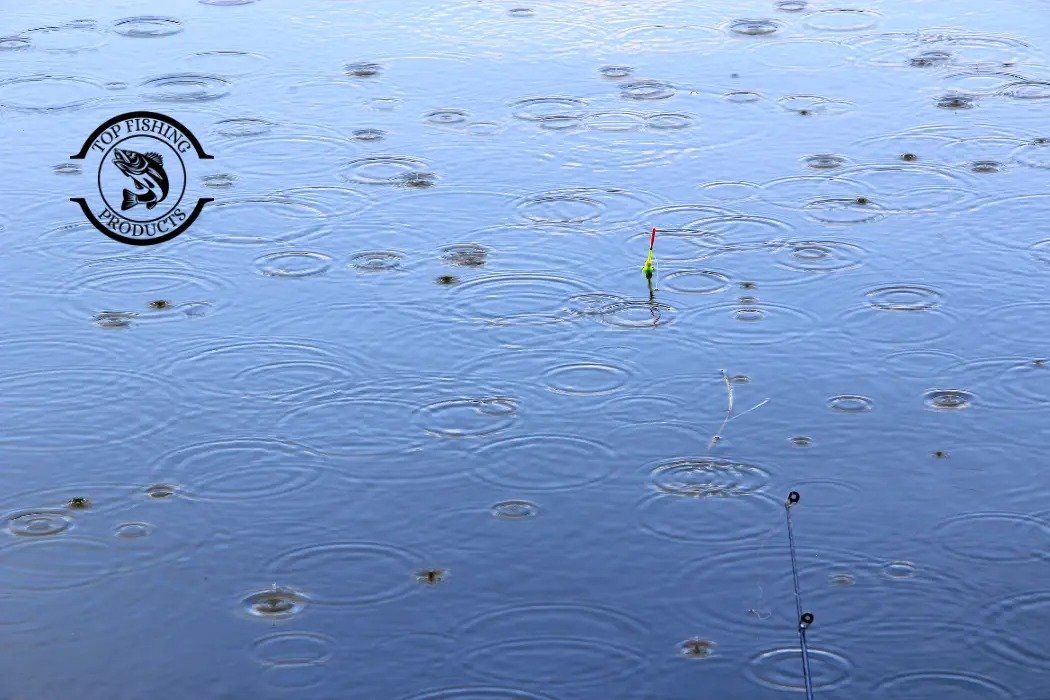
When raindrops hit the water, they push extra oxygen into the top few feet. Fish, especially bass and trout, often become more active as a result. In addition, falling barometric pressure ahead of a storm tends to trigger a feeding response. Many experienced anglers will tell you the hour or two before a storm arrives is prime time, and the rain itself often keeps that bite going rather than shutting it down.
Runoff is another factor. As rainwater washes into the water, it carries insects, worms, and small debris with it. This means baitfish move toward the banks and inflow areas to feed, and predator fish follow right behind them. Therefore, focusing on creek mouths, culverts, and drainage points during and after rain can be extremely productive.
On the other hand, heavy, sustained rain can muddy the water fast. Once visibility drops too much, fish rely more on vibration and sound than sight to find prey. This is a key detail that changes lure choice, which we’ll get into shortly.
Cooler rain can also drop surface temperatures a few degrees, which sometimes pushes fish into slightly deeper water or thicker cover. Meanwhile, warm summer rain tends to have the opposite effect, often triggering aggressive shallow-water feeding.
Is It Safe to Fish in the Rain?
Generally, yes, light to moderate rain without thunder or lightning is perfectly safe and often productive. However, safety depends entirely on the type of storm, not just the presence of rain. Fishing safety in bad weather starts with reading the sky and checking a real-time forecast before you ever leave the dock.
A few conditions that should keep you off the water:
- Any audible thunder or visible lightning
- Sudden wind gusts above 20 mph
- Rapidly darkening skies with a greenish tint
- Flash flood warnings for rivers or creeks
- Fog combined with rain, which reduces visibility for boat traffic
If you’re fishing from a boat, rough chop from wind-driven rain can be more dangerous than the rain itself. A calm pond in a steady drizzle is a very different situation than an open reservoir during a squall line.
Lightning Safety While Fishing
This is the one area where there’s no room for guessing. Lightning safety while fishing needs to be treated as non-negotiable, not optional advice.
If you hear thunder, you’re already close enough to be struck. The general rule used by meteorologists and outdoor safety organizations is the 30-30 rule: if the time between the lightning flash and the thunder is 30 seconds or less, seek shelter immediately. Then wait at least 30 minutes after the last thunderclap before returning to open water.
Boats are especially risky during electrical storms since they sit in open water with little natural protection. As a result, get to shore and into a hard-topped vehicle or solid building as quickly as possible. A car counts as reasonably safe shelter because of its metal frame, not its tires, contrary to popular belief.
If you’re on a bank or pier and can’t reach shelter fast enough, avoid standing near tall isolated trees, metal fences, or open fields. Crouching low, away from water and metal gear, is far better than continuing to fish. No fish is worth the risk, and honestly, the bite usually shuts down completely during an active electrical storm anyway.
Waterproof Fishing Gear You Actually Need
Staying dry isn’t just about comfort; it directly affects how long you can stay out and how sharp your focus stays. Investing in the right waterproof fishing gear makes rainy trips genuinely enjoyable instead of miserable.
Rain jacket and bibs. A breathable, fully waterproof jacket with sealed seams beats a cheap poncho every time. Bibs keep water from running down into your boots when you’re wading or leaning over the gunwale.
Waterproof boots. Rubber or neoprene boots with good tread matter more than people expect, especially on muddy banks that get slick fast.
Dry bag for electronics. Your phone, wallet, and any tackle you want to keep dry should live in a roll-top dry bag. This is one of those small purchases anglers wish they’d made sooner.
Polarized sunglasses. Even in overcast, rainy conditions, polarized lenses cut glare off the water surface and help you spot structure and fish movement.
Waterproof tackle box. Standard boxes can let moisture in over time, which rusts hooks and corrodes hardware. A sealed, gasket-lined box solves that problem for good.
Non-slip gloves. Wet hands and slippery lures don’t mix well. A thin pair of grip gloves helps with handling fish and re-tying knots in the rain.
Best Lures for Rainy Weather Fishing
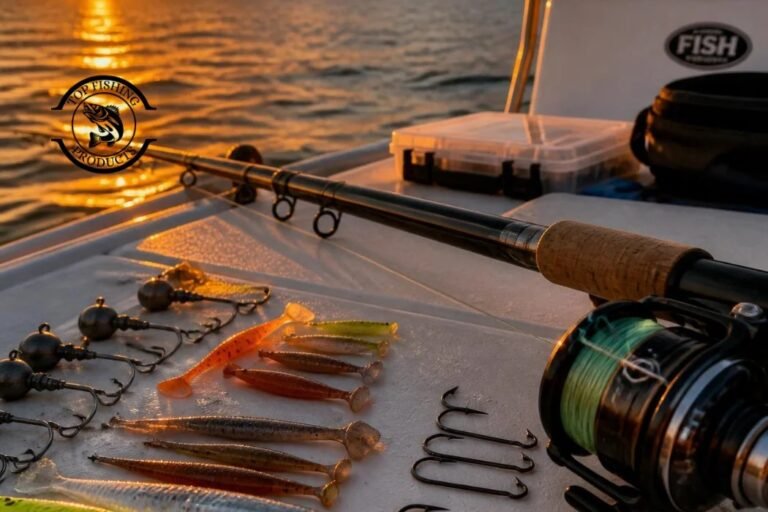
Lure choice should shift with water clarity and light conditions, and this is where many anglers lose fish they should have caught. The best lures for rainy weather fishing are ones that either move a lot of water or stand out visually in murky conditions.
| Condition | Recommended Lure Type | Why It Works |
| Light rain, clear water | Spinnerbaits, soft plastics | Natural presentation still works, flash draws attention |
| Steady rain, slightly stained water | Chatterbaits, crankbaits | Strong vibration compensates for reduced visibility |
| Heavy rain, muddy water | Dark-colored jigs, rattling lures | Sound and silhouette matter more than color |
| Post-rain runoff near inflows | Topwater near cover, swim jigs | Baitfish congregate near current, predators follow |
Dark colors like black, blue, and junebug tend to create a stronger silhouette against a cloudy sky, which fish can pick out even in low light. Meanwhile, lures with built-in rattles or blades give off vibration that fish can detect through their lateral line, even when they can’t see well.
Slowing down your retrieve slightly can also help, since fish aren’t chasing as aggressively through disturbed water. Similarly, fishing tighter to cover and structure tends to pay off, because baitfish are doing the same thing to avoid getting swept around by current.
Best Times and Spots to Fish During Rain
Timing matters almost as much as gear and lure choice. The period right as rain begins, and for an hour or two after it lets up, tends to produce the most consistent action. This is when the oxygen boost and food influx are freshest.
Look for these spots specifically:
- Points and drop-offs near creek channels
- Culverts and storm drain outflows
- Riprap banks, which hold heat and attract baitfish
- Shallow flats after warm rain in summer
- Deeper pools below rapids or dam spillways after heavy runoff
As a result of increased current near these areas, fish often stack up to feed with less effort, making them easier targets for a well-placed cast.
Common Mistakes Anglers Make When Fishing in the Rain
Even experienced anglers get a few things wrong when the weather turns. First, many people switch to lighter lines thinking murky water hides it, when in fact heavier fluorocarbon or braid actually helps detect subtle bites that rain and wind make harder to feel.
Also, a lot of anglers give up too early. The first 20 minutes of a rain shower can be slow while conditions adjust, so patience matters. In addition, failing to check the radar before heading out is one of the most avoidable mistakes, since a quick look can prevent getting caught in a dangerous storm cell.
Finally, neglecting hand and rod grip in wet conditions leads to more missed hooksets and dropped fish than most anglers realize. A firmer grip and a slightly delayed hookset can make a real difference.
Final Thoughts
Rain isn’t the enemy most anglers think it is. With the right precautions and a bit of preparation, fishing during rain can be one of the more rewarding ways to spend a day on the water, since fish are often more active and less pressured than on sunny weekends. Paying attention to lightning safety, dressing for the conditions, and adjusting lure choice based on water clarity will put more fish in the net while keeping you safe. The next time clouds roll in, don’t pack up. Grab the rain jacket, tie on a darker lure, and head to the water instead.
Frequently Asked Questions
Does rain make fish bite more?
Often, yes. Rising oxygen levels and increased food movement tend to trigger more active feeding, particularly right before and during light to moderate rain.
What’s the best rain intensity for fishing?
A light to steady drizzle is generally ideal. Heavy downpours can muddy water too quickly and make it harder for fish to locate lures.
Should I fish before or after a storm?
Both windows can be productive. The hours before a storm often bring aggressive feeding due to dropping pressure, while the period right after rain benefits from fresh runoff and oxygen.
Is thunder always a reason to stop fishing?
Yes. Any thunder means lightning is close enough to be dangerous, and fishing should stop immediately until at least 30 minutes after the last strike.
Do fish go deeper when it rains?
Sometimes, especially if the rain significantly cools surface water. However, warm rain in summer often pushes fish shallower instead.