Standing at the edge of a lake with a rod in your hand feels simple. Getting there legally takes one extra step that a lot of new anglers overlook: the license. Every state in the country requires one before you drop a line in public water, and skipping this step can turn a relaxing morning into an expensive mistake.
The good news is that getting a fishing license is rarely complicated. Most states let you complete the entire process online in less than 10 minutes. However, the rules around age, cost, and license type shift from state to state, so it helps to understand how the system actually works before you sit down at the computer or walk into a bait shop. This guide walks through the fishing license application process from start to finish, including costs, age rules, renewal steps, and the small details that trip up first-time anglers.
Why a Fishing License Is Required in the First Place
It is worth understanding what the license actually pays for, because it changes how you think about the fee. License money does not disappear into a general government fund. Instead, it goes toward fish stocking programs, habitat restoration, boat ramp maintenance, and the wildlife agencies that track fish populations in your state. In addition, federal excise taxes on fishing gear get distributed back to states through a program tied to license sales, so buying a license actually multiplies the money that ends up funding conservation work.
Without that funding, the fishing many Americans take for granted would look very different. Lakes would see less stocking, waterways would get less monitoring, and public access points would fall into disrepair. So when you buy a license, you are not just following a rule. You are putting money directly into the water you plan to fish.
Who Actually Needs a Fishing License
Almost everyone who fishes in public water needs a license, but the exact rules depend on age, residency, and sometimes the type of water. Here is how the basics typically break down.
Fishing license age limit. Most states set the age cutoff at 16, meaning anglers under that age can fish without a license. A handful of states use a different cutoff, and a few require licenses starting at 15 or set no youth exemption at all. Always check your specific state, since assuming the national norm applies can lead to a citation.
Seniors. Many states offer discounted licenses for anglers 65 and older, and some states waive the fee entirely once you reach a certain age.
Residency status. Your home address matters. Residents typically pay far less than non-residents, sometimes less than half the price. If you recently moved, some states require you to hold residency for a set number of days, often 30 to 90, before you qualify for the resident rate.
Private water and family land. A few states exempt fishing on private ponds if you own the land or have direct permission from the landowner, though this exemption disappears the moment the water connects to a public waterway.
If none of these exemptions apply to you, plan on buying a license before you fish, even if you are only casting a line for an afternoon.
Recreational Fishing License Requirements: What You Need Before You Apply
Before starting the fishing license application process, gather a few basic items. Requirements vary slightly by state, but most agencies ask for the same core information:
- A government-issued photo ID (driver’s license, state ID, or passport)
- Proof of residency if you are applying for the resident rate
- Your Social Security number, which some states require for enforcement and child support tracking purposes
- A payment method, since almost every state now processes payment online through debit or credit cards
- Hunter or boater education certification, only in the rare cases where a combination license requires it
Having these ready before you start the application saves time and prevents the frustrating experience of getting halfway through a form and realising you are missing something.
How to Get a Fishing License: Step-by-Step
The actual process is straightforward once you know where to look. Here is how most anglers complete it.
Step 1: Confirm Your State’s Rules
Search for your state wildlife agency, sometimes called the Department of Fish and Wildlife, Department of Natural Resources, or Fish and Game Commission depending on where you live. Every state runs its own licensing system, so the agency site is where the real, current information lives.

Step 2: Choose the Right License Type
States typically offer several license categories, and picking the correct one matters more than people expect. A saltwater license does not cover freshwater fishing in most states, and vice versa. If you plan to fish both, you may need two separate licenses or a combined all-water option where available.
Step 3: Decide Between Online, In-Person, or Phone Purchase
This is where most anglers today choose the online route, since it is fast and delivers a digital or printable license immediately. That said, in-person purchase still works well for people who want a physical card right away or prefer paying with cash at a local bait shop or sporting goods store.
Step 4: Fill Out the Application
Enter your personal details, choose your license duration, and select any additional stamps or endorsements you need, such as a trout stamp or a saltwater endorsement.

Step 5: Pay and Receive Your License
Most states issue a digital confirmation instantly. Some also mail a physical card, though a printed or digital copy is usually accepted as proof if you get checked by a game warden on the water.
Online Fishing License Application: What the Process Actually Looks Like
Applying online has become the default for most anglers, and for good reason. The process typically takes five to ten minutes from start to finish. You create an account (or log into an existing one from a previous year), select your license type, confirm your identity details, add any species-specific tags or stamps, and check out.
One thing worth knowing: once you set up an account with your state wildlife agency, it remembers your information for next year. That means renewing later takes even less time than the first application did.
A quick tip that often gets missed: download or screenshot your license confirmation right after purchase. Cell service is unreliable near a lot of good fishing spots, and having an offline copy avoids any awkward conversation with a warden asking to see proof.
Fishing Permit Cost: What You Should Expect to Pay
Cost is one of the most-asked questions, and it varies more than people expect. Here is a general breakdown of what anglers typically pay across the country.
| License Type | Typical Cost Range |
| Resident annual license | $15 – $50 |
| Non-resident annual license | $40 – $100+ |
| Short-term license (1 to 7 days) | $5 – $25 |
| Youth license (under 16) | Free to low-cost |
| Senior license (65+) | Free to discounted |
| Lifetime license | $200 – $1,000+ |
These numbers shift year to year and state to state, so treat this as a general guide rather than an exact quote. Also, keep in mind that species-specific stamps, such as trout or salmon endorsements, usually cost extra and are not included in the base license price.
Lifetime licenses deserve a second look if you plan to fish for decades. The upfront cost feels steep, but if you fish every year, it often pays for itself within ten to fifteen years, depending on your state’s annual rate.
State Fishing Regulations: Why One Rulebook Does Not Fit All
Fishing licenses are issued at the state level, not federally, which explains why the rules feel inconsistent if you travel between states. Bag limits, size limits, seasons, and even what counts as a valid ID can differ from one state line to the next.
For example, some coastal states require a completely separate saltwater registration on top of the standard fishing license, while inland states may only need the one general license. Similarly, trout fishing frequently requires an additional stamp regardless of which basic license you hold. This is why checking your specific state’s regulations page before your trip matters more than relying on general knowledge from a different state.
If you fish across state lines often, whether for tournaments or seasonal trips, it is worth bookmarking each relevant state agency page rather than assuming the rules carry over.
Renewing Your Fishing License Online
Renewing a fishing license online is usually even easier than the first application. Most agencies let you log back into the same account you created originally, and your information auto-fills. From there, you confirm your details, select the new license period, and pay.
A few states send renewal reminders by email as your license approaches its expiration date, which helps if you tend to forget the exact date you bought it last year. If your state does not offer reminders, setting a calendar alert a few weeks before your license expires prevents any accidental lapse.
One detail that surprises people: renewing early does not usually cost extra, and in some states you can renew before your current license expires without losing any remaining days. That makes it easy to stay covered without gaps.
Free Fishing Days: A Good Way to Try It Before You Buy
Most states set aside one or more days each year, often during National Fishing and Boating Week in early June, when anyone can fish public water without a license. These free fishing days are a great way to introduce a friend or family member to the sport before committing to a full license purchase.
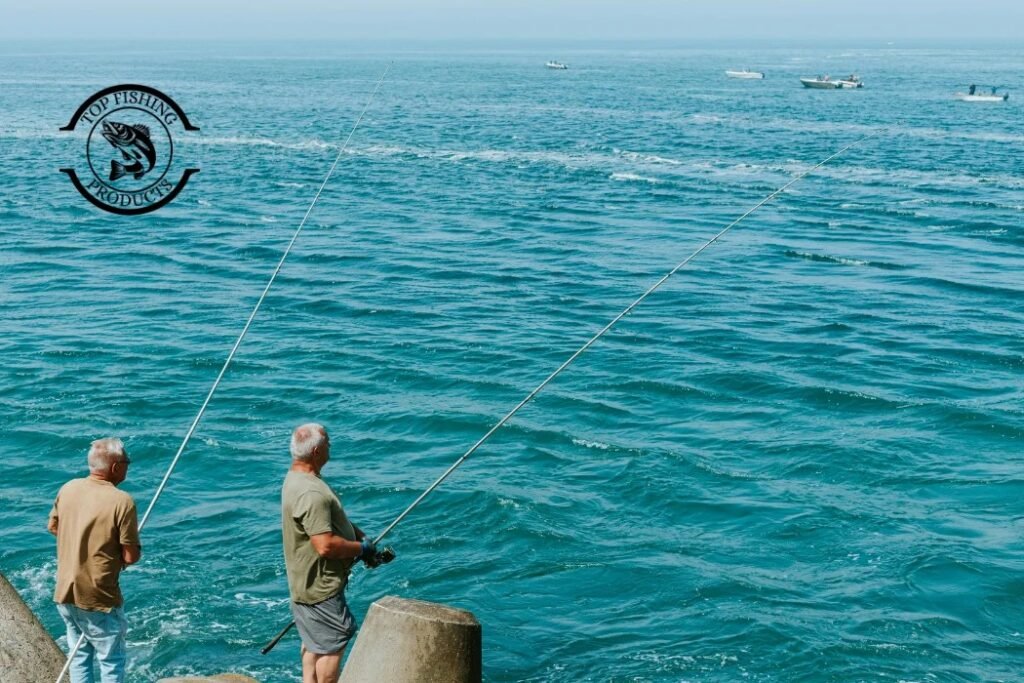
It is worth remembering, though, that free fishing days waive the license requirement only. Bag limits, size restrictions, and other regulations still apply in full, so it is not a free-for-all on the water.
Common Mistakes Anglers Make When Applying
A few small errors show up again and again, and most are easy to avoid once you know what to watch for.
Buying the wrong license type tops the list. Someone who fishes both fresh and saltwater sometimes buys only one, then gets caught fishing the wrong type of water. Another common slip is letting a license lapse mid-season and forgetting to renew, especially for anglers who fish only a few times a year. Finally, some anglers assume out-of-state visitors do not need a license at all, which is rarely true, since almost every state requires visiting anglers to buy a non-resident license.
Final Verdict
Getting a fishing license does not need to feel like a chore. Once you know your state’s age rules, pick the right license type, and gather your ID and payment information, the entire process usually takes less than ten minutes online. Understanding how to get a fishing license the right way, rather than guessing, means fewer surprises on the water and more time actually fishing. Whether you are buying your first youth license or renewing a lifetime membership you have held for years, the steps stay largely the same: confirm your state’s requirements, apply through the official agency site, and keep your confirmation handy for the day someone asks to see it.
Frequently Asked Questions
Do I need a fishing license to fish from my own private pond? In most states, no, as long as the pond is fully enclosed on your property and does not connect to public waterways. Requirements vary, so check your state agency if you are unsure.
Can I use my fishing license in a different state? No. Licenses are state-specific, so fishing in a different state requires a separate license, usually at the non-resident rate.
What happens if I get caught fishing without a license? Penalties vary by state but commonly include fines ranging from around $50 to several hundred dollars and, in some cases, confiscation of gear.
How long does an online fishing license take to process? Most states issue a digital license immediately after payment, so you can often start fishing within minutes of applying.
Do senior citizens still need a fishing license? Often yes, but at a reduced rate. Some states waive the fee entirely once anglers reach a certain age, so it is worth checking your state’s specific senior policy.