Anyone who has fished the same lake for years knows the feeling. One day the bass hit everything you throw, and the next day, with the same weather, same bait, same spot, nothing bites. Most of the time, the missing piece is barometric pressure. It’s invisible, easy to ignore, and might be the single biggest factor separating a great day on the water from a slow one.
This guide breaks down what barometric pressure actually is, how it affects fish, and how you can use that knowledge to plan smarter trips. No jargon, no complicated science lessons. Just practical information you can use the next time you check the weather before heading out.
What Is Barometric Pressure?
Barometric pressure, also called atmospheric pressure, is the weight of the air pressing down on everything below it. As weather systems move through an area, that weight changes. A high-pressure system means clear skies and heavier air pushing down. A low-pressure system usually means clouds, wind, or storms moving in, with lighter air overhead.
Fish don’t see the barometer. However, they feel the pressure changes through their swim bladder, a gas-filled organ that helps them control buoyancy. When the pressure outside shifts, the gas inside that bladder expands or compresses slightly, and the fish notices. It’s similar to how your ears might pop during a flight or a fast elevator ride. That sensitivity is exactly why anglers pay attention to pressure trends before almost anything else.
What’s the perfect barometric pressure for fishing?
There’s no single magic number that guarantees a good bite, but most experienced anglers agree that a stable pressure reading between 29.90 and 30.20 inches of mercury (Hg) tends to produce the most consistent fishing. This range usually shows up during calm, settled weather, which is when fish feel comfortable enough to move around and feed normally.
What matters more than the exact number, though, is stability. A pressure reading of 30.10 that has been holding steady for two days will usually outfish a reading of 30.10 that just dropped sharply from 30.40 that morning. Fish respond to change, not just the number on the gauge. So instead of memorizing a target figure, it helps to watch the trend over the past 24 to 48 hours.
How To Read Barometric Pressure For Fishing
Reading a barometer isn’t complicated once you know what to look for. Most weather apps now display pressure in inches of mercury (inHg) or millibars (mb), along with a small arrow showing whether it’s rising, falling, or holding steady.
Here’s a simple way to interpret what you see:
- Rising pressure – Weather is clearing after a storm. Fish are often still recovering and can be sluggish.
- Steady pressure – Conditions have settled. This is typically the most reliable window for good fishing.
- Falling pressure – A storm or front is approaching. Fish often feed aggressively before the system arrives.
- Very low, stable pressure – Fish tend to hold deep and feed less, especially after a storm has passed through and lingered.
Checking the pressure trend the night before a trip, and again the morning of, gives you a much clearer picture than just glancing at a single number. Many fishing apps also show a 3-day or 7-day pressure graph, which makes spotting these swings even easier.
High Pressure Fishing Conditions
High pressure usually brings bluebird skies, light wind, and that “perfect day” look that non-anglers love. Unfortunately, it’s often one of the tougher windows for fishing, especially once the system has been parked over an area for a day or two.
Under strong, stable high pressure, fish tend to become less active. They often move to deeper water, tuck into heavy cover, or suspend near structure instead of roaming to hunt. Their feeding windows shrink, and they become more selective about what they’ll strike.
That doesn’t mean fishing is impossible during high pressure. It just means adjustments are needed. A few things that tend to help:
- Slow down your retrieve significantly.
- Downsize your lures and use more subtle presentations.
- Target deeper structure, drop-offs, and shaded areas.
- Fish early morning or late evening, when light levels are lower, and fish feel more comfortable moving shallow.
Finesse techniques like drop-shotting, jigging slowly, or using natural bait shine during these stretches. Patience matters more than power here.
Low Pressure Fishing Conditions
Low pressure is where things get exciting. As a storm system approaches and pressure begins to drop, fish often sense the coming change and go into what many anglers call a feeding frenzy. This is widely considered one of the best windows in all of fishing.
The theory is that fish instinctively feed heavily before a storm disrupts their usual feeding patterns, almost like they’re stocking up in advance. Baitfish also tend to become more active and disoriented as wind and wave action pick up, which makes them easier targets for predator fish.
The best window is typically the 6 to 12 hours before a front actually arrives, when the sky darkens, wind picks up, and pressure is actively falling. Once the storm hits directly, with heavy rain, lightning, or dangerous wind, it’s time to get off the water for safety reasons, not just fishing reasons.
After the storm passes, pressure often spikes upward quickly, and this rapid rise can shut the bite down almost as fast as it started. This is why timing a trip around an incoming front, rather than after one, tends to produce better results.
Fish Behavior During Pressure Changes
Every species reacts a little differently, but some general patterns hold across most freshwater and saltwater fish.
During falling pressure, fish typically move shallower and feed more aggressively, sometimes striking baits they’d normally ignore. Predatory species like bass, walleye, and pike often become noticeably more willing to chase moving lures during this window.
During rising pressure, especially right after a cold front, fish often become lethargic. Bass, for example, are known to bury themselves tight against cover or sit motionless near the bottom. This is sometimes called “post-frontal funk” by bass anglers, and it’s one of the most frustrating conditions to fish through.
During stable, moderate pressure, fish generally return to normal, predictable feeding patterns tied to their usual schedule, whether that’s dawn and dusk feeding or a midday bite depending on the species and water body.
Water temperature and cloud cover also interact with pressure to influence behavior. For example, a cloudy day with falling pressure often extends the feeding window throughout the entire day, since fish don’t feel the need to retreat from bright sunlight.
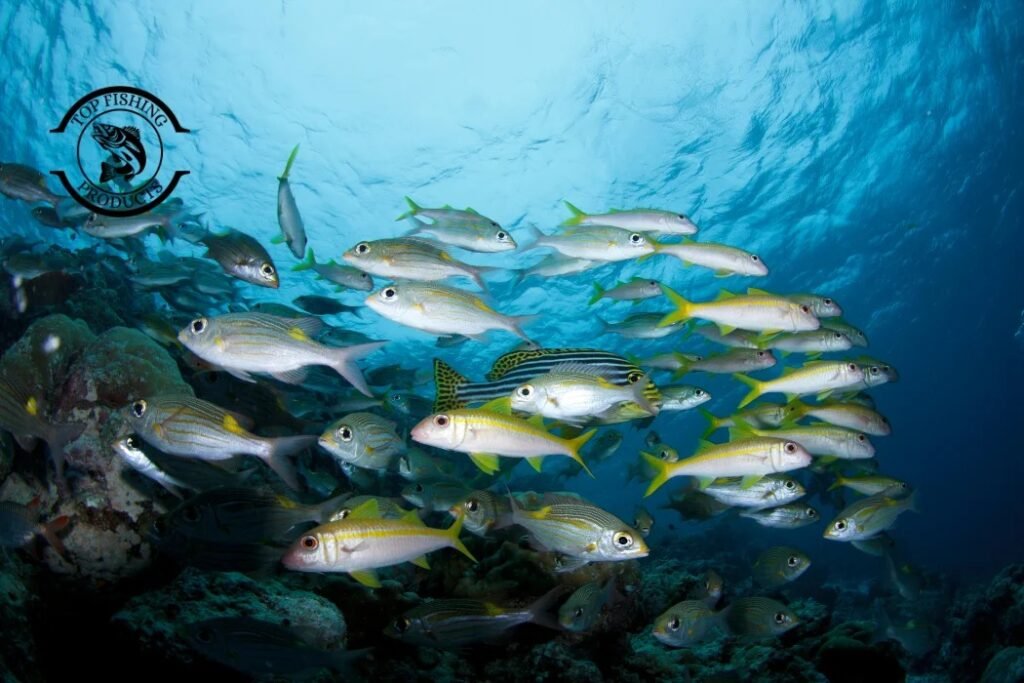
How To Plan A Fishing Trip Around Pressure
Instead of just checking whether it’s sunny or rainy, try building your trip around the pressure trend. A few practical habits can make a real difference:
- Check a 5-to-7-day pressure forecast before deciding which day to fish.
- Look for a day where pressure is falling gradually, ideally ahead of a front.
- Avoid planning trips for the first day or two after a strong high-pressure system moves in.
- If you’re stuck fishing during high pressure, shift your strategy toward deep, slow, finesse presentations.
- Keep a simple log of pressure readings alongside your catch results. Over time, patterns specific to your local water will become obvious.
This last tip matters more than people expect. Two lakes just a few miles apart can respond differently to the same pressure system, depending on depth, structure, and the species present. Personal records beat generic advice.
Common Mistakes Anglers Make With Barometric Pressure
A lot of anglers know pressure matters but still make mistakes when applying that knowledge. One common error is only checking pressure the morning of a trip, without looking at the trend from the previous day or two. A single snapshot doesn’t tell you nearly as much as a trend line does.
Another mistake is assuming high pressure always means a bad day. It’s tougher but not hopeless, especially in the early morning or late evening hours before the sun fully warms the water. Similarly, some anglers panic and cancel trips the moment they see a storm in the forecast, missing the pre-frontal window that often produces the best fishing of the week.
Finally, many anglers ignore how pressure interacts with other factors like wind direction, water clarity, and seasonal patterns. Pressure is a powerful piece of the puzzle, but it works best when combined with the rest of the picture, not used in isolation.
Final Verdict
Barometric pressure won’t guarantee a limit every time you head out, but ignoring it puts you at a real disadvantage. The complete guide to barometric pressure and fishing really comes down to one habit: watch the trend, not just the number. A falling barometer ahead of a storm often signals some of the best fishing of the season, while a stable high-pressure system calls for patience and a slower approach. Pay attention to these shifts, adjust your technique accordingly, and you’ll start noticing patterns that turn “unlucky days” into predictable, plannable trips.
Frequently Asked Questions
Does barometric pressure affect saltwater fishing too?
Yes, Saltwater species like redfish, snook, and striped bass respond to pressure changes in similar ways to freshwater fish, often feeding heavily just before a front arrives.
How quickly do fish react to pressure changes?
Many anglers report changes in fish behavior within just a few hours of a noticeable pressure shift, particularly during rapid drops before a storm.
Is falling pressure always better than rising pressure?
Generally, yes, for active feeding. However, extremely low pressure during an actual storm can push fish to hold tight and stop feeding until conditions settle again.
Can I fish successfully during stable high pressure?
Absolutely. Slowing down, downsizing lures, and targeting deeper or shaded water can still produce solid results even in tough, stable high-pressure conditions.
What tools can I use to track pressure?
Most weather apps, marine forecast sites, and dedicated fishing apps display current pressure along with a trend arrow or graph, making it easy to check every time before every trip.