Pull a bass out of a lake and watch what happens. It thrashes, gulps air, and starts fading fast. Meanwhile, a walking catfish can stroll across dry land like it owns the place. Same planet, completely different biology. So when people ask how long fish can live without water, the honest answer is: it depends entirely on the species — and the science behind that answer is more interesting than most people realize.
This isn’t just a trivia question. Anglers who understand what happens inside a fish the moment it leaves water make better decisions about catch-and-release, live bait, and fish handling. That knowledge can mean the difference between a fish that swims away strong and one that dies twenty minutes after you let it go.
What Actually Happens When a Fish Leaves the Water
Most people assume fish die out of water because they can’t breathe. That’s part of it, but the full picture is more complicated.
Fish extract dissolved oxygen from water by passing it over their gills. The gill filaments are packed with tiny blood vessels that absorb oxygen and release carbon dioxide in the same motion. This system works beautifully underwater. In open air, it fails almost immediately.
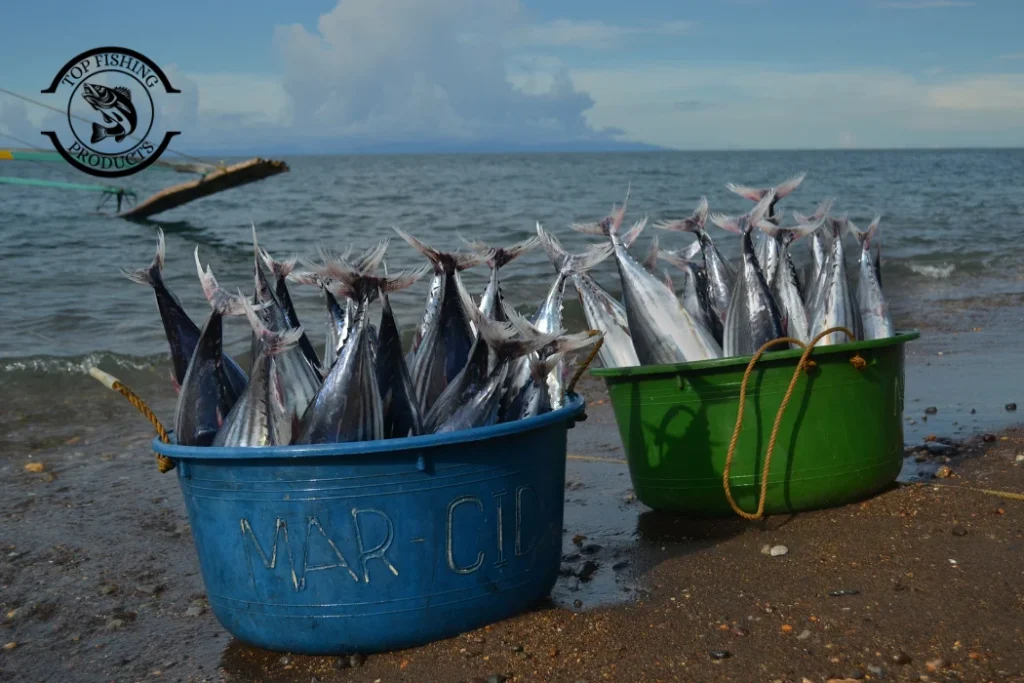
Here’s why. The gill filaments need to stay wet and separated to function. The moment a fish hits dry air, those filaments collapse and stick together. Surface area drops dramatically. Even though there’s far more oxygen in air than in water, the fish can’t access it because the gill structure is designed for a liquid medium, not a gaseous one.
At the same time, the fish starts losing moisture rapidly through its skin and gills. Dehydration accelerates organ stress. Lactic acid builds up in the muscles from the frantic thrashing. Blood oxygen drops. Carbon dioxide builds to toxic levels. The whole system starts shutting down within minutes.
The Role of Temperature and Humidity
Here’s something most anglers overlook: the air itself matters. On a hot, dry summer day, a fish dies faster out of water than on a cool, humid morning. Higher temperatures speed up cellular stress and oxygen demand. Dry air pulls moisture out of the gills faster, collapsing the filaments more quickly.
A fish pulled from cold water on a humid, overcast day has a measurably better chance of surviving catch-and-release than one brought up in midday July heat. This isn’t speculation — it’s basic physiology.
How Long Different Fish Can Survive Out of Water
There’s no single answer. Fish survival out of water ranges from seconds to days depending on the species, its biology, and the conditions around it.
Common Sport Fish
Most of the fish anglers target – bass, walleye, trout, pike, crappie — are what biologists call obligate water breathers. They need water to extract oxygen, full stop. These species have a survival window that’s shorter than most people assume.
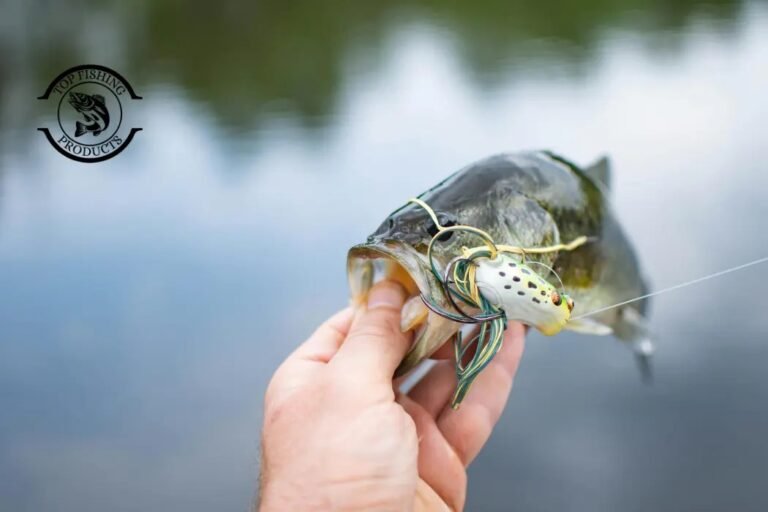
Largemouth and smallmouth bass can survive roughly 5 to 15 minutes out of water under mild conditions. But “surviving” doesn’t mean “fine.” Stress damage starts accumulating within the first 30 seconds. Fish that are held out of the water for photos, tournament weigh-ins, and handling sessions may swim away but die hours later from physiological collapse — a phenomenon called delayed mortality.
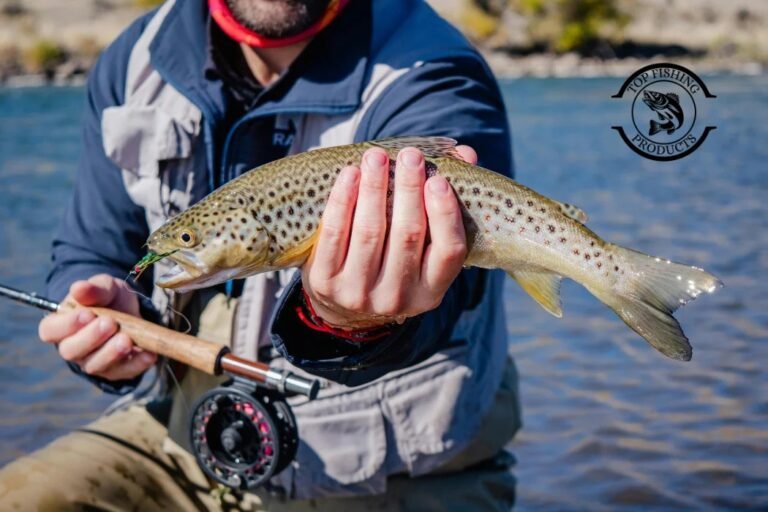
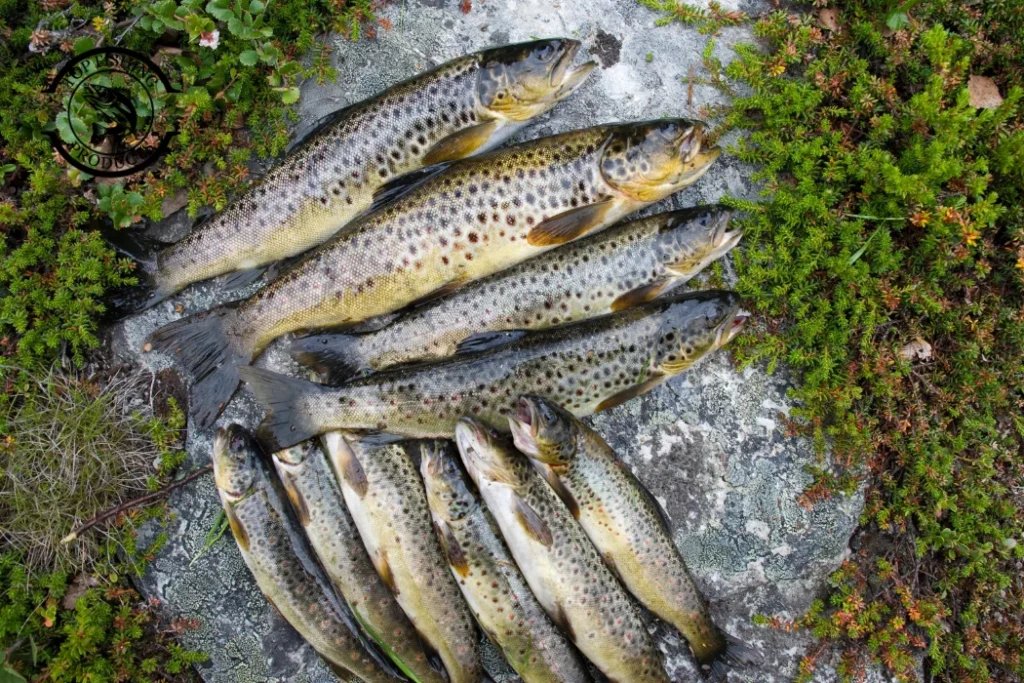
Trout and salmon are even more sensitive. They’re cold-water fish with high oxygen demands. Out of water, they can deteriorate visibly in under a minute. Tournament anglers and guides working with trout take air exposure seriously, limiting it to under 30 seconds when possible.
Walleye and pike land somewhere in the middle. They’re resilient fish, but prolonged air exposure still causes real harm. The “swim-away” test is a poor measure of actual survival.
Hardier Species
Catfish are considerably tougher. Channel catfish and flatheads have thicker, moisture-retaining skin and a higher tolerance for oxygen stress. Under cool, humid conditions, a catfish can survive 30 minutes to a few hours out of water without dying — though it will be severely stressed.
Carp are similarly robust. They have a higher tolerance for oxygen-depleted environments, which translates to better survival in air as well. European carp anglers routinely keep fish in slings and weigh sacks for extended periods, though best practices still minimize air exposure.
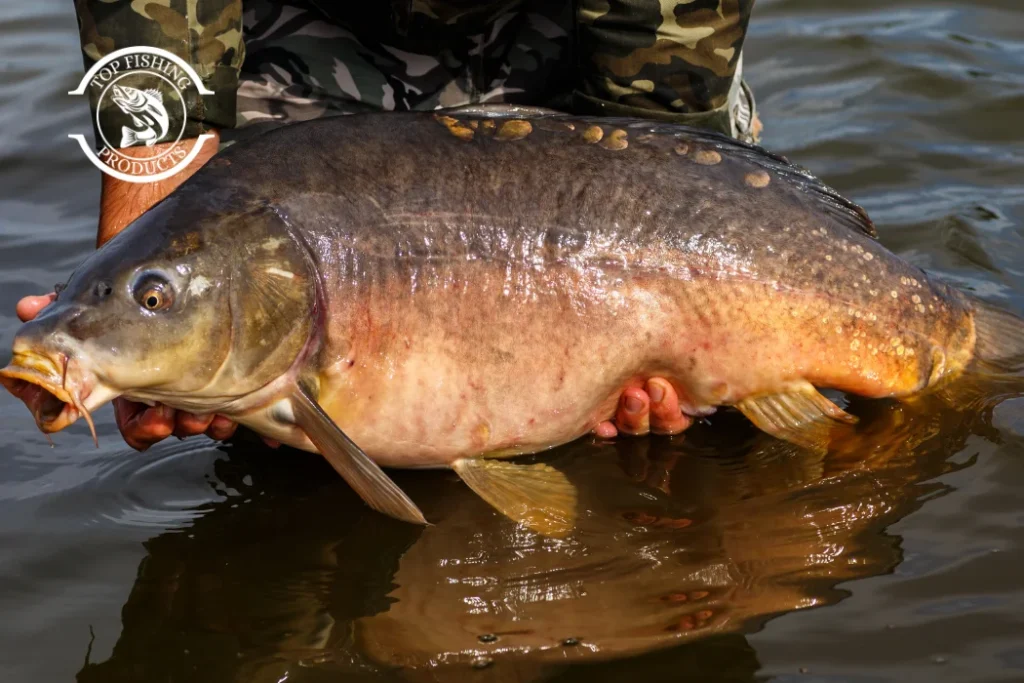
Tench are among the most air-tolerant of traditional sport fish. They have unusually thick mucus layers that help retain moisture, and their oxygen demands are lower than many comparably sized species.
Air-Breathing Fish: A Different Category Entirely
Some fish species can genuinely breathe air — and their survival out of water isn’t measured in minutes. It’s measured in hours or days.
Walking Catfish
The walking catfish (Clarias batrachus) is the most famous example. It has a modified gill chamber called a suprabranchial organ that functions like a primitive lung. It can absorb oxygen directly from air. On land, it uses its pectoral fins and a wriggling motion to move between water bodies — sometimes crossing roads during rain events.
Out of water under humid conditions, walking catfish can survive 12 to 18 hours. Their biggest enemy isn’t lack of oxygen — it’s desiccation. As long as they stay moist, they keep going.
Lungfish
Lungfish take air-breathing to an extreme. Found in Africa, South America, and Australia, these ancient fish have actual lung-like organs alongside reduced gills. During dry seasons when their water bodies evaporate completely, African lungfish burrow into mud, secrete a moisture-retaining mucus cocoon, and enter a dormant state called estivation. They can survive in this state for months — sometimes years — until rains return.
This is perhaps the most dramatic example of fish survival out of water in the entire animal kingdom.
Mudskippers
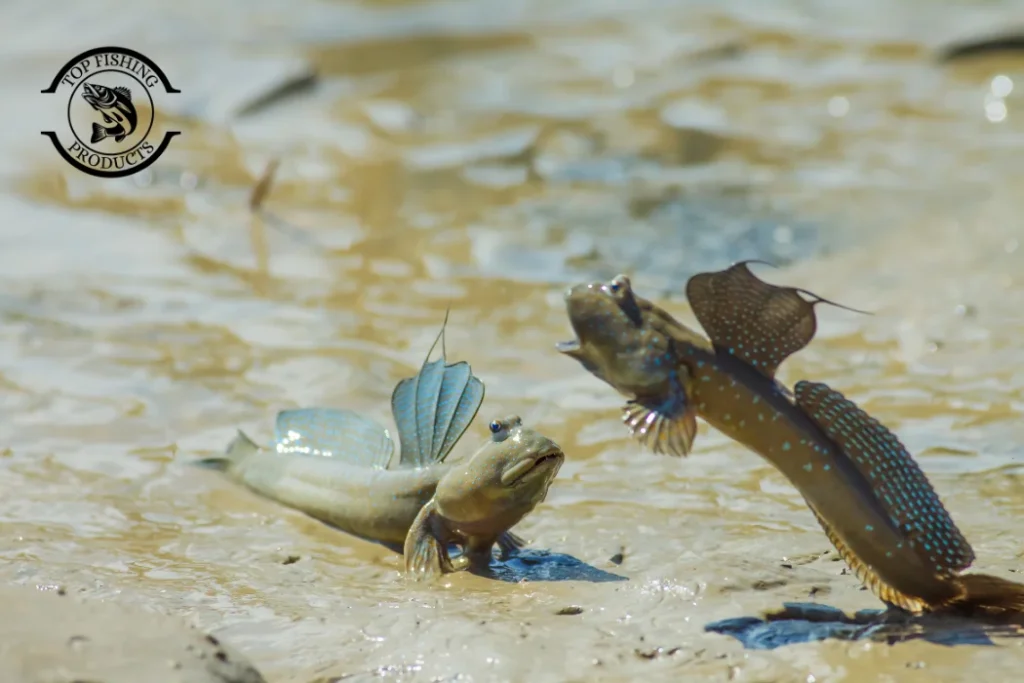
Mudskippers are amphibious gobies that spend most of their lives on mudflats and mangrove shores. They breathe through their skin and the lining of their mouth as long as both stay moist — similar to how amphibians breathe. They dig burrows, defend territories, and even court mates on land. Their survival out of water is measured in hours under normal conditions and days in humid environments.
Snakeheads
Snakeheads have a suprabranchial organ similar to walking catfish. They’re aggressive, invasive in many North American waters, and capable of surviving out of water for several days as long as they remain moist. Their toughness is one reason wildlife managers treat them as a serious ecological threat — they can disperse across land during wet conditions.
What Happens to Fish During Catch-and-Release
This is where the biology gets directly relevant to anglers. The stress a fish experiences during a catch involves a hormonal cascade. Cortisol and adrenaline flood the system. Blood glucose spikes. Lactic acid accumulates in muscles from the fight. Oxygen debt builds.
Air exposure on top of that fight stress is compounding. A fish that battled hard for five minutes before being lifted for a two-minute photo session has experienced far more physiological damage than the elapsed time suggests. Research on bass consistently shows that mortality rates climb sharply when air exposure exceeds 30 seconds, even when the fish initially swims away normally.
Reducing Post-Release Mortality
The science here is clear and practical. Keep the fish wet whenever possible. Use a rubberized landing net to reduce scale and slime coat damage. If you’re taking photos, have the camera ready before lifting the fish. Hold it horizontally to support internal organs. Never squeeze the body.
For large or deeply fought fish, “reviving” by moving the fish forward and back in water — allowing fresh water to pass over the gills — genuinely helps. It restores dissolved oxygen in the blood faster than passive floating.
Cold-water species like trout demand even more care. On warm summer days, consider not fishing during peak heat if catch-and-release is the plan. Warm water holds less dissolved oxygen to begin with, and the stress of a fight in 75°F water is significantly higher than in 55°F water.
Common Myths Worth Correcting
Myth: If a fish swims away, it’s fine. Not always. Delayed mortality is well-documented. A bass that swims away after being held out of water for three minutes may die four hours later. The swim-away reflex can persist even when the fish is mortally stressed.
Myth: Spitting on your hands protects the fish. This does essentially nothing. What matters is minimizing dry contact, keeping the fish wet, and reducing air exposure time. Wet your hands with actual water before handling.
Myth: Air-breathing fish don’t need water at all. Even lungfish and mudskippers need water for reproduction, temperature regulation, and skin moisture. They survive out of water under specific conditions — they don’t thrive.
What It Means for Live Bait and Livewell Management
Baitfish are fish too, and they’re subject to the same oxygen dynamics. In a poorly oxygenated livewell, baitfish die quickly — not from air exposure but from dissolved oxygen depletion in the water. The principle is connected: fish need adequate oxygen, whether that oxygen comes from well-oxygenated water or, in specialized species, directly from air.
Running a properly aerated livewell, keeping it out of direct sunlight, and adding ice on hot days makes a measurable difference in baitfish survival. The same logic applies to keeping caught fish alive for tournaments — oxygenation, temperature, and stress minimization are the three variables that matter most.
Related reading: Understanding dissolved oxygen and how it changes with water temperature can significantly improve your livewell management and catch-and-release success.
Final Verdict
The question of how long can fish live without water has no single answer — but it has a clear principle underneath it. Most fish are built exclusively for water. Their oxygen extraction system, their physiology, and their ability to regulate basic bodily functions all depend on being submerged. Pull them out and the clock starts immediately.
A handful of species evolved workarounds: modified gill chambers, actual lungs, skin-breathing. For those fish, the timeline extends to hours or even months. But they’re the exception.
For anglers, this knowledge has real consequences. Every second a fish spends in the air is time on a biological countdown. Understanding that — and acting on it — is the difference between a fish that lives to bite again and one that doesn’t.
FAQ
How long can a bass survive out of water?
Under mild conditions, a largemouth or smallmouth bass can survive approximately 5 to 15 minutes out of water before dying. However, physiological stress begins almost immediately. Fish held out for more than 30 seconds face increased delayed mortality risk even if they swim away initially.
Can fish breathe air?
Most fish cannot breathe air in any meaningful way. A small number of species — including walking catfish, snakeheads, lungfish, and mudskippers — have evolved specialized organs that allow them to extract oxygen from air. These are exceptions, not the norm.
Why do fish die when taken out of water?
Fish die out of water because their gill filaments collapse in air, drastically reducing the surface area available for gas exchange. Even though air contains more oxygen than water, fish cannot access it effectively. Simultaneously, they lose moisture rapidly, experience lactic acid buildup from stress, and suffer cardiovascular collapse.
What fish can survive the longest out of water?
African lungfish hold the record among fish capable of extended air survival. During dry seasons, they enter a dormant mucus cocoon state and can survive for months or even years without open water. Among more conventional fish, walking catfish and snakeheads can survive many hours on land under humid conditions.
Does humidity affect how long a fish survives out of water?
Yes, significantly. High humidity slows the collapse of gill filaments by keeping them moist longer. Dry, hot conditions accelerate gill collapse and dehydration, shortening survival time considerably. This is why fish generally fare better during cool, overcast, or humid conditions when handled out of water.
How can I improve fish survival during catch-and-release?
Minimize air exposure to under 30 seconds whenever possible. Keep the fish wet, use a wet rubberized net, have your camera ready before lifting the fish, hold it horizontally, and revive it in the water before release. On warm days with warm water, consider releasing fish faster or fishing during cooler morning hours.