Walking into a tackle shop for the first time can feel overwhelming. Rows of rods, walls of lures, and confusing terminology make it easy to wonder if fishing is really worth the trouble. The truth is simpler than it looks. Learning how to start fishing for ladies doesn’t require expensive gear or years of practice. It requires the right basics, a little patience, and a willingness to learn from your mistakes on the water.
This guide breaks down everything you need, from picking your first rod to landing your first fish, without the jargon that makes fishing seem harder than it actually is.
Why More Women Are Picking Up Fishing
Fishing has changed a lot in the last decade. What used to be seen as a male-dominated hobby now has a growing community of women who fish for relaxation, competition, or simply time outdoors. Many women find that fishing offers something rare: a quiet escape from screens and schedules.
Also, fishing doesn’t require elite physical strength or athleticism. Technique and patience matter far more than muscle. As a result, women often pick up casting accuracy and knot-tying skills just as fast, sometimes faster, than men who rely on brute force instead of finesse.
Choosing Your First Fishing Rod and Reel
Your rod and reel combo is the most important purchase you’ll make as a beginner. A mismatched setup leads to frustration, tangled lines, and missed fish, so getting this right matters more than people realize.
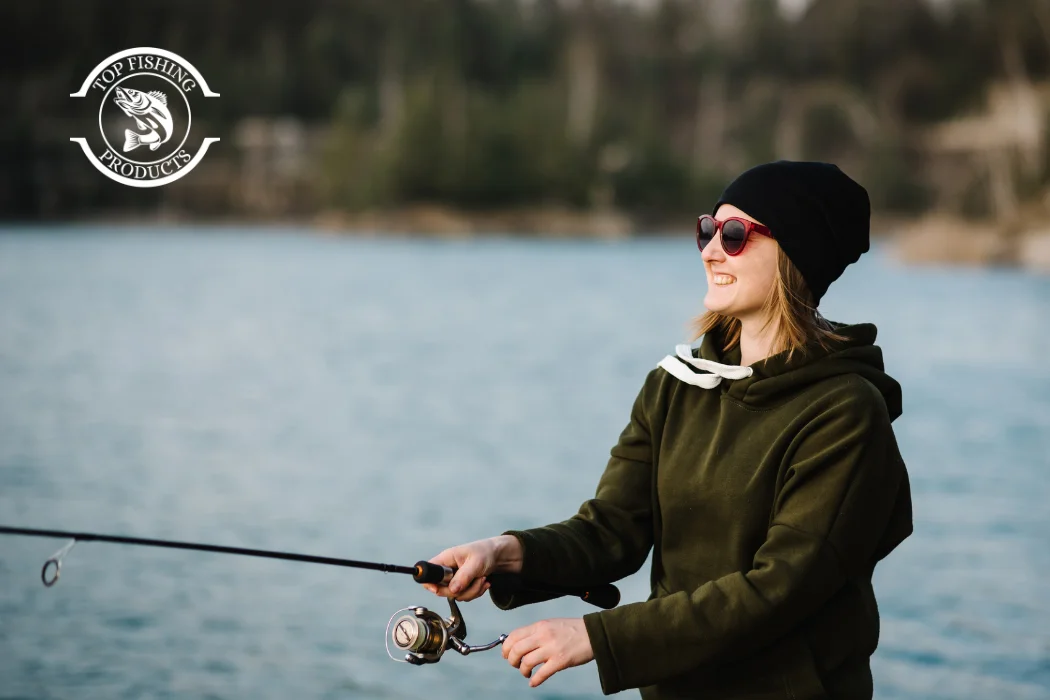
For most beginners, a spinning reel paired with a medium-action rod between 6 and 7 feet long works best. Spinning reels are easier to cast than baitcasting reels because they don’t backlash as easily. Baitcasting reels offer more control and accuracy once you’re experienced, but they have a steep learning curve that frustrates many newcomers.
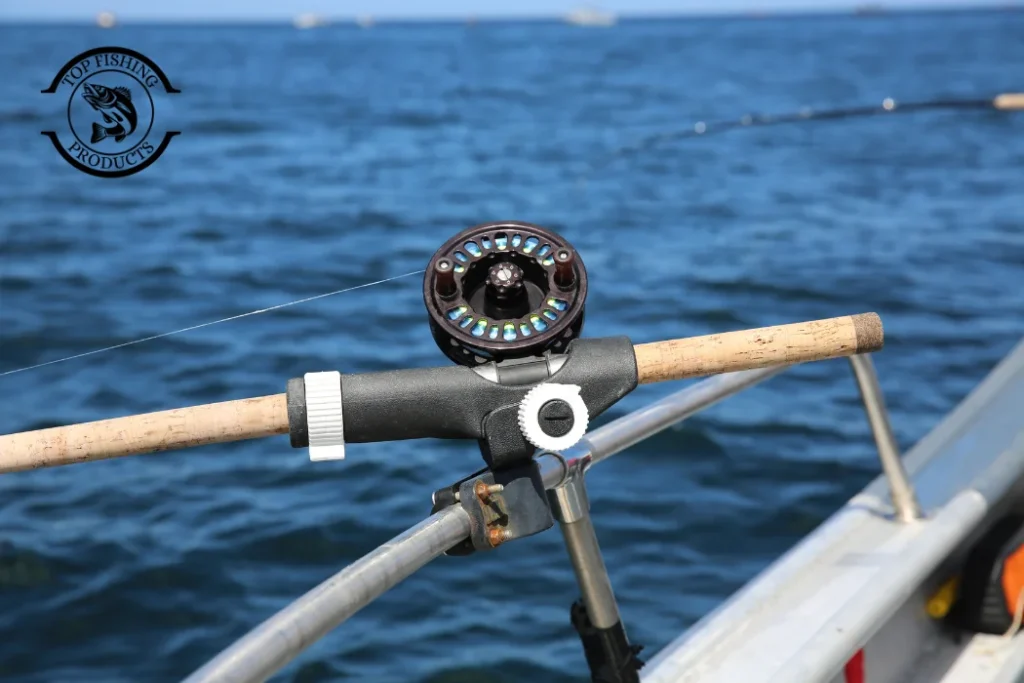
When shopping, look for a combo rather than buying the rod and reel separately. Combos are pre-matched for balance and are usually cheaper. A good beginner combo costs between $40 and $80 and will last for years if cared for properly.
Rod Action and Power Explained Simply
Rod “action” refers to how much the rod bends, while “power” refers to how much weight it can handle. For beginners, medium action and medium power covers the widest range of fishing situations. This combination handles everything from panfish to medium bass without needing to switch gear constantly.
Building Your Fishing Equipment Checklist
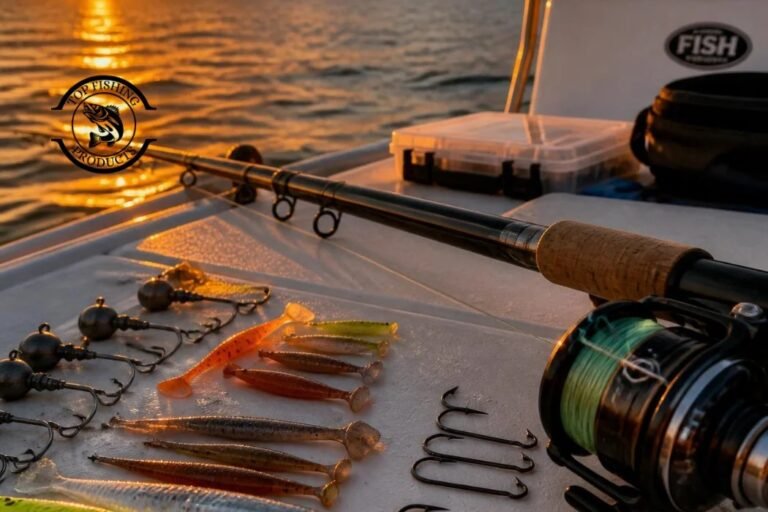
Before heading out, it helps to have a clear fishing equipment checklist so you’re not caught off guard at the water. Here’s what every beginner angler should pack:
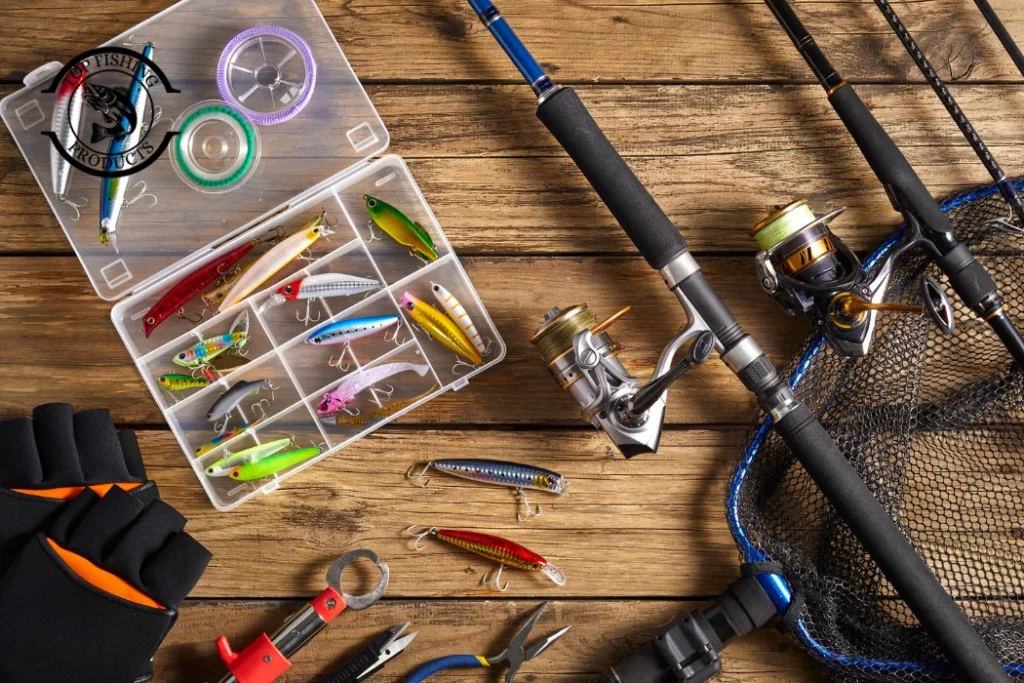
- Spinning rod and reel combo
- 6-10 lb test monofilament or fluorocarbon line
- A small tackle box with hooks, weights, and bobbers
- Pliers or forceps for hook removal
- A few basic lures (more on this below)
- Polarized sunglasses to see beneath the water’s surface
- Sunscreen and a hat
- A fishing licence (required in most states)
- A small first aid kit
This list might seem long, but most of these items fit into a single small bag. In addition, many of these items only need to be purchased once, making the upfront cost manageable over time.
Basic Fishing Techniques Every Beginner Should Learn
Before you can target specific species, you need a foundation in basic fishing techniques. These skills apply across nearly every type of fishing you’ll encounter.
Learning to Cast
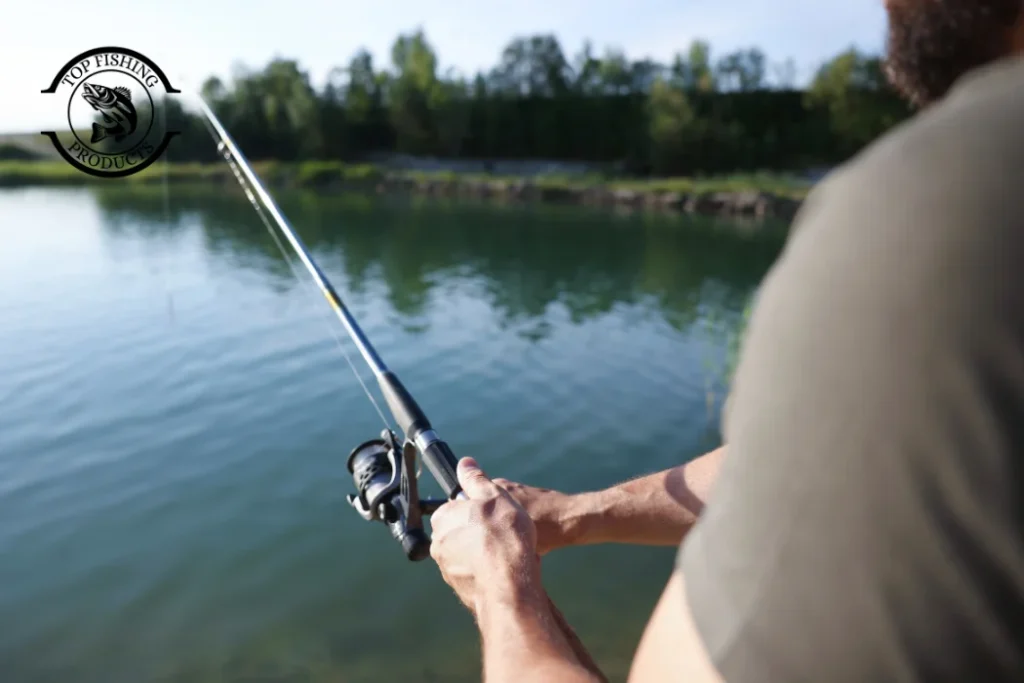
Casting is the skill that intimidates most beginners, yet it’s easier to learn than people expect. Start in an open area, like a backyard or park, before heading to the water. Practice the basic overhead cast: hold the rod with your dominant hand, press the line release button (on a spinning reel), and use a smooth wrist motion to send the lure forward.
Avoid snapping your wrist too hard. Overcasting with force usually causes tangles rather than distance. Instead, focus on rhythm. A smooth, controlled motion will travel farther than a forceful jerky one.
Tying a Basic Knot
The improved clinch knot is the most reliable knot for beginners. It’s strong, simple to tie, and works for most hooks and lures. Practicing this knot at home, even without a rod in hand, builds muscle memory that will save you time and frustration on the water.
Reading the Water
Fish don’t spread evenly throughout a lake or river. They gather near structure, which includes fallen logs, rock piles, weed beds, and drop-offs where the bottom changes depth. Therefore, learning to identify these areas will dramatically increase your catch rate compared to casting randomly into open water.
Shaded areas also attract fish, especially during sunny afternoons when fish retreat from direct light. Similarly, areas where moving water meets calm water often hold fish waiting to ambush prey.
Choosing Bait and Lures for Beginners
New anglers often get overwhelmed by lure walls at tackle shops. However, you only need a handful of options to start catching fish consistently.
| Bait/Lure Type | Best For | Why It Works |
| Live worms | Panfish, bass, catfish | Natural scent and movement attract almost any fish |
| Soft plastic worms | Bass | Mimics natural prey, works in many water conditions |
| Spinner baits | Bass, pike | Flash and vibration trigger reaction strikes |
| Small jigs | Panfish, crappie | Versatile and easy to control at any depth |
| Bobber and bait rig | Beginners targeting any species | Simple, visual bite indication |
Live bait, particularly worms, remains the most beginner-friendly option because it requires little technique. The fish does most of the work by biting naturally. Meanwhile, artificial lures require movement and timing, which take longer to master but offer more control once learned.
Basic Fishing Techniques for Catching Your First Fish
Once your gear is ready, the actual fishing process boils down to a few repeatable steps.
First, find an area with visible structure or movement, such as a dock, weed line, or current break. Next, cast your line near that structure rather than directly into open water. After your lure or bait lands, let it sink for a few seconds before slowly reeling it in. This pause often triggers strikes because fish notice the brief stillness.
If nothing happens after several casts, move to a new spot rather than waiting too long in one place. Fish that aren’t actively feeding in one area usually won’t suddenly appear after fifteen minutes of repeated casting.
Common Mistakes Beginner Anglers Make
Even experienced anglers remember early mistakes that cost them fish. Recognizing these early can save you time and frustration.
Reeling too fast is one of the most frequent errors. Most lures are designed to move slowly through the water, mimicking injured or fleeing prey. Reeling too quickly removes that realistic action, making fish less likely to strike.
Another common issue is setting the hook too hard or too early. When a fish bites, resist the urge to yank immediately. Instead, wait for a steady pull, then lift the rod tip firmly. This timing difference often separates a missed fish from a landed one.
Using the wrong line strength also creates problems. Heavier line might feel more secure, but it’s stiffer and less natural in the water, which can reduce bites. On the other hand, lighter line offers better sensitivity and natural lure movement, though it requires more careful handling to avoid snapping.
Safety Considerations for Women Fishing Alone or in Groups
Safety matters regardless of experience level, but it’s worth addressing directly for anyone new to outdoor activities. Always tell someone your fishing location and expected return time. Wearing a life jacket near deep water or while fishing from a boat isn’t optional, even for confident swimmers.
In addition, carrying a basic first aid kit handles minor injuries like hook pricks or scrapes from rocks. Sun protection matters just as much, since hours spent outdoors without proper coverage lead to sunburn faster than most people expect.
If fishing alone makes you uneasy at first, joining a local fishing group or going with an experienced friend can ease the transition. Many areas also have women’s fishing clubs that organize beginner-friendly outings.
Final Verdict
Learning how to start fishing for ladies comes down to mastering a few fundamentals: choosing the right beginner-friendly gear, understanding basic fishing techniques, and practicing patience on the water. You don’t need expensive equipment or years of experience to enjoy real success. Instead, focus on building one skill at a time, casting, knot-tying, reading water, and reeling technique, and the rest will follow naturally. With the right equipment checklist and a willingness to learn from each trip, your first catch is closer than you think.
Frequently Asked Questions
Do I need a fishing licence to start?
Yes, in nearly every state and country, a fishinglicencee is required for anyone over a certain age, even beginners. Licences are inexpensive and usually available online or at local sporting goods stores.
What’s the easiest fish to catch as a beginner?
Panfish, such as bluegill and crappie, are ideal for beginners. They’re abundant, less picky about bait, and provide quick, confidence-building catches.
How long does it take to get good at fishing?
Basic competence, such as casting accurately and identifying good fishing spots, typically develops within a few outings. However, mastering specific techniques or targeting harder species takes months of practice.
Is fishing expensive to start?
Not necessarily. A beginner combo, basic tackle, and a licence can cost under $100 total, making it one of the more affordable outdoor hobbies available.